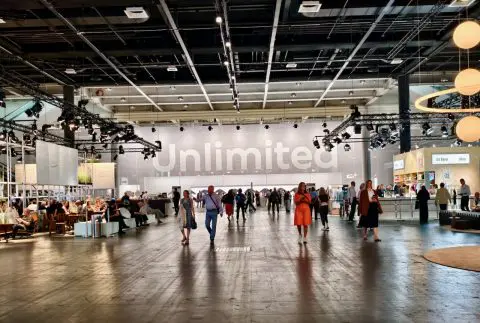
22 June 2026 — The booths are full. The champagne is flowing. The collectors are circling. To a casual observer, Art Basel 2026 looks exactly as it always has: the grandest marketplace in the art world, humming with money and ambition beneath the vaulted halls of Messe Basel. But something is different this year, not on the fair floor, but in the conversation surrounding it.
Weeks before the fair opened, the art community was shaken by a startling announcement from one of its most influential figures. Marc Glimcher, head of Pace Gallery, declared that his gallery’s operating model had run its course and was, in his words, “beyond repair.” The irony is almost symbolic, given that Pace Gallery was a pioneer of the “mega-gallery” model—a strategy defined by cultivating a global network of exhibition spaces, maintaining an extensive roster of artists, and constantly expanding into new markets. Its eight-story Chelsea headquarters, renovated in 2019 at a reported cost of $100 million, became a symbol of the era’s ambitions. Now the man who built it is saying it went too far. The cuts affected approximately 50 artists and estates dropped from a roster of roughly 135, reducing it to around 85; and 50 staff members laid off from a team of 250. A gallery that once seemed to aspire to infinite scale is deliberately making itself smaller. In the same breath, Pace unveiled a new partnership with Di Donna Galleries and the art market specialist David Schrader, focusing on the secondary market rather than developing living artists. In uncertain times, secondary is more reliably profitable and less capital-intensive: no studio visits, no production budgets, no long bets on artists who may or may not find their audience. It is, in essence, a bet on what the market has already validated.
Glimcher’s father, Arne Glimcher, who founded Pace more than six decades ago, put it more bluntly when speaking to The New York Times: “I think this whole mega-gallery thing is ridiculous and also unsupportable. I always thought that.” The elder Glimcher’s remark cuts to the heart of the matter. The mega-gallery model, which was pioneered over the past two decades by Pace, Gagosian, David Zwirner, Hauser & Wirth and a handful of others, was built on a seductive logic: more locations, more artists, more market presence, more profit. It probably made sense when new markets were opening in Asia and the Gulf with the collector bases expanding. However, the primary art market has been soft for several years. The post-pandemic speculative burst, fueled in part by the brief NFT frenzy, has given way to a prolonged correction. According to the Art Basel and UBS Global Art Market Report released earlier this year, sales returned to growth of just four percent after two consecutive years of decline — a modest rebound that does little to justify the infrastructure costs the mega-galleries accumulated in more exuberant times.
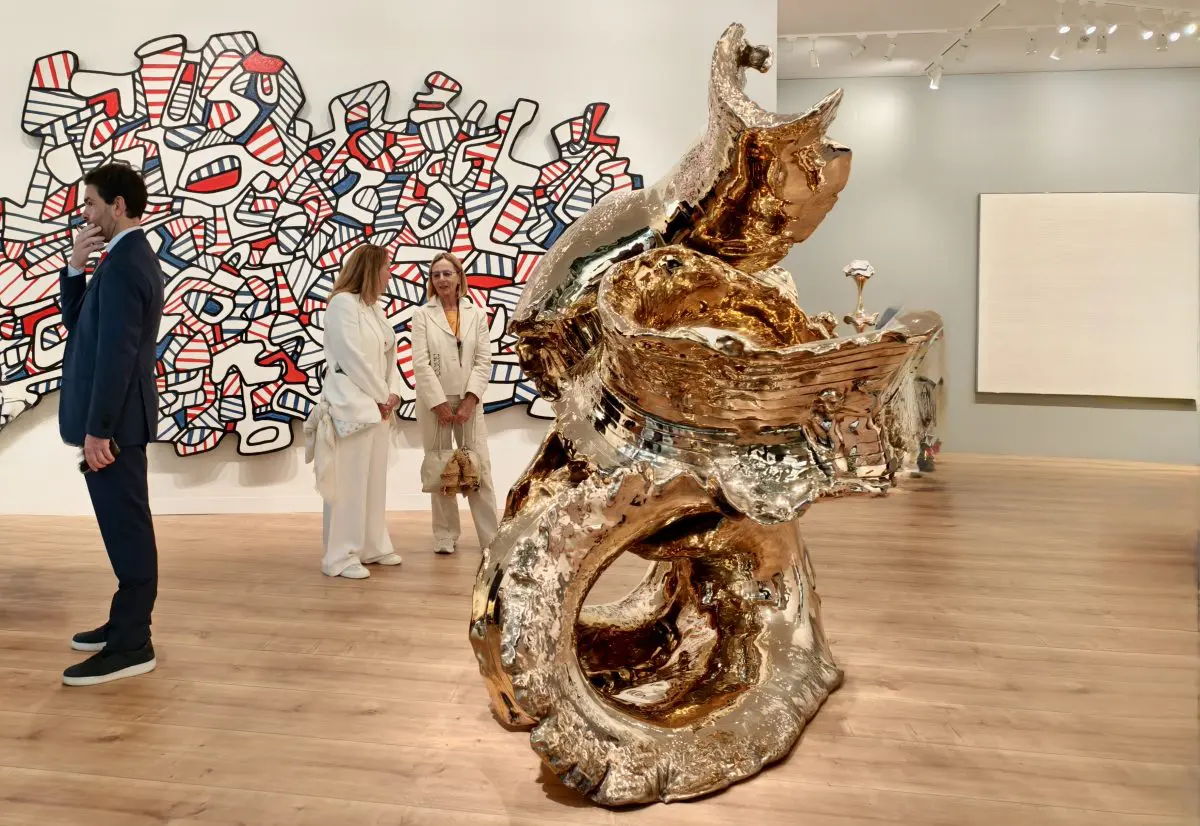
The fair’s management did not stand idly by: stand prices were frozen, a flexible pricing system was introduced, and progressive discounts were increased for exhibitors participating for the first or second time. Noah Horowitz, the fair’s executive director, stated that the organization takes this pressure “very seriously.” Nevertheless, Art Basel aims to preserve the tradition of the physical fair while also ensuring its own survival. Consequently, a new initiative called BASEL EXCLUSIVE was introduced this year. It offers a more personal experience of the art on view at the location, when participating exhibitors of the main section hold back a curated selection of pieces, keeping them out of all previews, online viewing, and pre-sale initiatives. These works only debuted on June 16, when Art Basel opened to VIPs. Collectors, overall, were more measured than in recent years. The fair’s own presentation reflected that mood. Where last year Katharina Grosse’s sprawling spray-paint installation dominated the entrance plaza, this year modest change was made to a fountain in front of the main hall, work by the Iranian-Armenian sculptor Nairy Baghramian.
On the Floor
The established names held their ground, as they always do at Basel. No fair would be complete without Alexander Calder mobiles, Andy Warhol, or works by Ai Weiwei and Ólafur Elíasson, but also Picasso, Rothko or Baselitz. At Neugerriemschneider from Berlin, an elephant sculpture Isa Genzken assembled from trash in 2006 brought a genuinely anarchic energy.
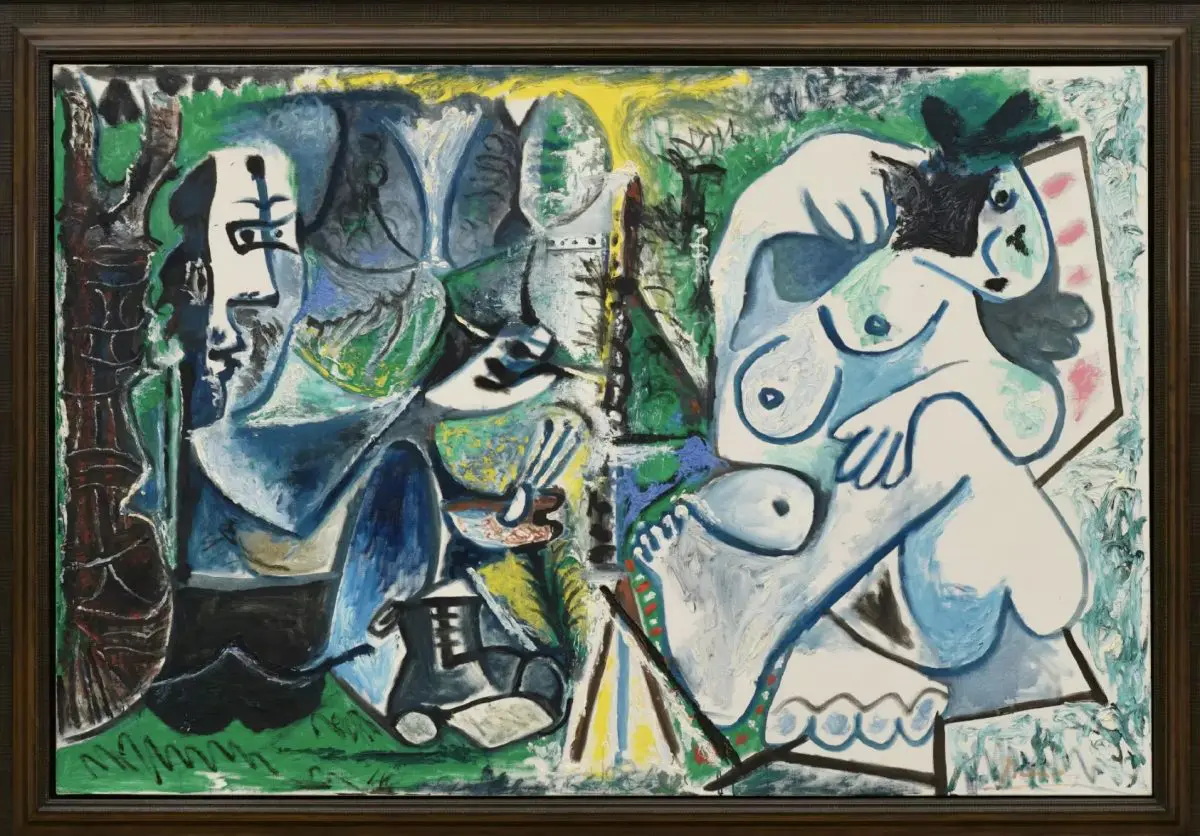
On day one, a collector walked out of Hauser & Wirth having paid $35 million for Picasso’s Le peintre et son modèle dans un paysage, 1963 within the fair’s opening hours. Picasso was 81 when he painted it, taking his lifelong subject ‘painter and model’ out of the studio into plain air. The gallery also sold Gerhard Richter’s Abstraktes Bild (940-7)(2015) built up in layers with his signature squeegee, each pass both adding and destroying, for $20 million; two Cy Twombly works on paper for $5 million and $2.5 million, and a Louise Bourgeois for $2.5 million. By 4pm they reported 35 works sold, calling it their strongest opening day on record.
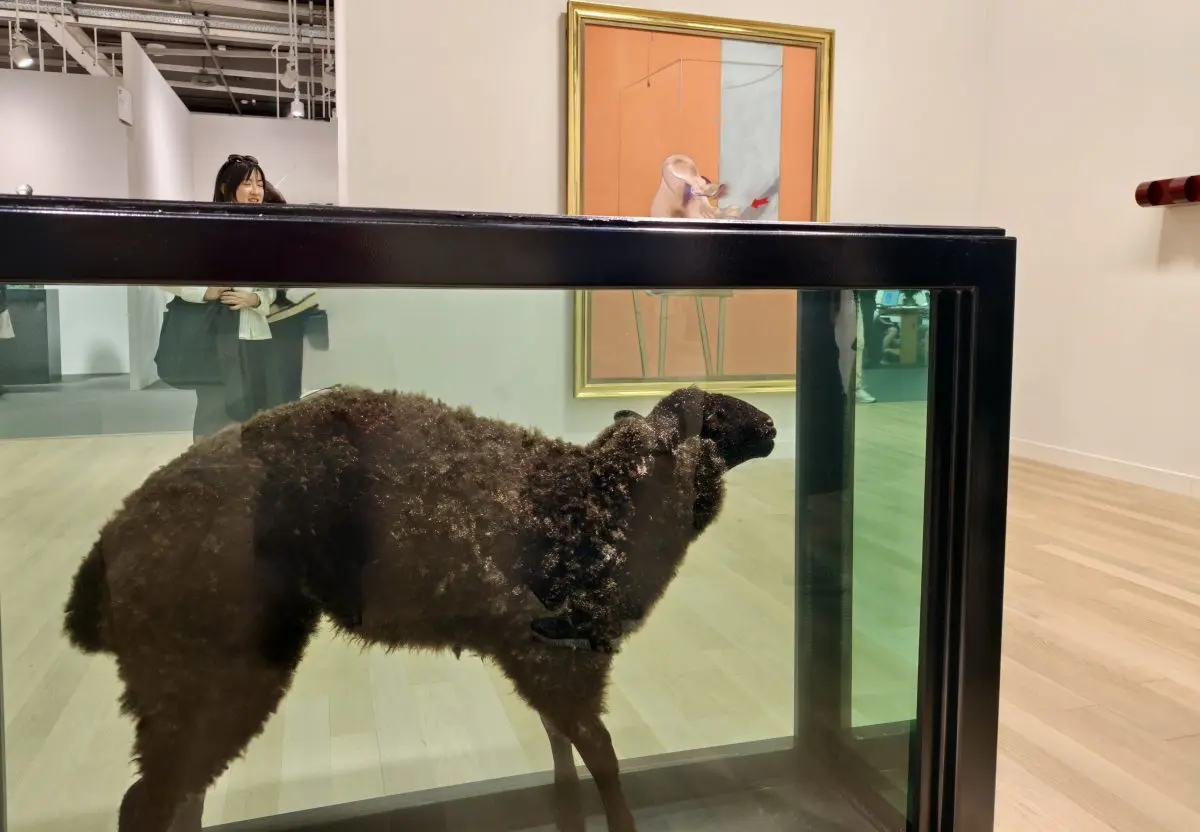
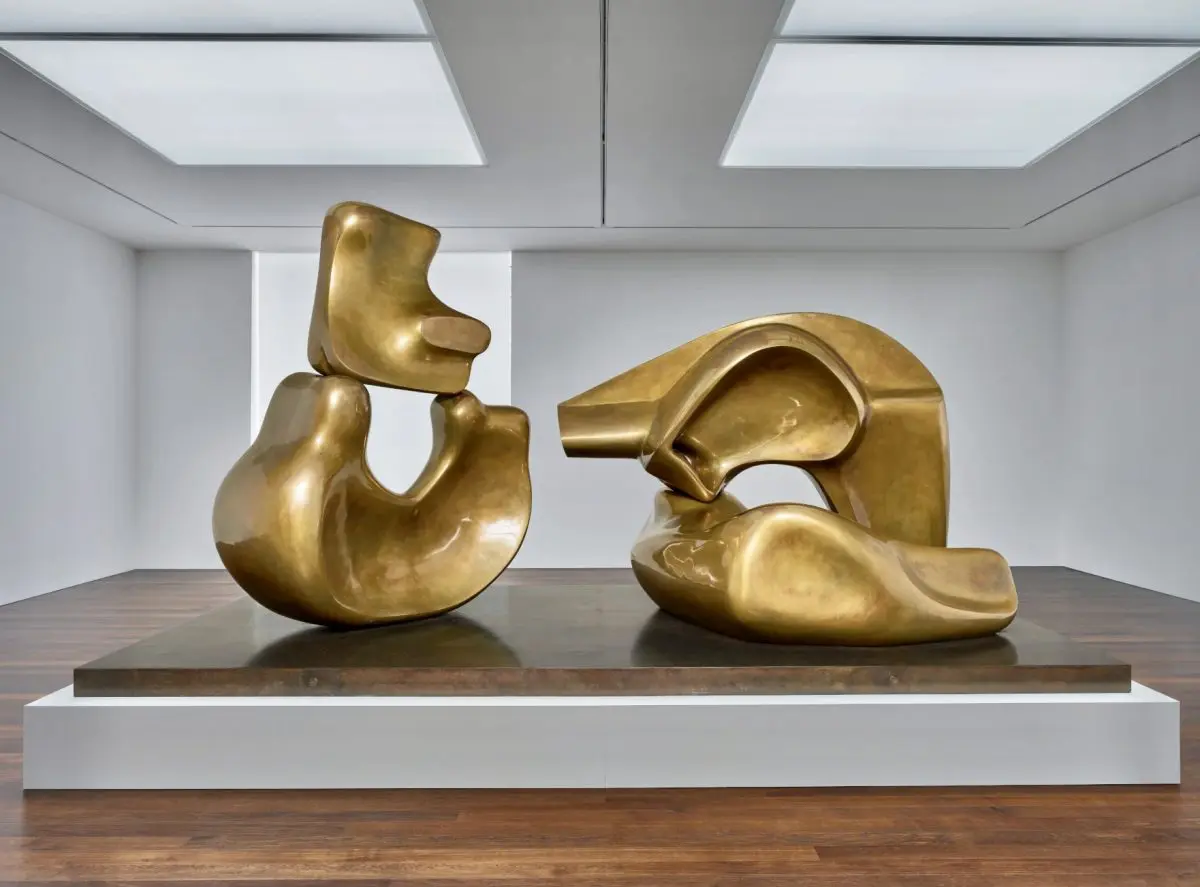
The Gagosian booth brought to Basel a collection worth a museum exhibition: Moore’s Large Four Piece Reclining Figure, four meters of polished bronze, Damien’s Hirst’s Black Sheep, an animal suspended in formaldehyde. Its 1984 Willem de Kooning oil was sold to an Asian private collection for a high seven-figure sum within the first hour.
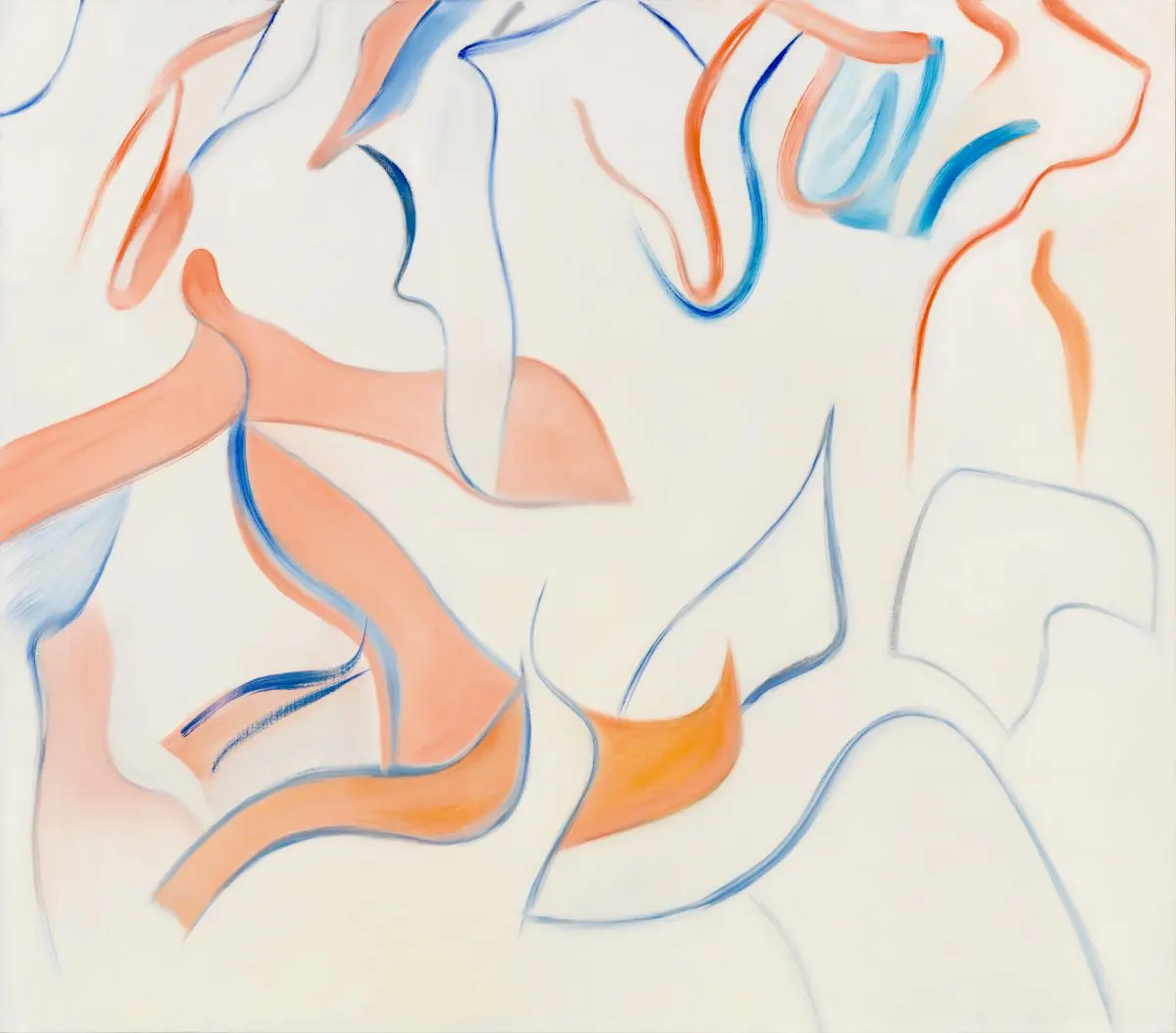
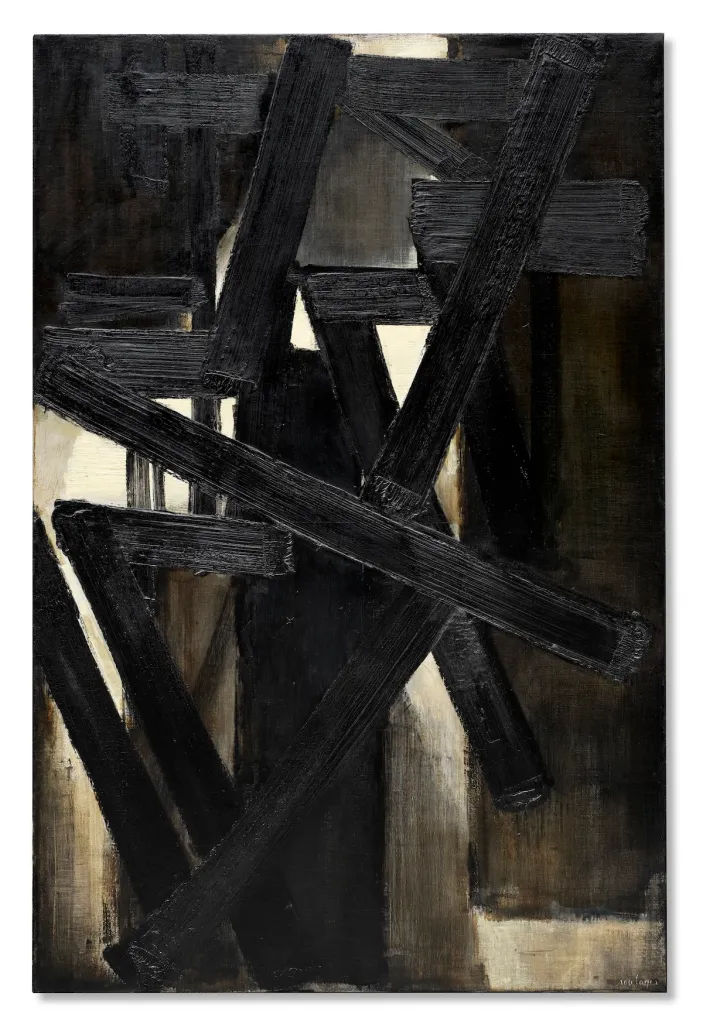
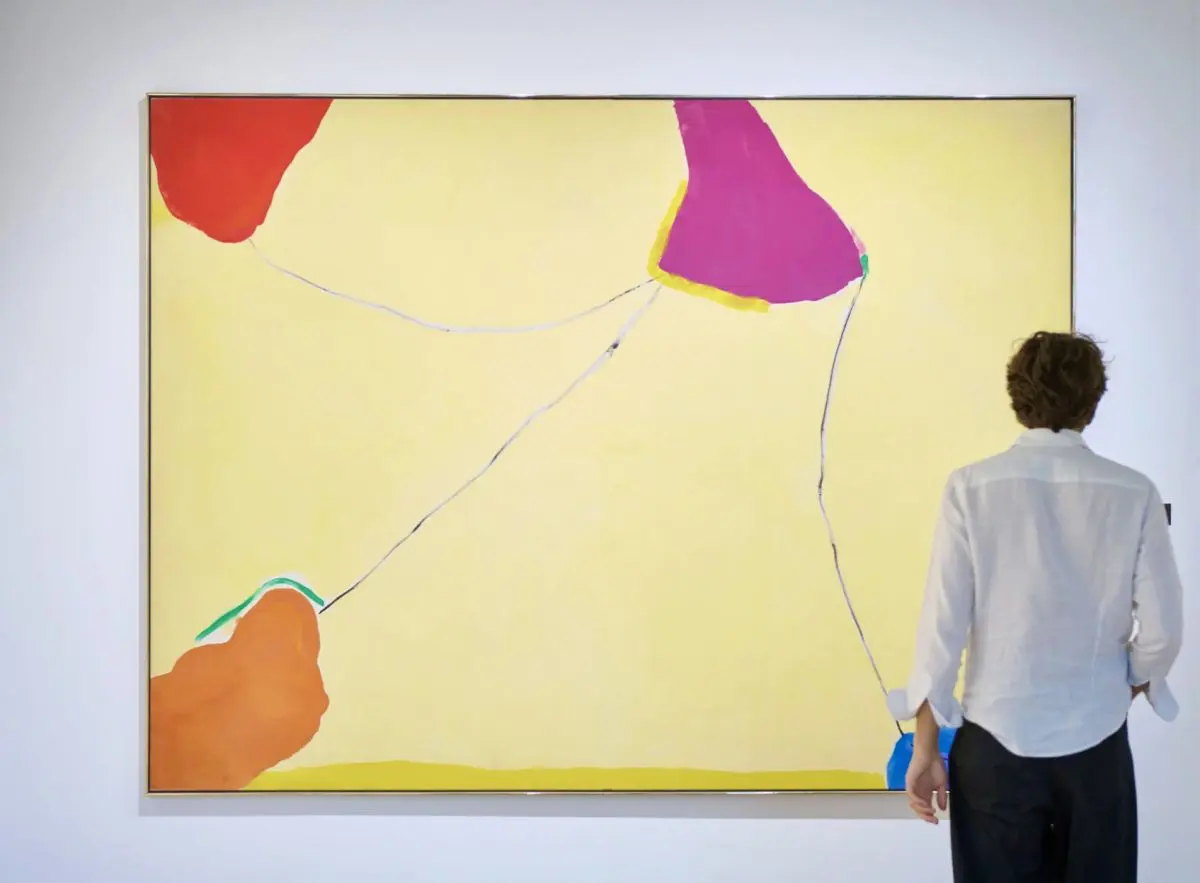
Against the backdrop of a Helen Frankenthaler retrospective running at the Kunstmuseum Basel a few blocks away, Thaddaeus Ropac sold her Sudden Wave (1982) for around $3 million. The same price was paid for Soulages, the French painter who spent decades working exclusively in black. He died in 2022 at 102, long undervalued against the art world’s fixation on New York – a gap his prices are only now beginning to close.
Almine Rech fetched between $6 and $6.5 million for a Picasso. At Zwirner, an Elizabeth Peyton went for $1.2 million on day two.
Yares Art sold a Frankenthaler, Gliding Figure (1961), for $2 million
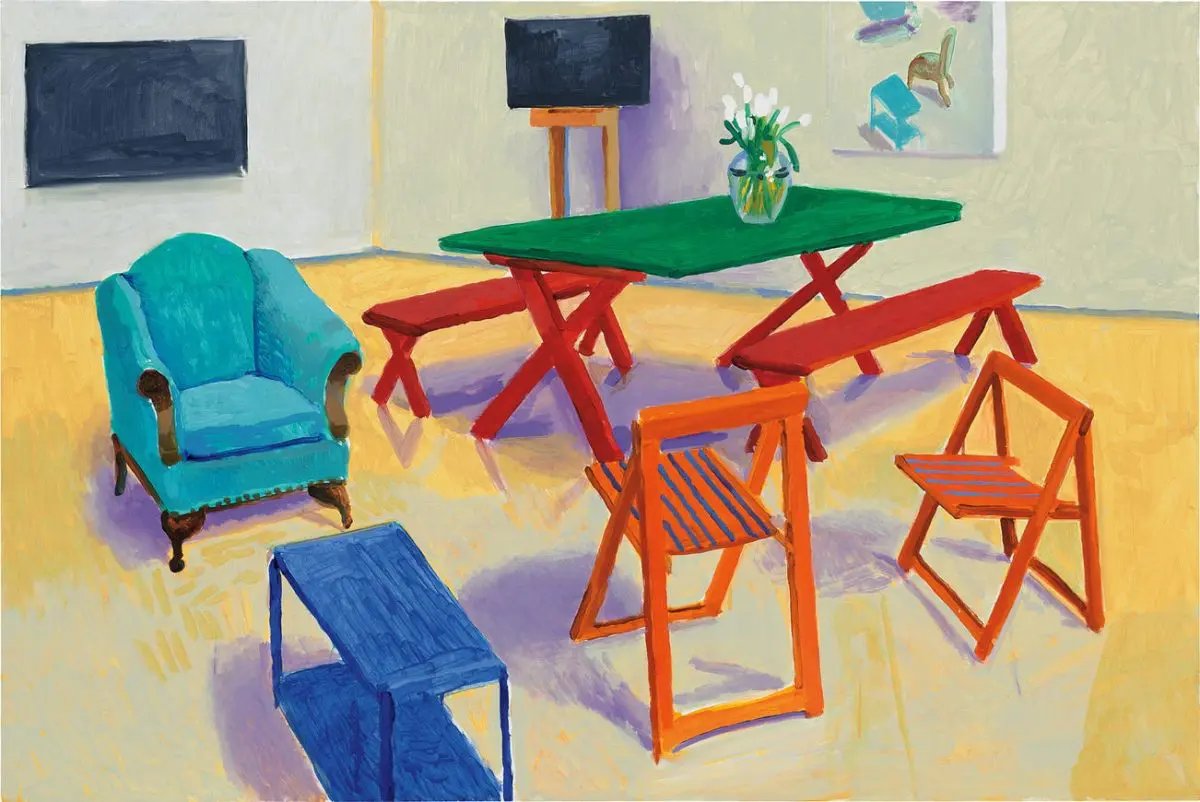
Gray Gallery sold two David Hockney pieces: a 2014 studio interior for $8.5 million and The Arrival of Spring in Woldgate, East Yorkshire in 2011-31 May, No. 1 for $650,000. Another Hockney was sold by Galerie Lelong for around €1 million.
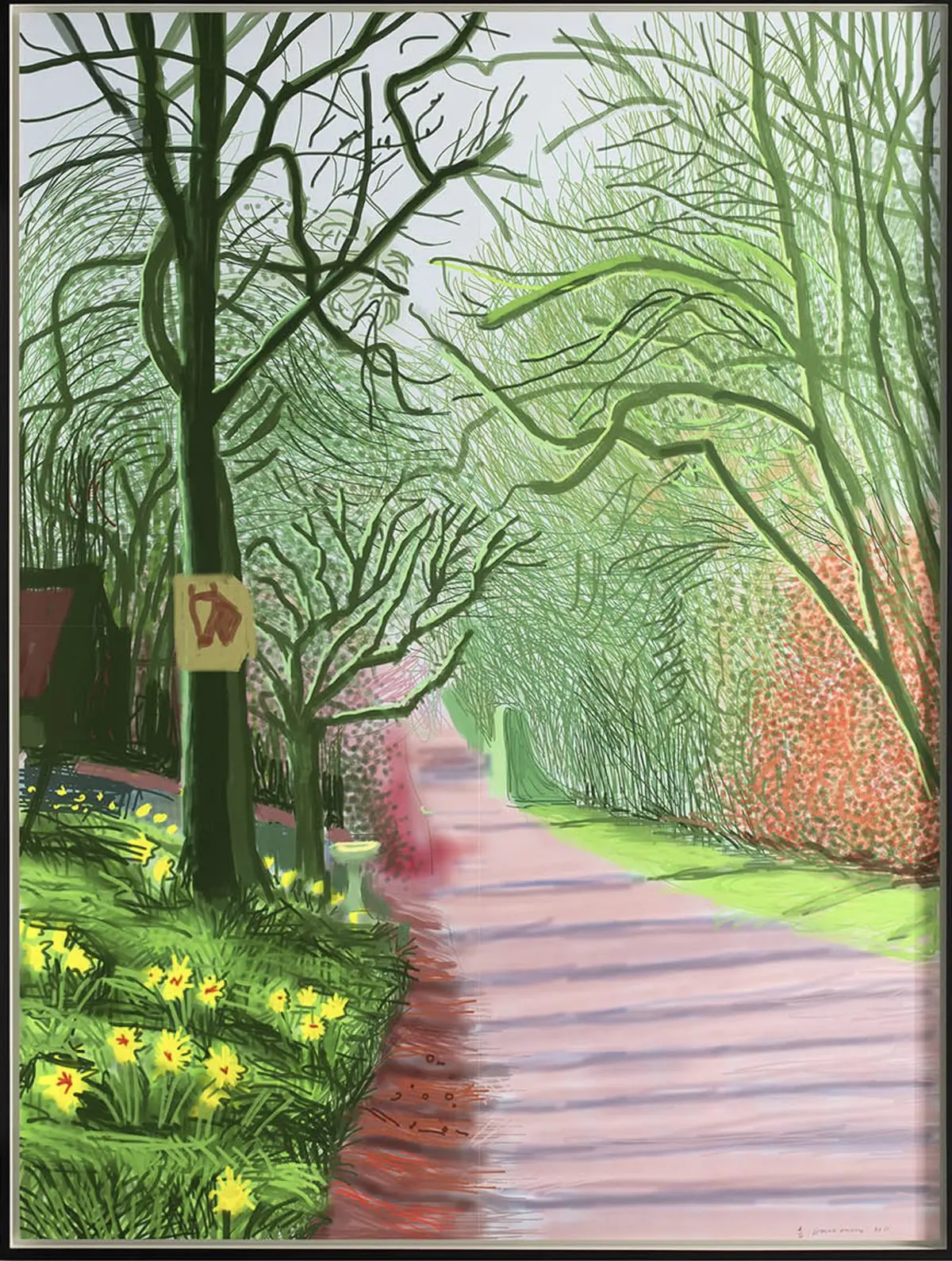

Hockney died at 88 on June 11, 2026, just days before Art Basel opened, who held an auction record of $90.3 million at Christie’s in 2018 for Portrait of an Artist (Pool with Two Figures), making him briefly the most expensive living artist. His typical paintings traded in the £1–5 million range. The Basel sales landed on the higher end that seemed like the timing gave them a different weight.
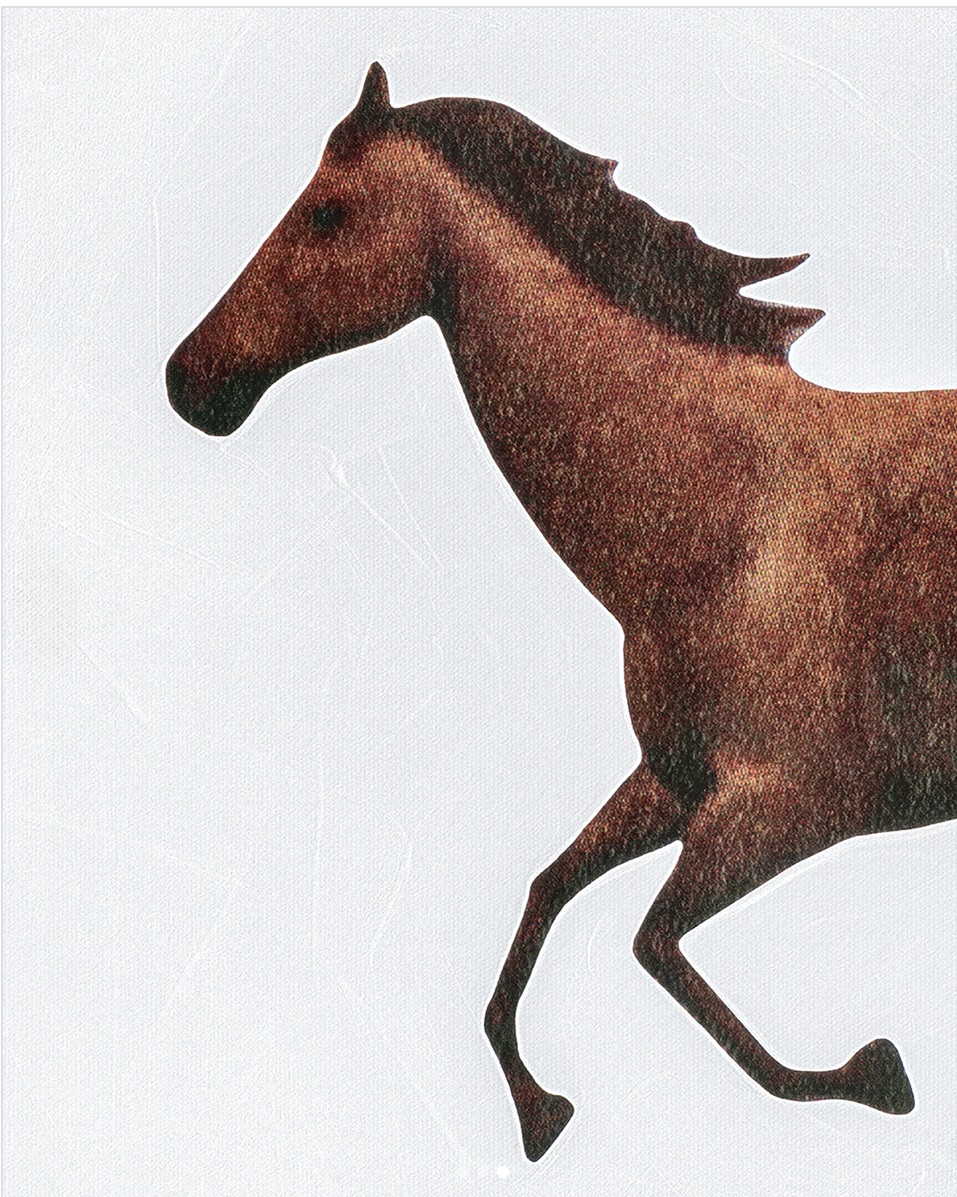
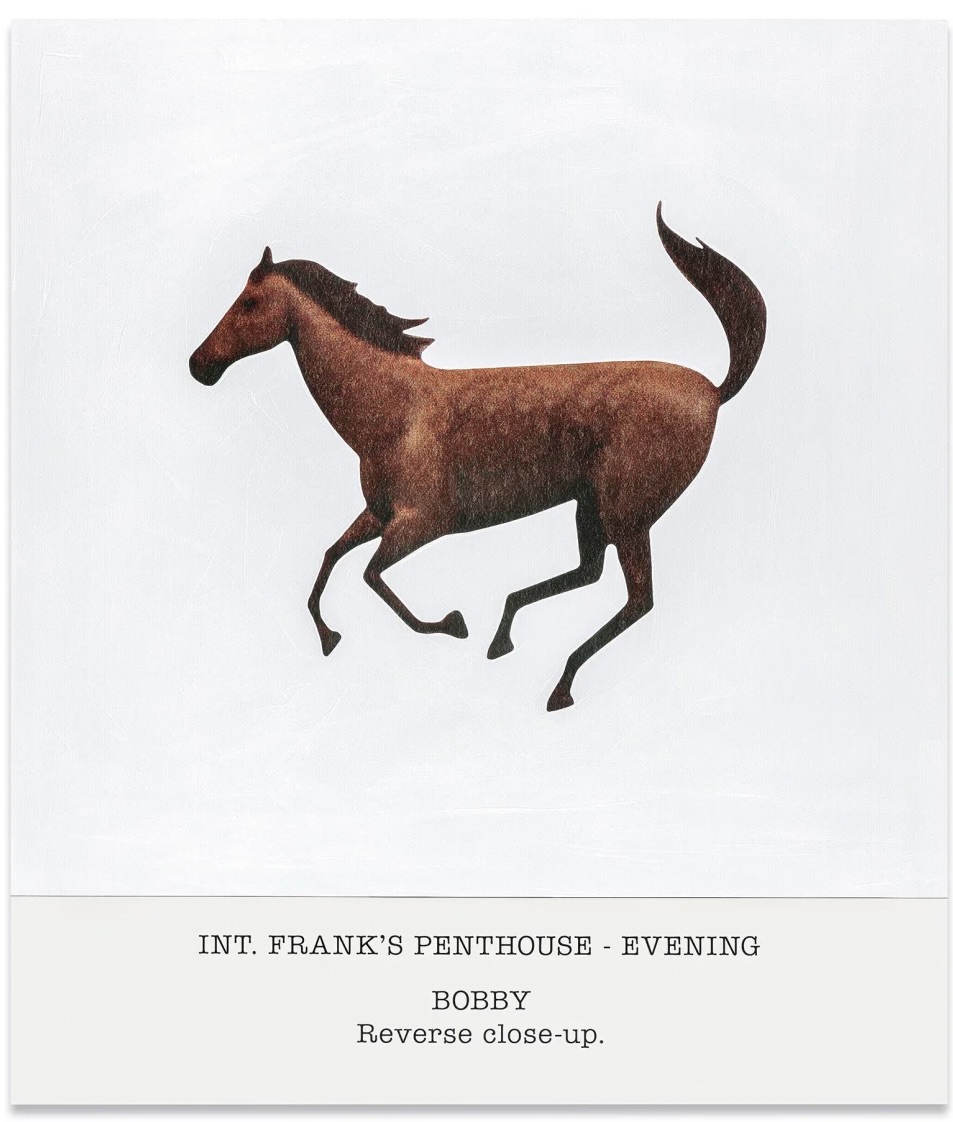
American artist John Baldessari spent his career making fun of the art world’s absurdity, the gap between what something is and what it costs. He was allowed, as someone not raised in the times of social media, where those things became life essentials with no smile but full seriousness. Sprüth Magers brought to Basel a work from his Emoji Series: Int. Frank’s Penthouse – Evening Bobby Reverse close-up., which went for half a million dollars. Older generations still read it as an art fair joke — the way they read last year’s Labubu, a $245 fair shop figurine that appeared on resale sites hours later for $1,733. The difference is Baldessari knew it was funny.
At Acquavella, visitors slowed in front of Portrait of a Hound: the last canvas Lucian Freud ever touched, left unfinished in 2011, a nude of his assistant David Dawson and his dog Eli. At White Cube, Georg Baselitz’s gold-sheened Irgendwo in Italien hung behind Theaster Gates’ Protected Vessel. The effect, intended or not, was of a painting displayed behind a black urn.
White Cube also sold Lynne Drexler’s Untitled (1960) for $2.5 million and Doris Salcedo’s Untitled (2008) for $1.35 million. Drexler lived as a recluse on an island in Maine and rarely exhibited her work. She passed away in 1994 with little recognition during her lifetime, one of the most remarkable rediscoveries in postwar American art. The situation with Salcedo is different. The Colombian artist, known notably for her installation Shibboleth (2007) at London’s Tate Modern, has works held in the collections of the Guggenheim, MoMa, and the Tate. Given the scale of her career and the fact that her work is primarily acquired by institutions, the $1.35 million at Basel feels like a footnote.
Kino & Kunst
Cinema, art, and culture, since 2012.