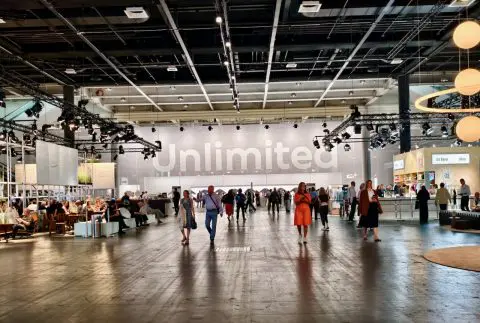
20 June 2026 — There is a certain logic to avoidance. Paris Photo and Photo London are enormous, and scale works against smaller galleries: you book a booth and find yourself next to two hundred competitors, which tends to flatten distinctions that took years to build. Photo Basel has one advantage the other boutique fairs don’t: it runs during Art Basel week. The major collectors are already in town, and some of them, circling the edges of a fair they know well, wander in. The photography buyer they weren’t yet becomes one. This year, the Unseen fair adopted a similar structural approach, relocating from Amsterdam and joining forces with Art Rotterdam, though it retains a more localized European character.
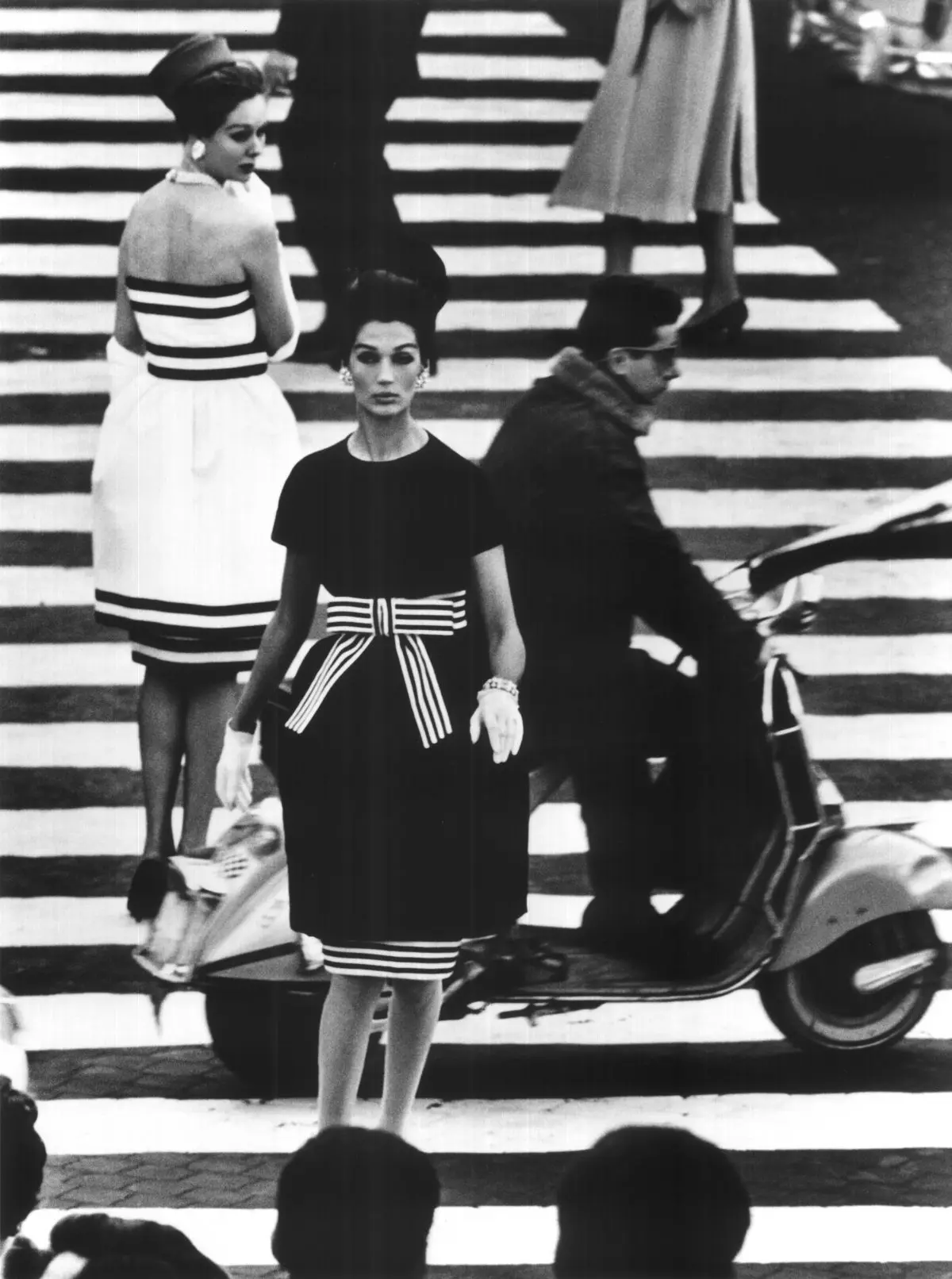
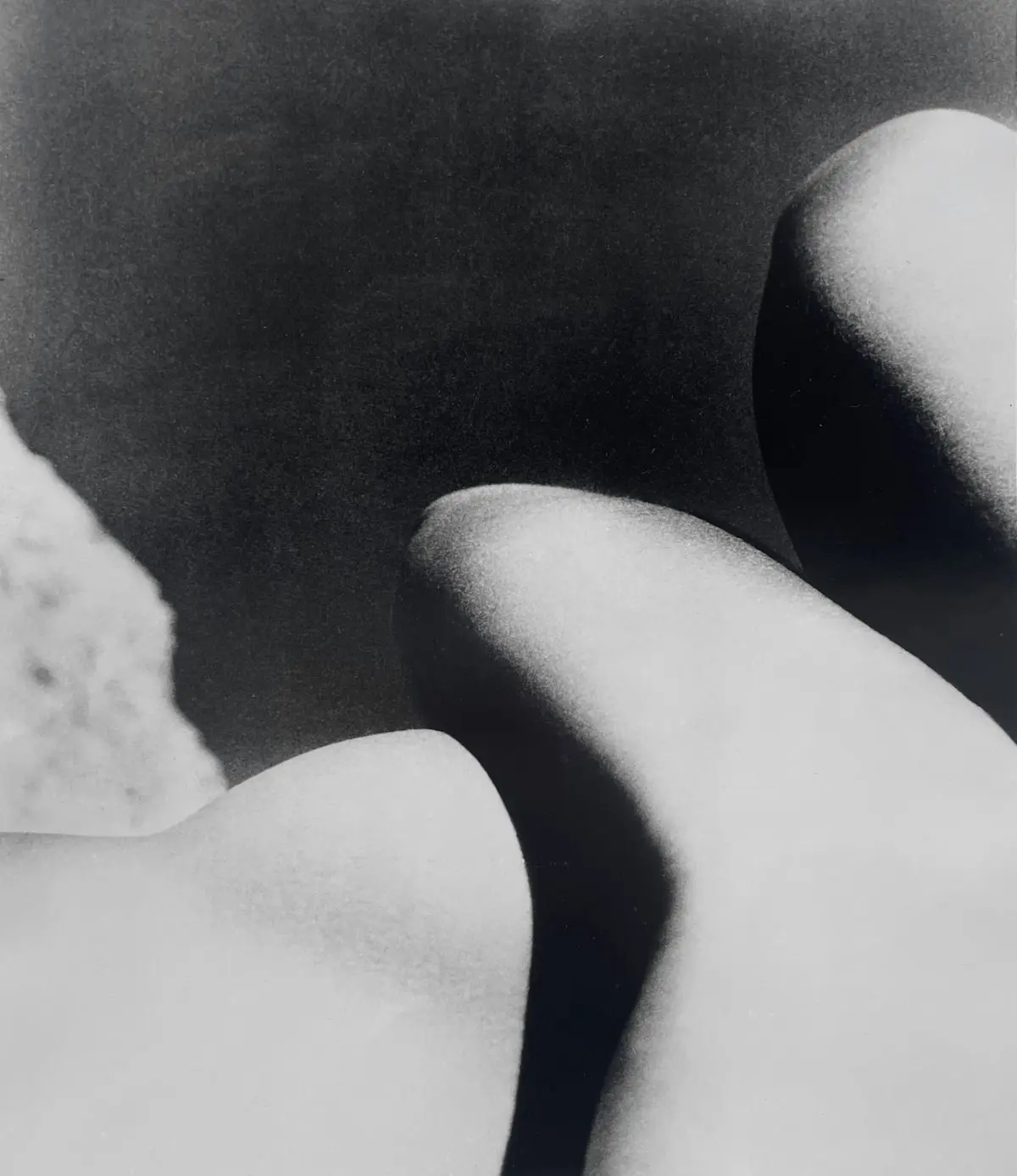
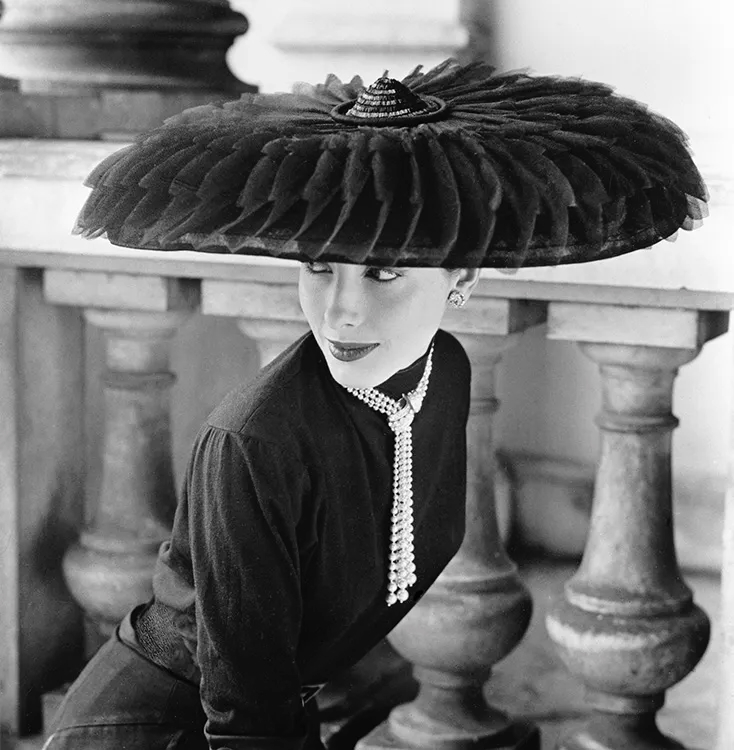
This year Photo Basel’s program runs from blue-chip collectible work, documentary, and black-and-white classics through more experimental practice, which the fair designates Novum. A separate section, Beyond Photography, recognizes artists who combine photographic practice with other media, be it painting, sculpture, or installation. Atlas Gallery from London and Ira Stehmann from Munich, both founded in the early to mid-1990s, brought to Basel classics like William Klein and Peter Lindbergh.
The Female Gaze
A distinctive feature of the fair this year is its extended focus on female voices. A feminist platform in the Swiss art world, Galerie Glaab from Bern focuses on rewriting art history by representing only women artists, going back to 1700. In Basel it showed Xiao Hui Wang, an internationally acclaimed Chinese-German interdisciplinary artist and photographer, whose work is broadly collected internationally for example held by Swiss collectors like Uli Sigg, a former ambassador to China. In her series Microscopic Sensuality (The Eros of Flowers) she uses macro lenses to move inside the calyxes, pistils, and unfolding petals, lighting the inner structures of the plants so that they closely resemble glowing human flesh, soft skin folds, and erotic body architecture, blurring the line between botany and human intimacy.
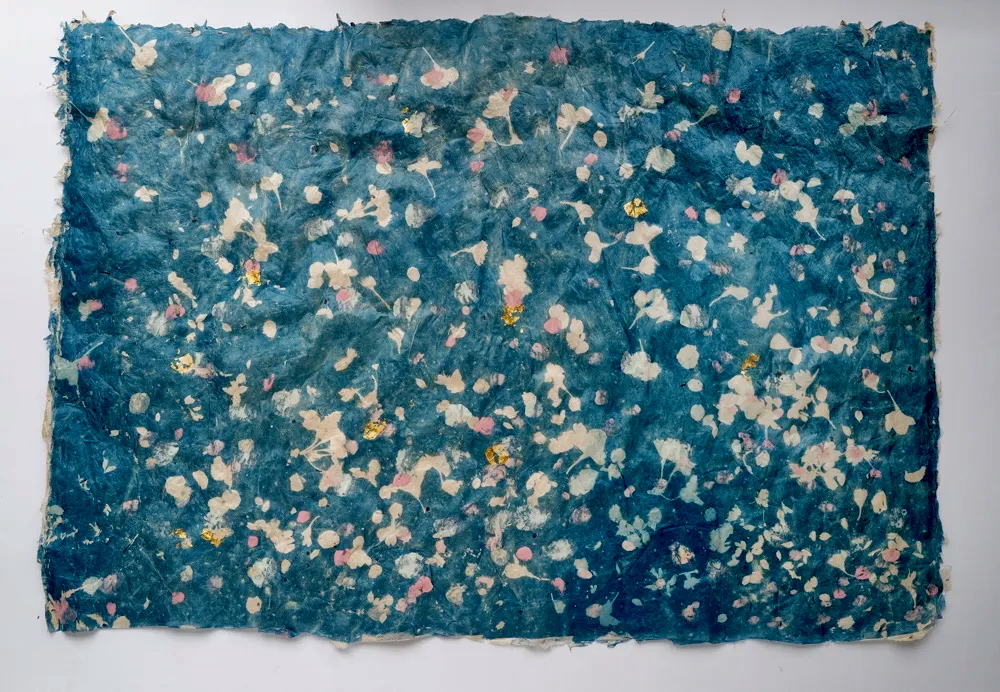
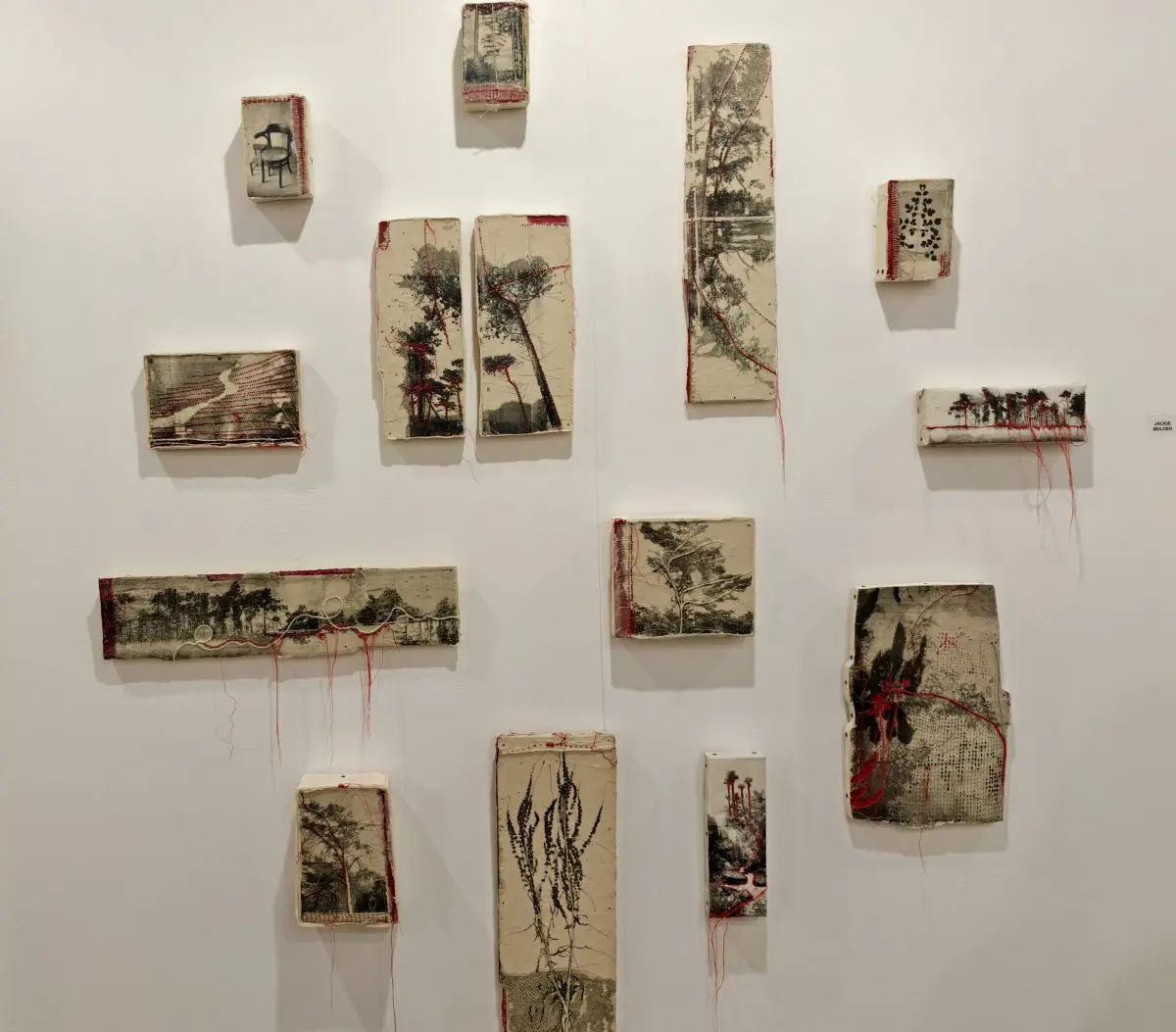
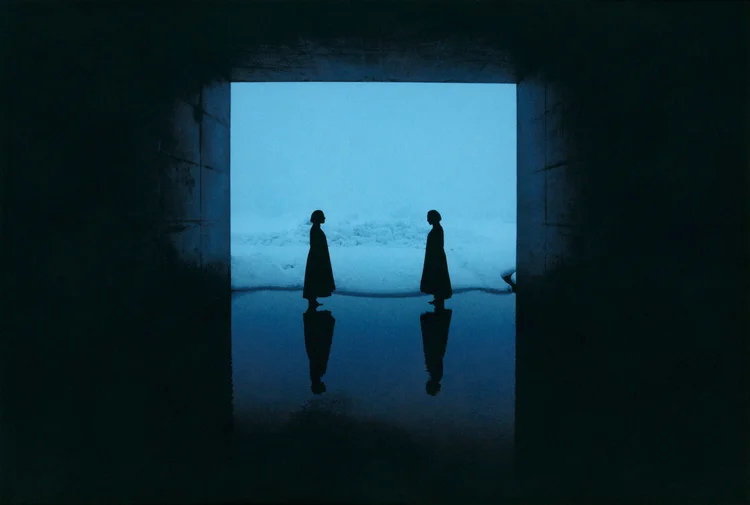
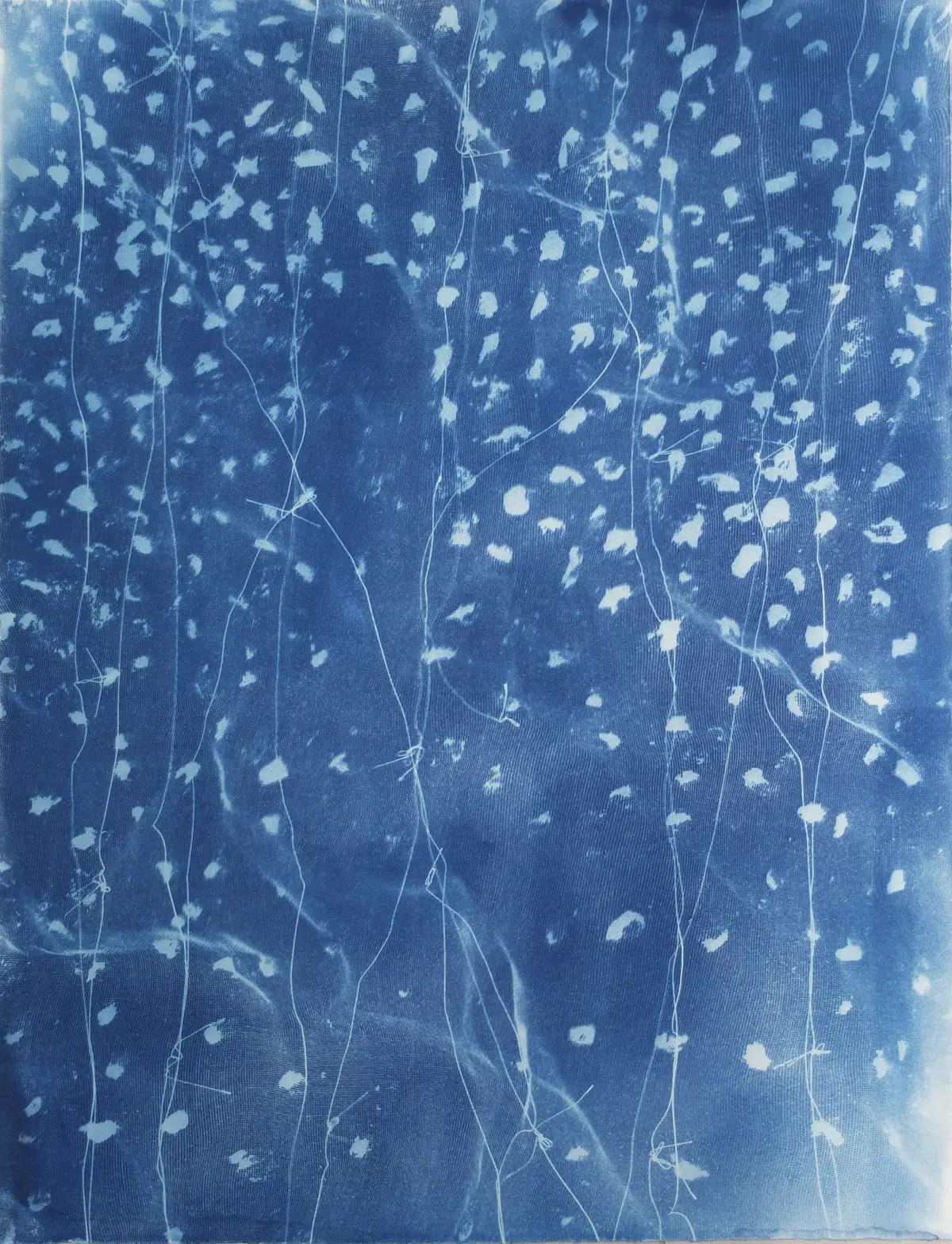
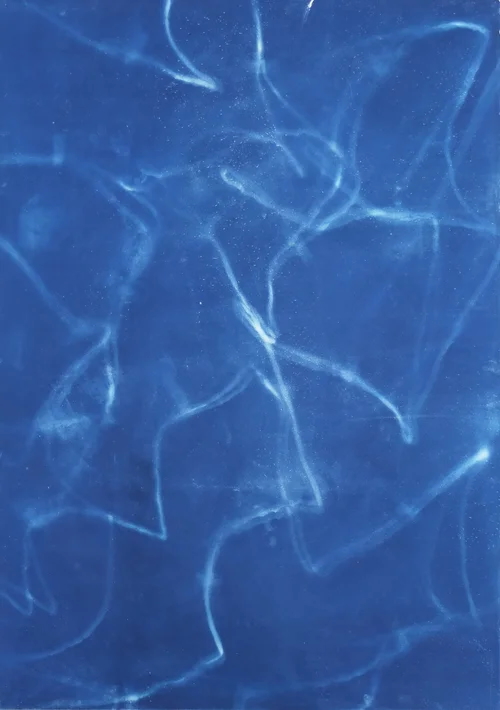
Ibasho does not present itself as a gallery of female voices, yet its program has become one. Dedicated to Japanese fine art photography, the gallery showed Mika Horie, who works in the mountains of Ishikawa, makes her own washi paper from scratch using gampi fibers she harvests herself, and prints her images with the nineteenth-century cyanotype process. Miho Kajioka works in a Wabi-Sabi register of imperfection, impermanence, and minimalism, capturing fleeting everyday moments and toning her darkroom gelatin silver prints with tea and chemicals, while her colleague Sayuri Ichida explores self-identity in minimalist close-up portraits. In 2024 Ibasho opened a second space, IN-DEPENDANCE, for Western photography — perhaps the reason the Dutch multimedia artist Jackie Mulder is present here too, though with a deeply Japanese subject.
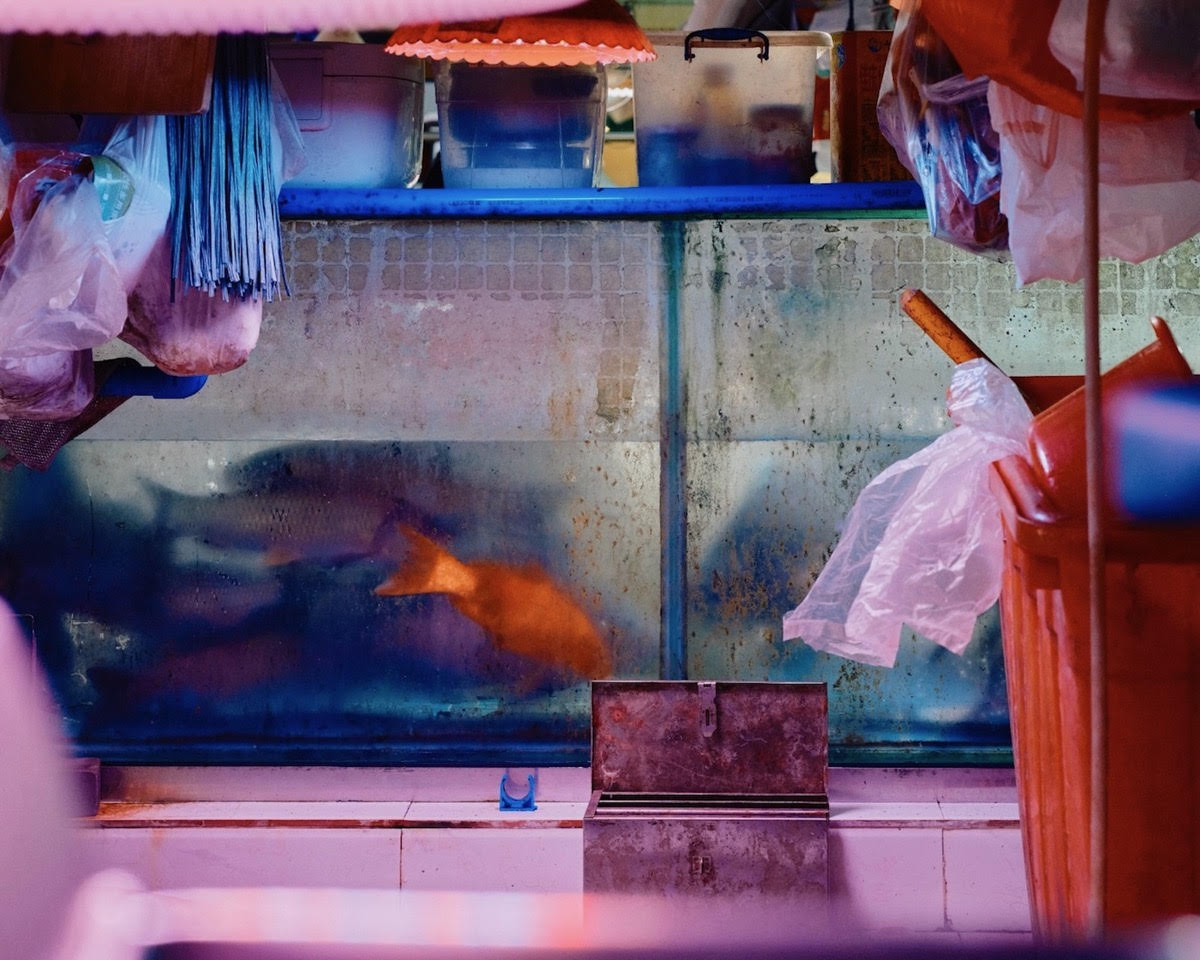
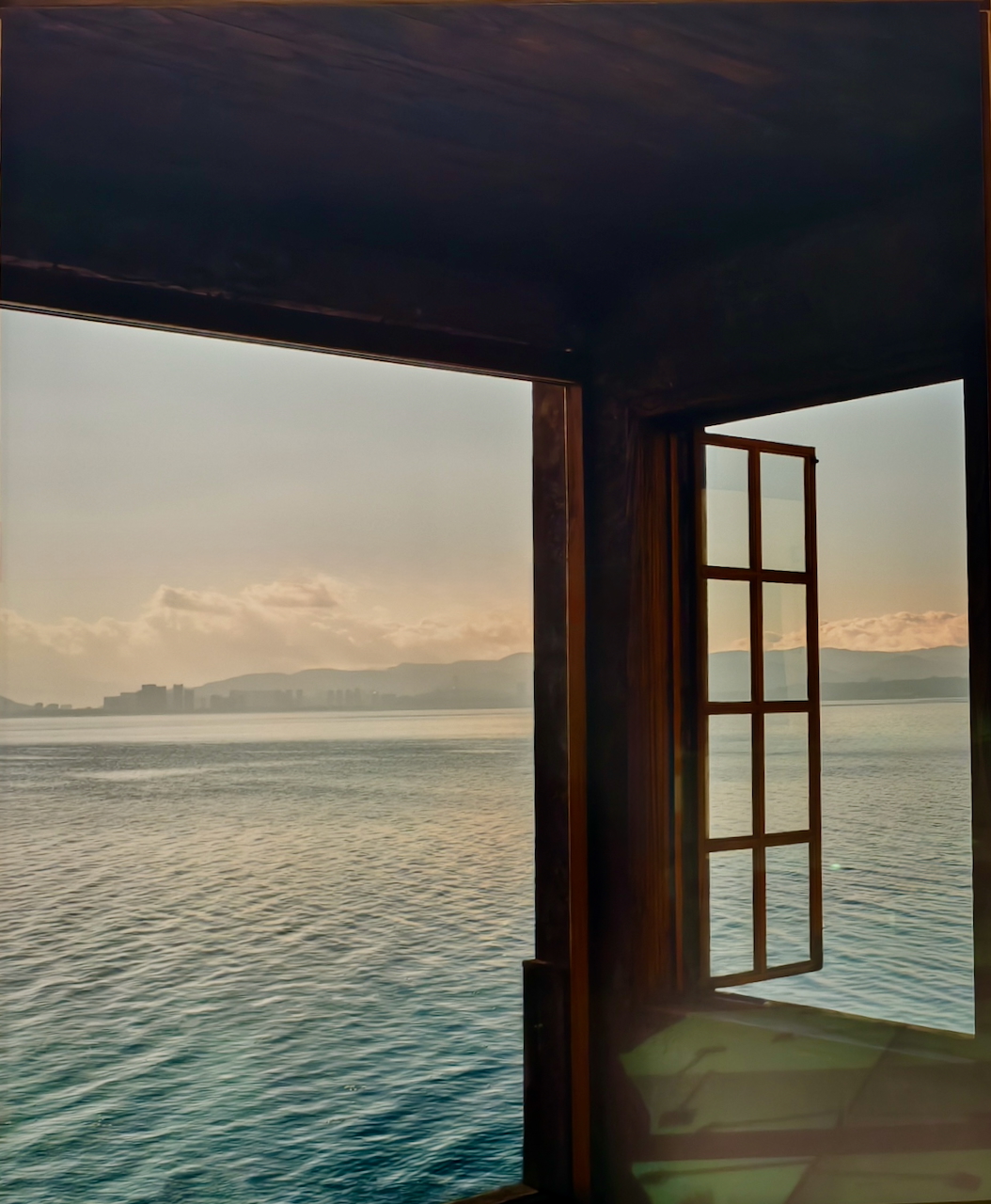
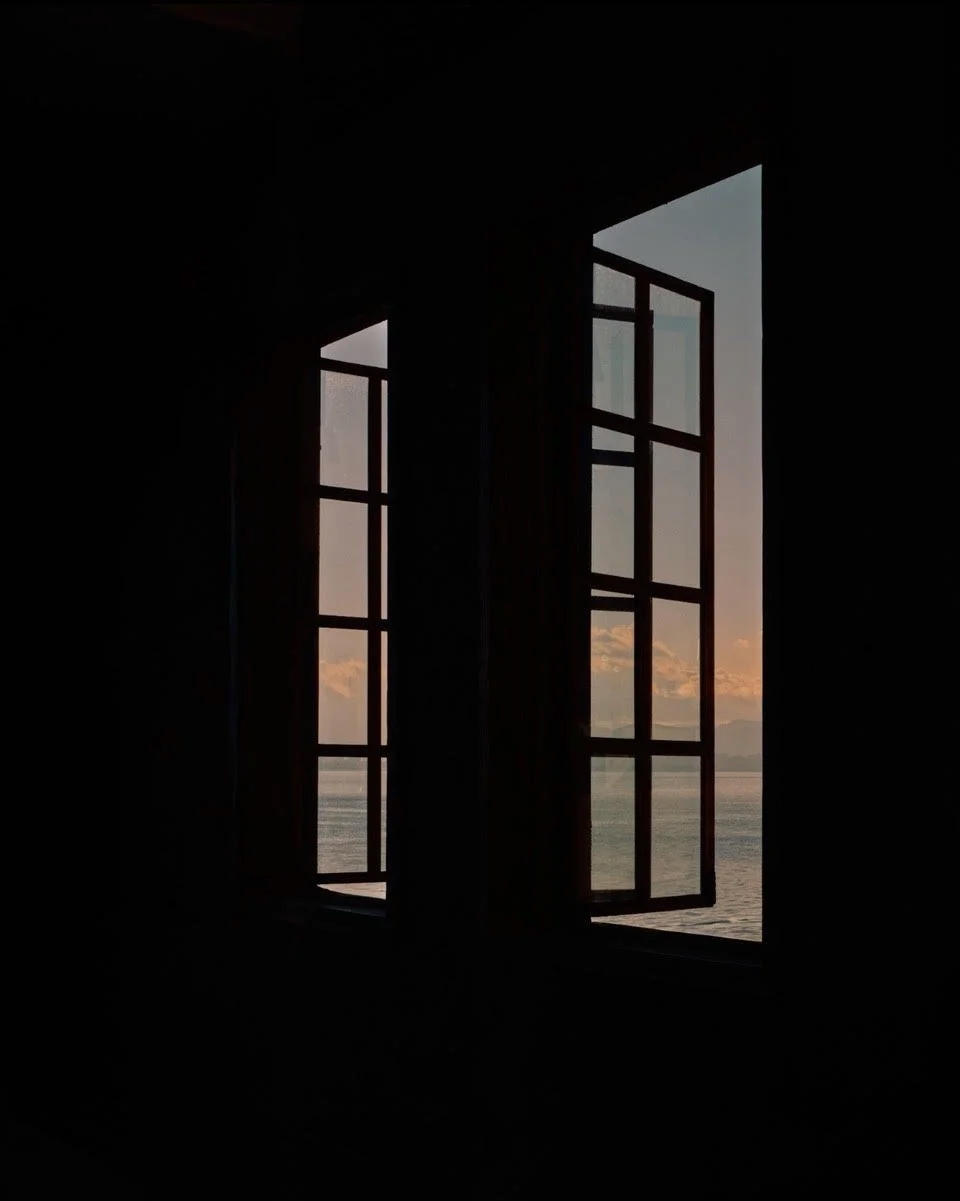
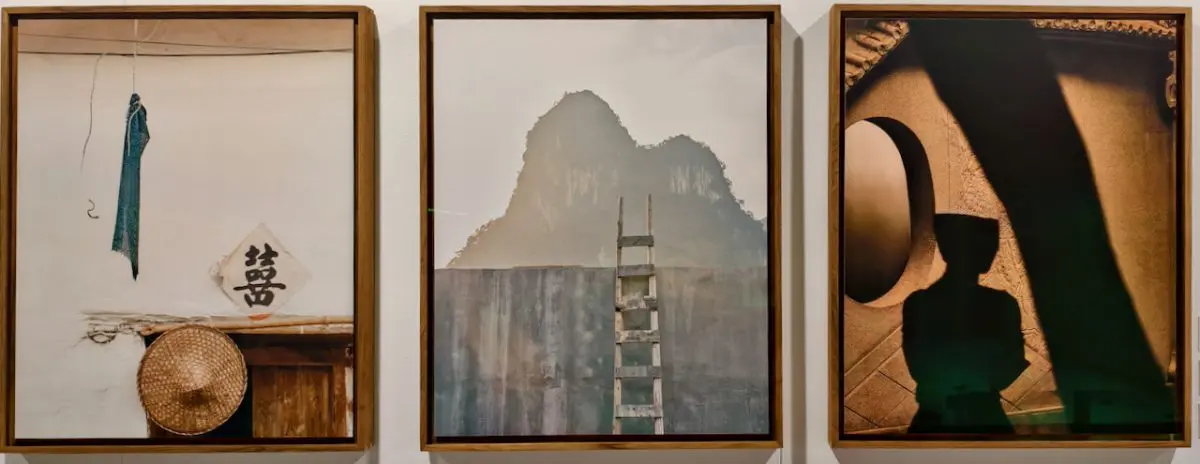
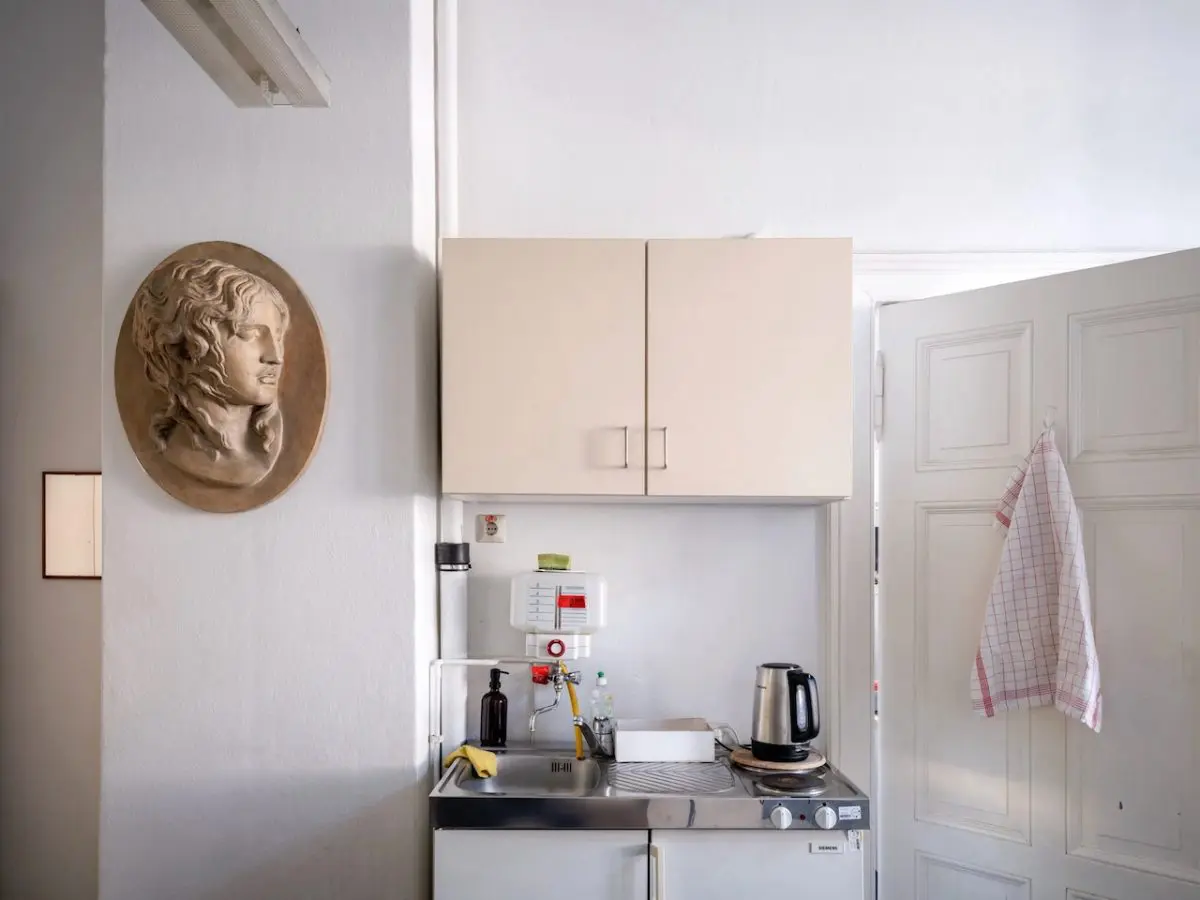
Mick Nieuwenhuis, the founder of Gallery Newhouse, brought Lotte Ekkel, whose images look highly worked but in fact she does not manipulate them digitally. Instead, Ekkel works in natural light, transforming ordinary objects into abstract space. She especially favors “in-between” places like doorways, staircases, windows, empty thresholds where time feels momentarily suspended. Galerie Catherine et André Hug from Paris is known for showing Susan Meiselas, Mona Kuhn, and Kourtney Roy. This time they had Chicago-born, Los Angeles-based Susan Burnstine on show. Her images are instantly recognizable: dark, ethereal, heavily textured, capturing cityscapes and landscapes as if they were fading memories. She works entirely in analog, with no digital post-processing, and even builds her own plastic and rubber film cameras out of vintage parts, where her single-element lenses are prone to light leaks and unpredictable blur.
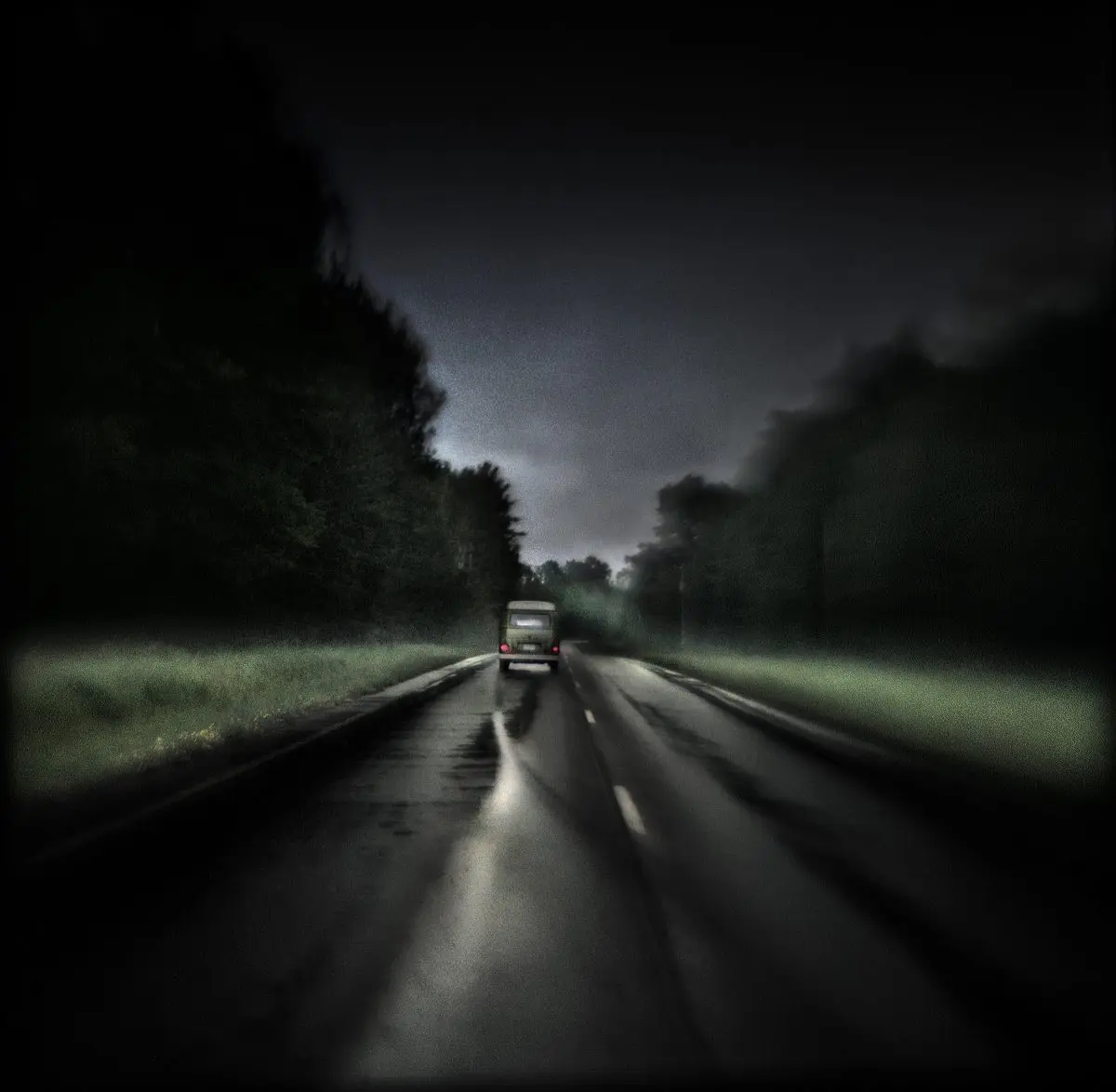
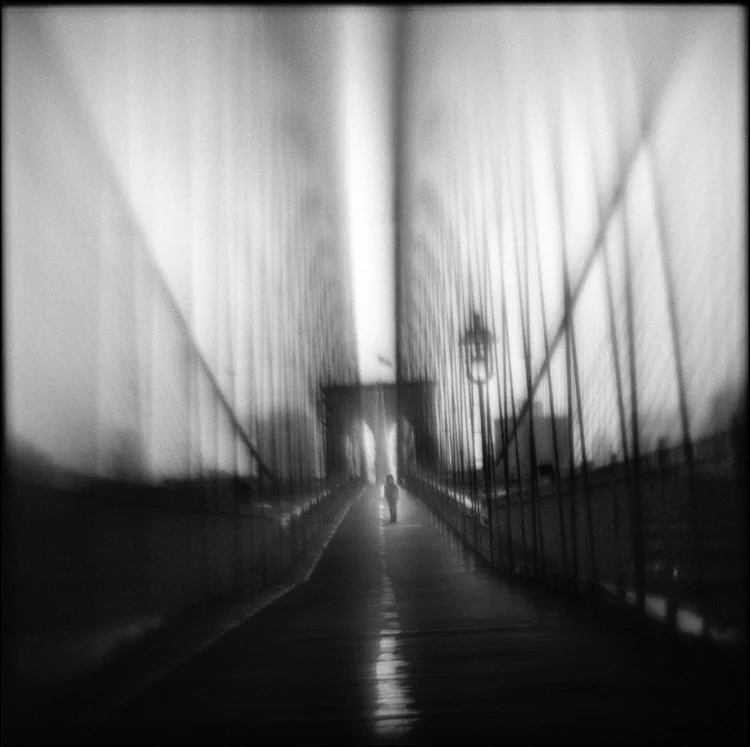
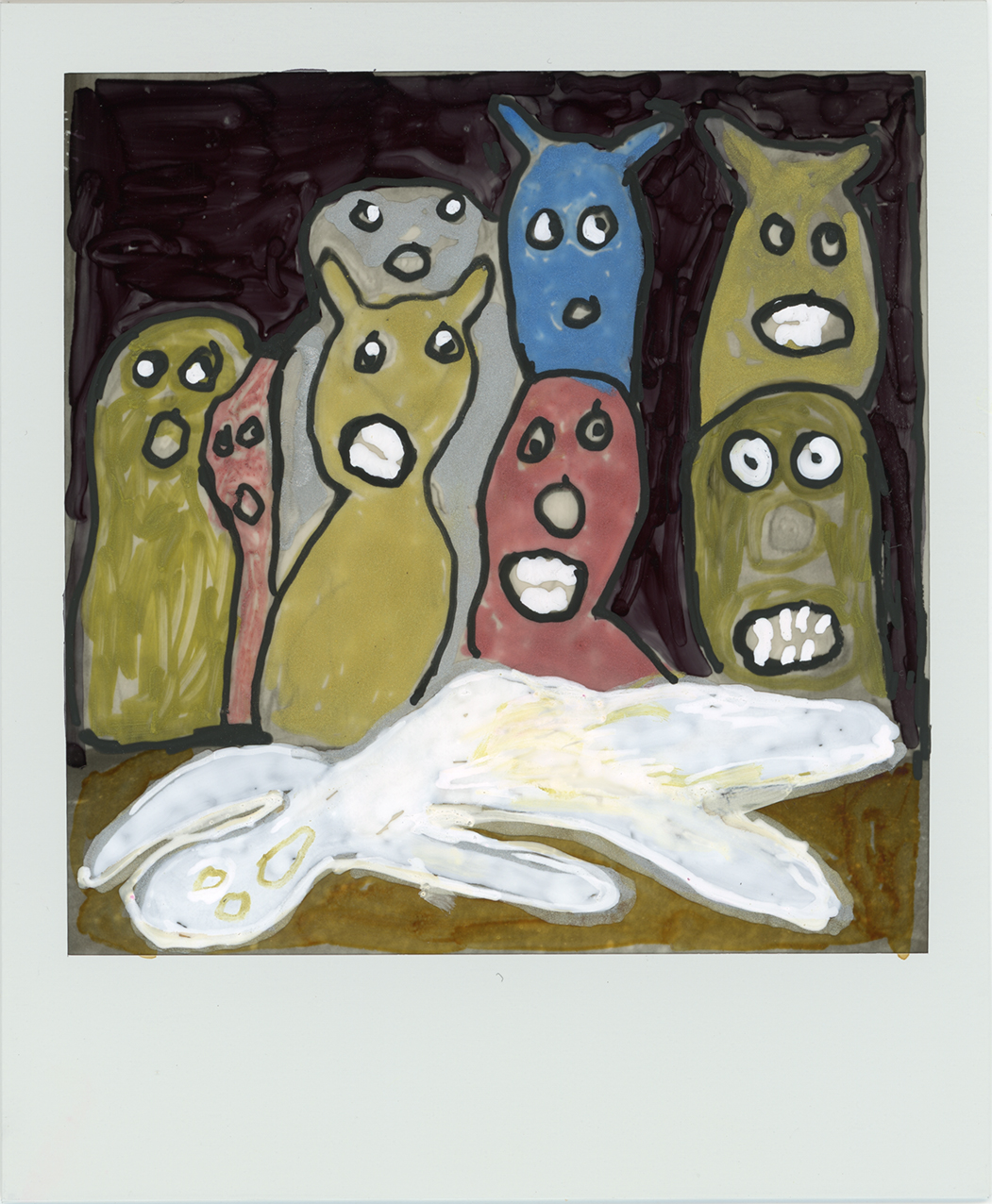
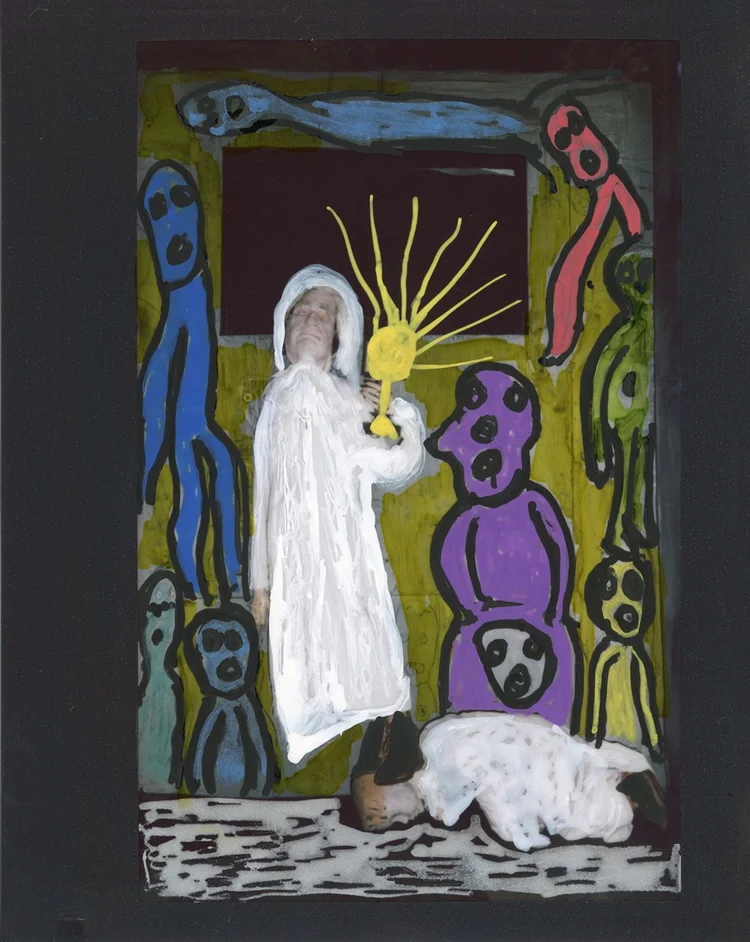
The Camara Oscura Galería de Arte claims to represent 70 % female artists. This year, though, alongside Claudia Fuggetti, whose work investigates ecologies and post-natural transformations between the organic and the artificial, its most prominent name was a man: Roger Ballen, who brought his new Polaroid series. Born in New York in 1950 and based in Johannesburg, Ballen is one of the most influential figures of his generation with work held by MoMA, the Tate, and the Centre Pompidou. His work was designated Beyond Photography in Basel.
Work of Cultural Translation
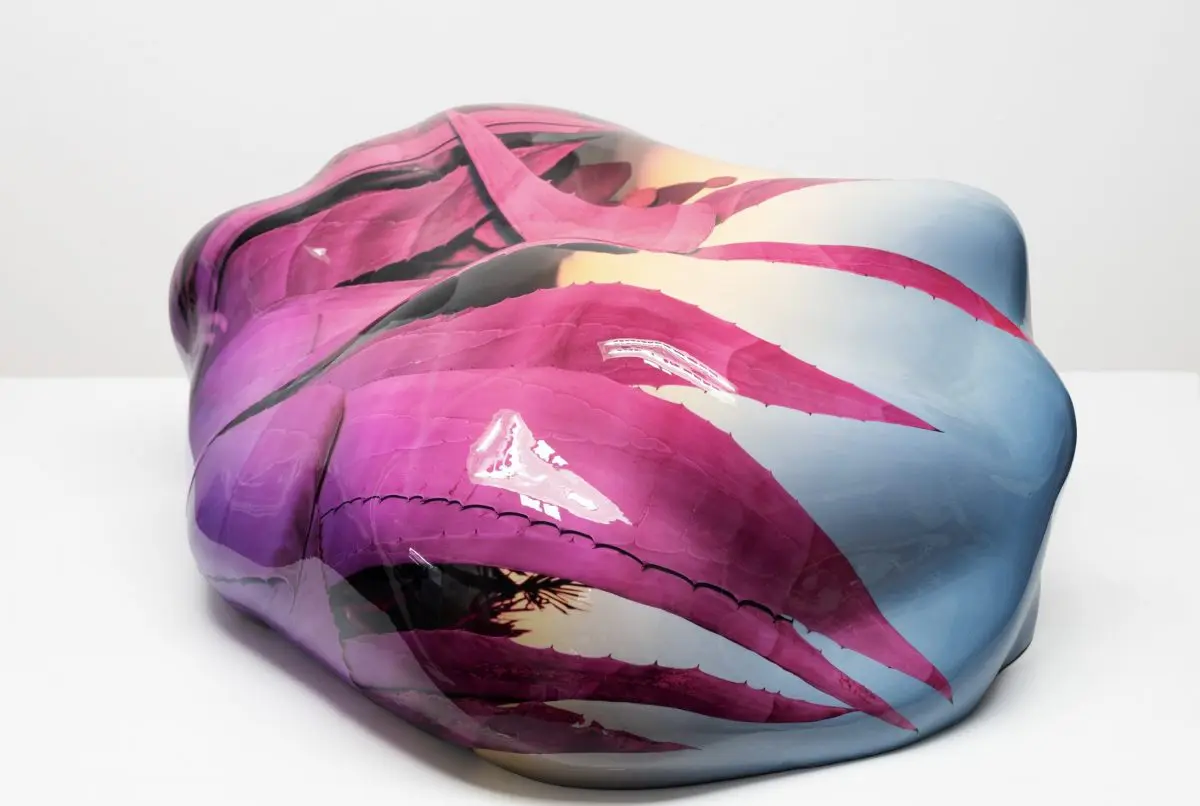
A distinct group of galleries seeks to introduce the world to photographers from their respective regions; among them is Grundemark Nilsson Gallery (owned by Dorothee Nilsson), based in Berlin but specializing in artists from Northern Europe. This year, the gallery presented, among others, works by the duo Inka & Niclas (a Finn and a Swede who have worked together in Stockholm since 2007). Striving to move beyond the traditional format, the duo create raw wood and plaster structures that curve and protrude from the wall; these three-dimensional forms are then coated with liquid photo-emulsion, allowing fragments and textures of a landscape to be printed directly onto their uneven, curved surfaces—not quite photography in the conventional sense, yet a technique that still acknowledges the medium.
Scena. By Shukado, a gallery launched in Tokyo in 2022 as a contemporary extension of the established art dealer Shukado (who had expanded into the field in 2010), operates with a name that is deliberately polyvalent: scena is stage in Latin and scene in cinema, but the gallery also reads each letter as an acronym for a curatorial mission (Scena = Shukado Contemporary Early Notable Art) — presenting emerging Japanese visual artists to the world, while offering a stage for the exchanges between artists and collectors. Riko Kinoshita treats urban decay as a living, shifting canvas in highly textures abstract pieces; Yuichiro Noda works in minimal architectural photography; and Yoko Kusano, whose dreamlike snapshots inhabit an uncertain temporal space.
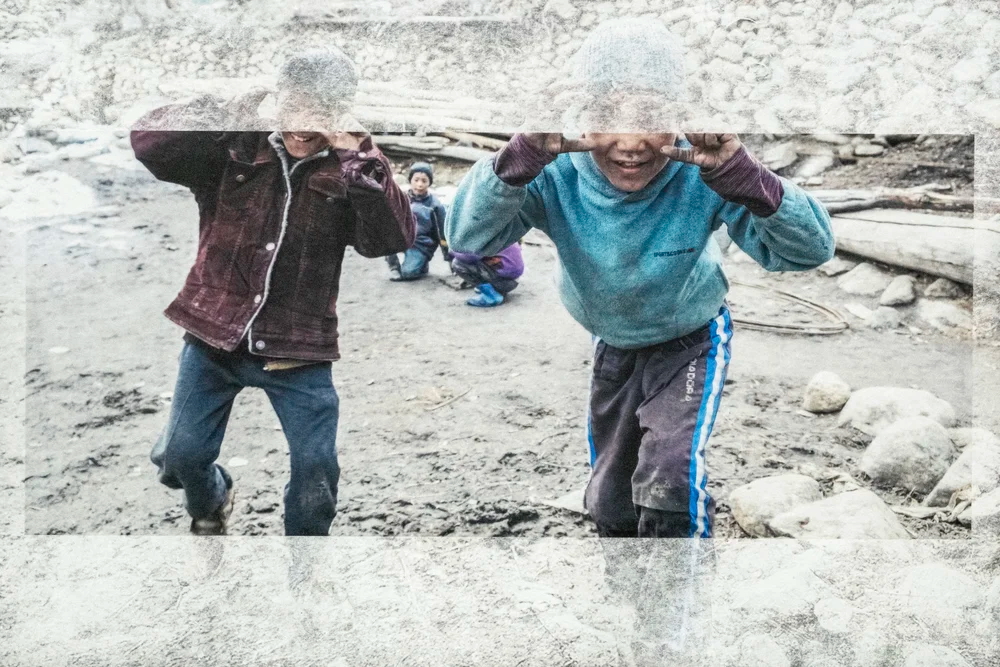
An Inc. is run by Kim Dong-hyun, who organized Seoul Photo at COEX from 2008 to 2015. The gallery acts as a gateway for Korean talent reaching an international audience. Among its artists is Lee Kyung-taek, who recently held a well-received solo exhibition, No Man’s Land, at Helix Art Space in Stockholm, and a solo feature, Beyond the Visible, during Paris Photo Week. Lee travels to harsh, isolated environments — the high elevations of the Himalayas and the Andes, sub-zero Arctic zones — to photograph abandoned man-made structures stranded in empty landscape. The pigment prints from both series share his signature surface: traditional Hanji, heavily agitated and scrubbed until sharp digital detail melts into a bleeding, textured, dreamlike physical surface.
Swiss Galleries: The Local as International
Swiss galleries demonstrated how regional identity and international ambition need not be in tension. Galerie Monika Wertheimer brought Nicholas Winter (born in England, based in Basel), who is known among specialists for his command of complex traditional analog techniques, his darkroom manipulations, and his singular Polaroid objects.
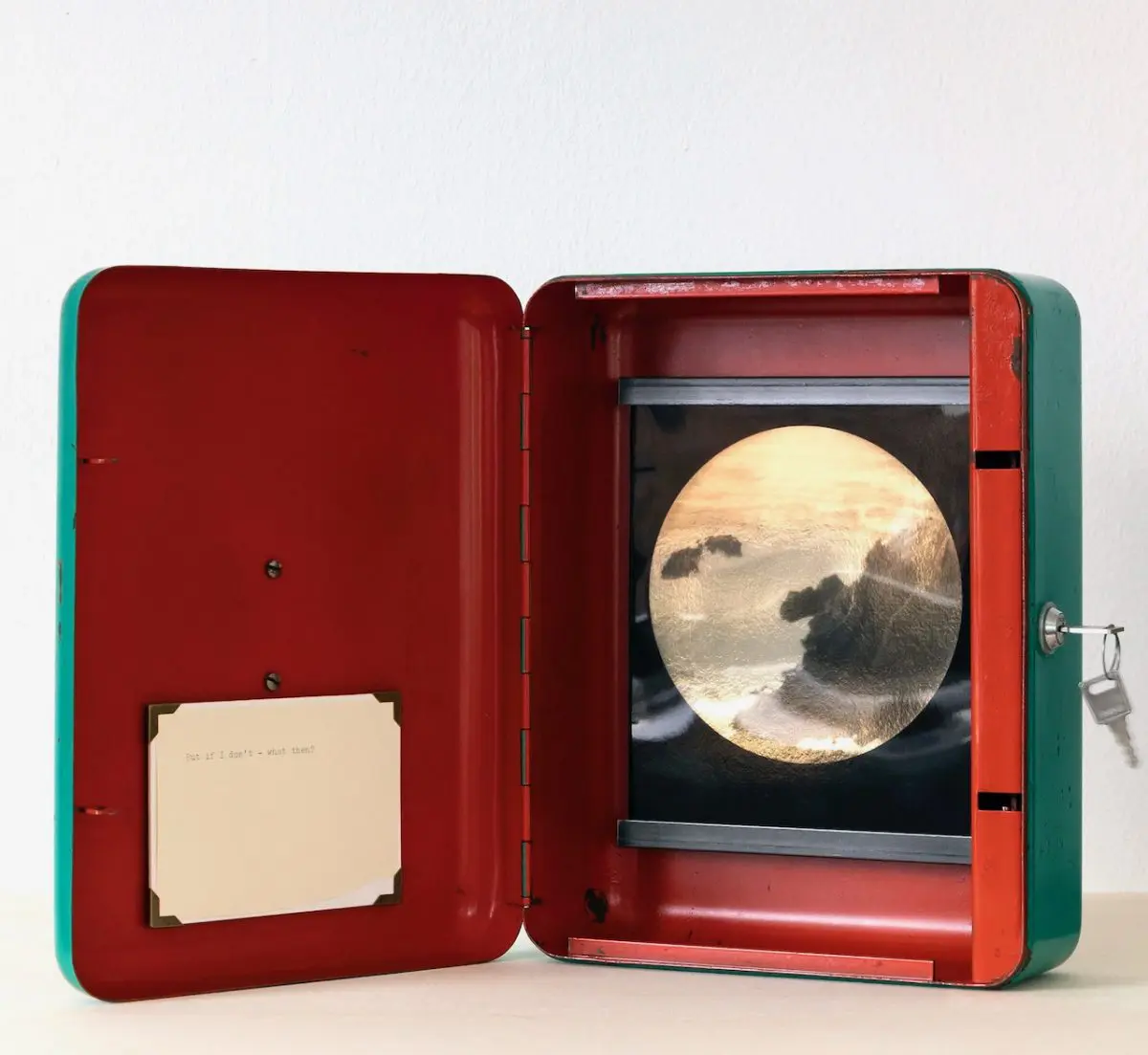
His success at Photo Basel shows exactly how local galleries like Monika Wertheimer function: they take an exceptional, locally-based insider artist and give him the global platform. Another example, Galerie 94 from Baden, presented Zak van Biljon (born in Johannesburg, based in Zurich). After a successful commercial career working for brands including Nike, The North Face, and Mini, he returned to fine art and began working with specialized digital and analog infrared technology, capturing light frequencies entirely invisible to the human eye. Because living vegetation reflects near-infrared light intensely, his landscapes transform ordinary forests, valleys, and the Swiss Alps into surreal fields of vibrant pink, neon red, and deep magenta.
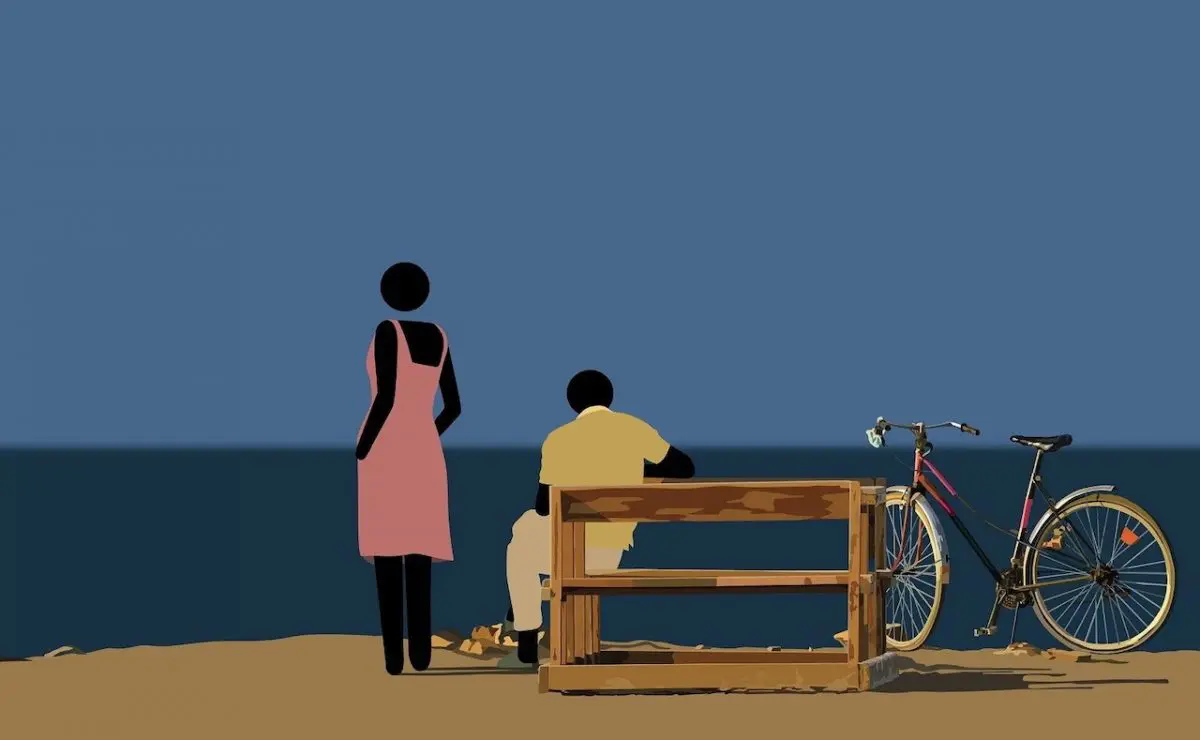
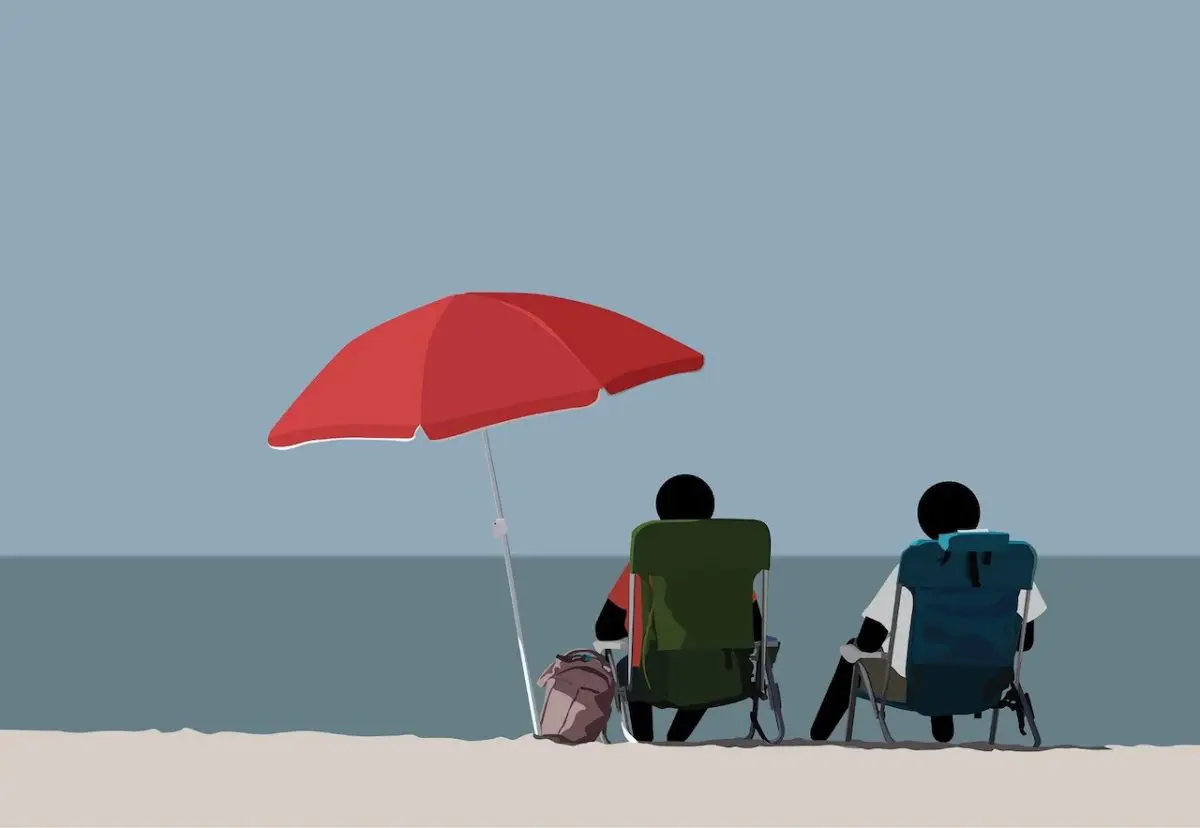
Galerie Alex Schlesinger, by contrast, has operated in Zurich since 2003 with an international roster. This time it represents Peruvian Patrick Tschudi whose Swiss surname suggests European ancestry. His series Summertime employs a heavily manipulated high-angle digital approach that flattens real urban settings into design-like, diagrammatic spaces. In post-production, individuals are stripped of distinguishing features and replaced by anonymous pictograms — the universal standing in for the particular.
Further experiments
At Rademakers Gallery, Jens Bruis — in his late twenties — makes what he calls “filmographic paintings,” works between photography, cinema, and painting, where the blur of one medium bleeds into the materiality of another. Galerie Esther Woerdehoff showed Michael Wesely, the German known for extreme long-exposure images in which months of real time collapse into a single frame — the accumulated duration of a city’s life made visible at once. The same gallery brought the French photographer Vincent Bousserez, who pioneered a macro practice staging miniature plastic figurines in real-world settings. In Dérive, thousands of ballpoint-pen strokes applied over the photograph let a new image emerge.
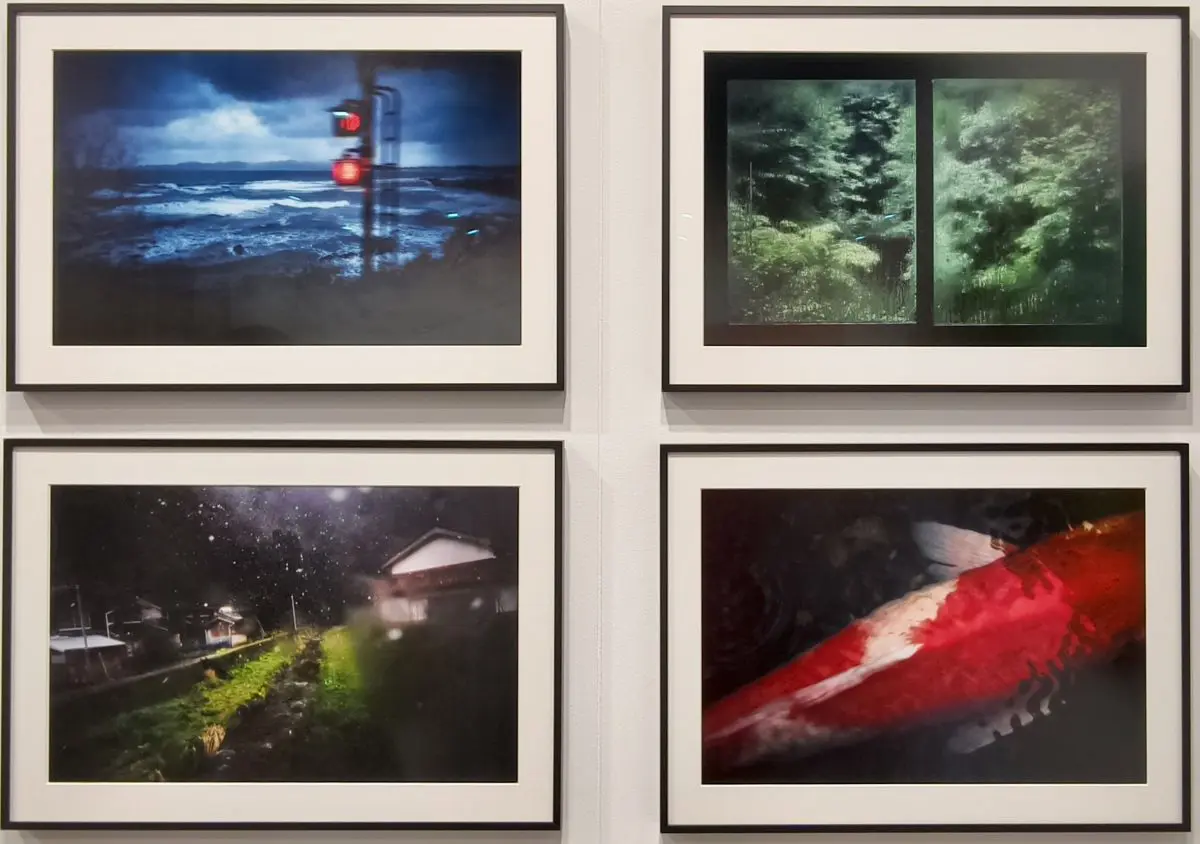
Susa Templin, at Galerie Electron Libre treats architectural space as her canvas. Using a 1930s analog camera, she captures rooms, windows, doors, and bare walls, then layers multiple exposures and manual darkroom work, printing the results onto translucent material she folds and stacks into walk-in labyrinths — flat images turned into three-dimensional structures. Electron Libre itself was founded as a mobile gallery, refusing a permanent storefront in favor of pop-up shows. Yasuhiro Ogawa, at Buchkunst, uses lens blur, high-contrast grain, and dense shadow to reduce the visible world to an emotional state, concentrating on light cutting through mist, snow, and rain.
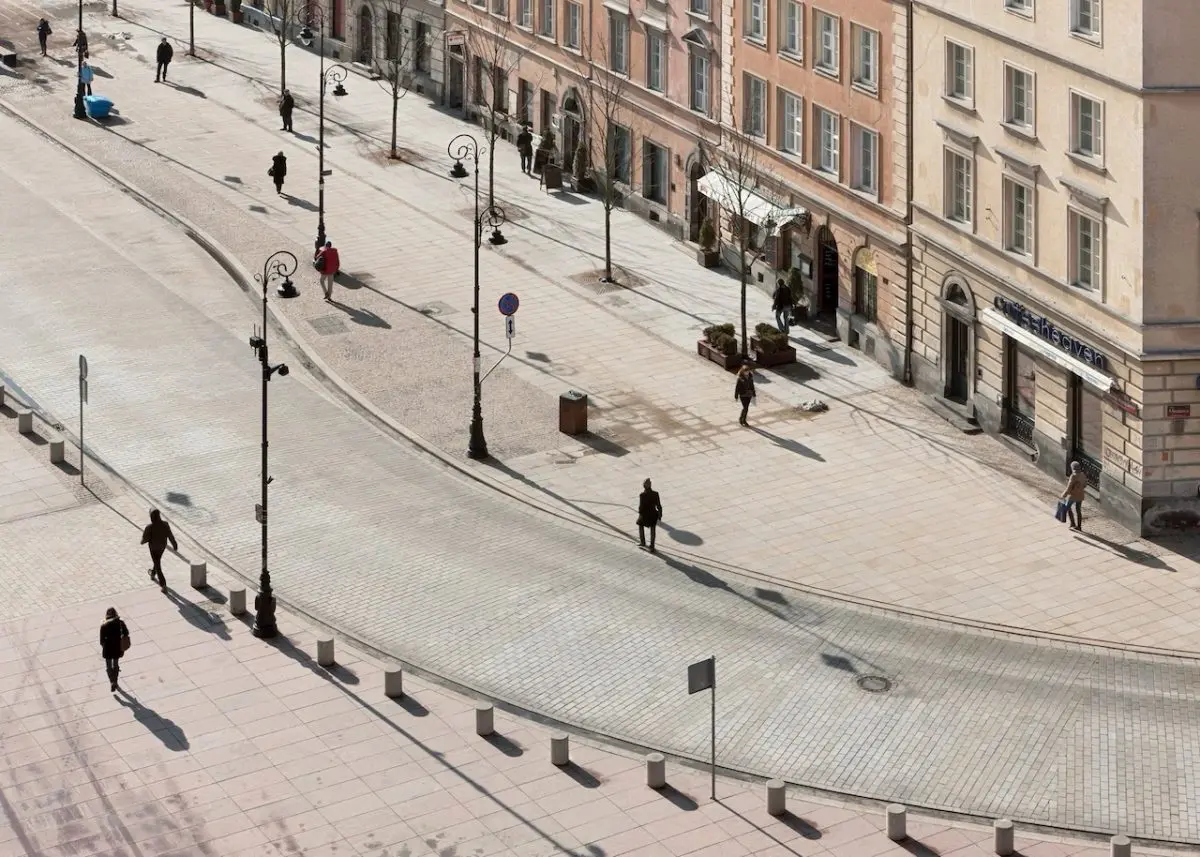
Against all this, Marcus Bredt, at the little-known Galerie Team K, Lübeck, offers a counterargument: clear, direct urban and architectural imagery in small to mid-scale formats. Amid everything around it, the clarity becomes the exception.
Kino & Kunst
Cinema, art, and culture, since 2012.