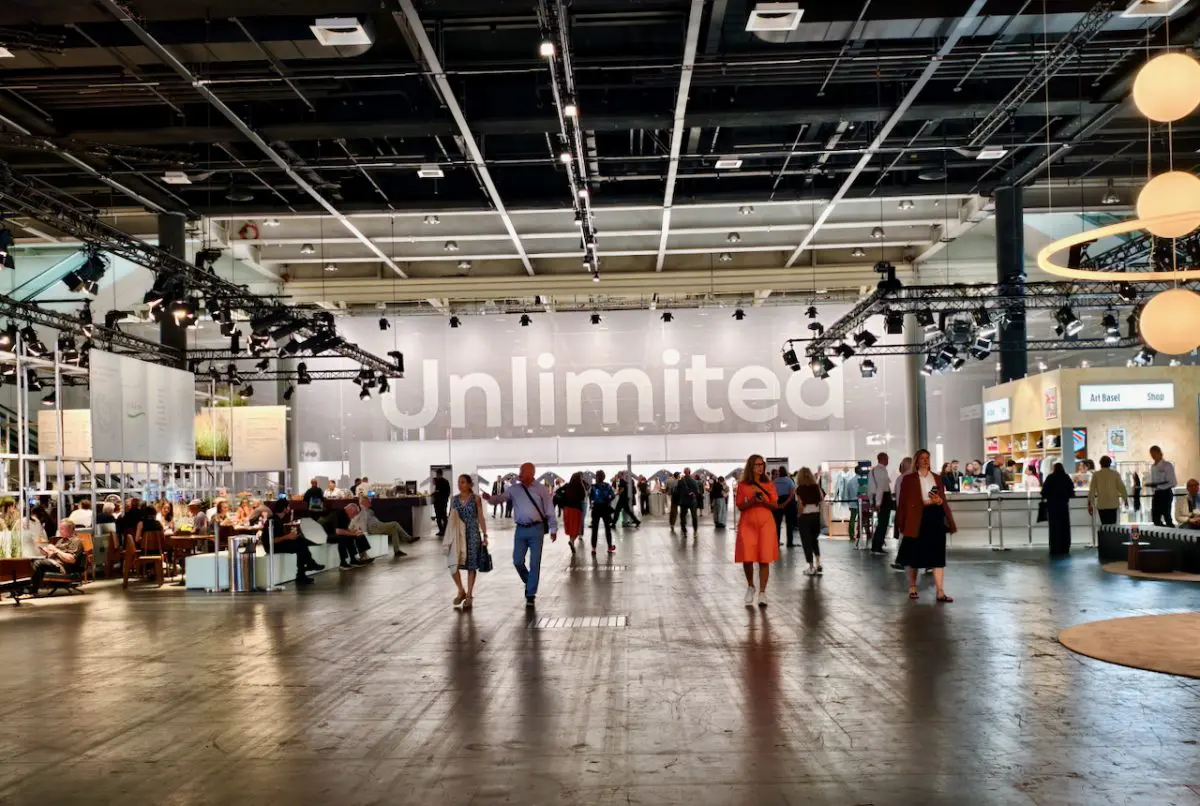
16 June 2026 — Since its launch in 1999, Unlimited at Art Basel has been one of the most visually ambitious sections of the fair, dedicated to monumental, large-scale works that push beyond the physical and conceptual limits of the traditional booth. This year, the sector presents 59 projects spanning installation, sculpture, performance, film, and immersive environments, transforming the exhibition hall into a landscape of artistic experimentation. It also marks a significant change – Ruba Katrib, Chief Curator and Director of Curatorial Affairs at MoMA PS1, the Long Island City institution for experimental contemporary art, takes over from Giovanni Carmine after his five-year tenure, shifting the engagement toward more politically and socially meaningful artistic practices.
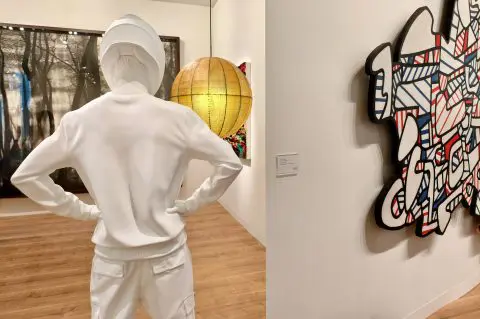
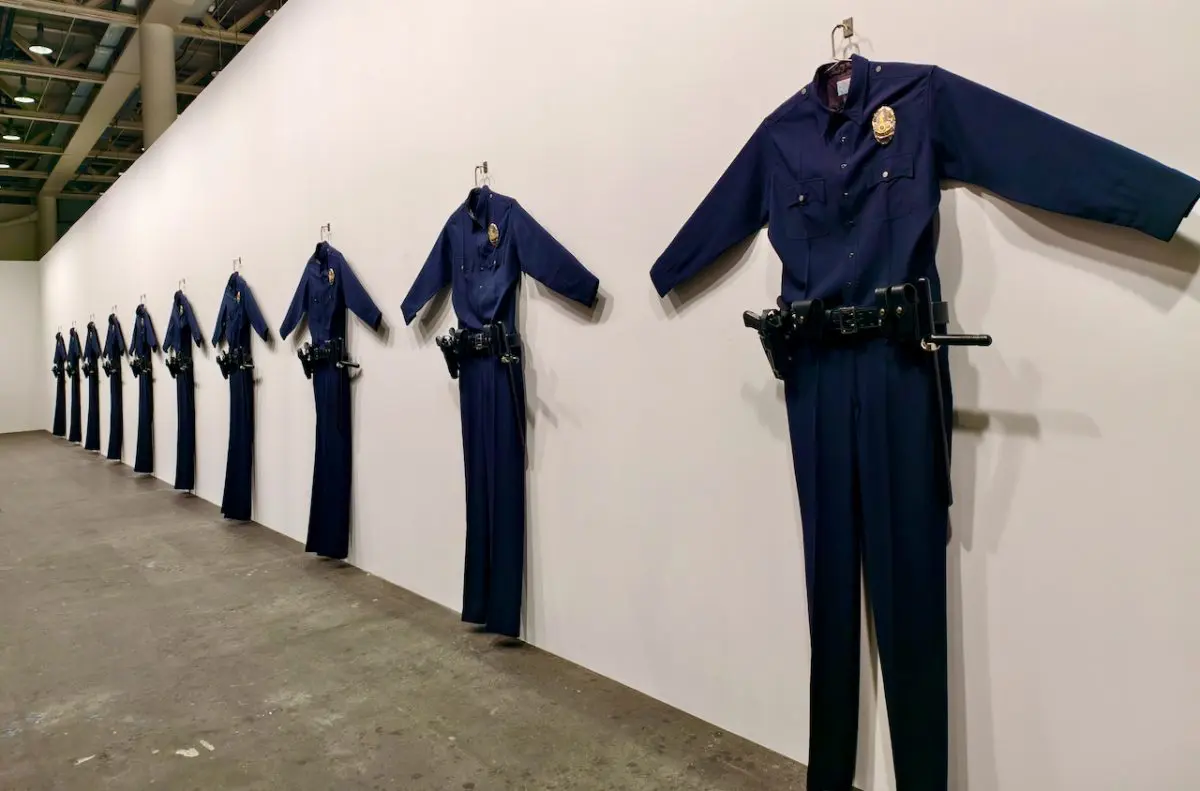
Visitors encounter this focus immediately upon entering the section, greeted by Chris Burden’s iconic L.A.P.D. Uniforms. Burden (1946–2015), an artist celebrated for challenging physical, psychological, and conceptual boundaries, created the work in response to the Los Angeles riots that followed the acquittal of police officers involved in the brutal beating of Rodney King. More than three decades later, the installation still feels relevant amid ongoing political tensions and global instability. The work consists of 30 regulation Los Angeles police uniforms enlarged to fit officers standing more than two meters tall. Their exaggerated scale creates a sense of authority and intimidation.
The market responded quickly. During the VIP preview days (June 16-17) several major works found buyers. While Galerie Georges-Philippe & Nathalie Vallois placed Niki de Saint Phalle’s Blue Obelisk (1992) with a private museum in France for more than €1 million, at White Cube, Tracey Emin’s Knowing My Enemy (2002) was acquired for £1.25 million.
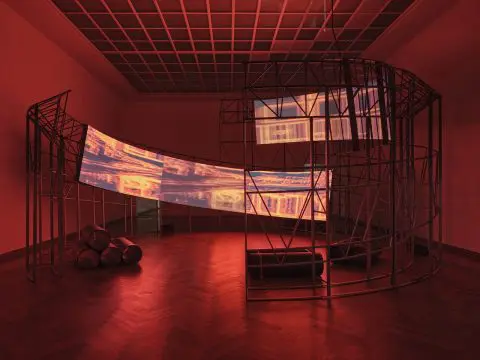
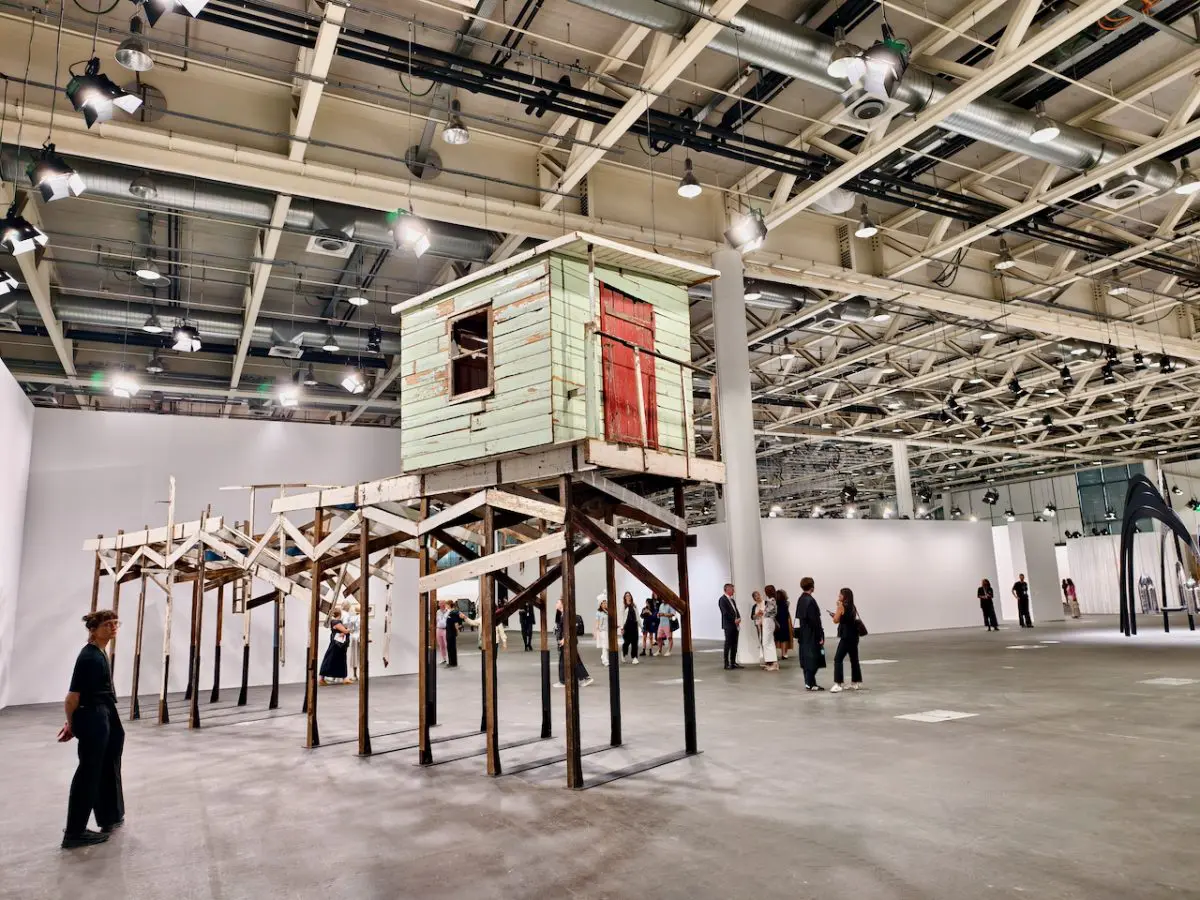
At the center of the exhibition stands a solitary, split-open beach hut titled Knowing My Enemy. Created in 2002, the installation exemplifies the confessional and autobiographical approach that made Tracey Emin one of the most prominent figures of the Young British Artists generation. The work draws on her complicated relationship with her father, a Turkish Cypriot who maintained a second family and eventually abandoned Emin and her mother, leaving them in financial hardship. Forced to move into a small cottage after losing their home, the family experienced a rupture that continues to echo through the artist’s work. The hut functions as both a physical structure and an emotional metaphor. Personal objects and letters remain visible inside, yet visitors are denied entry, at least at Art Basel, mirroring the emotional distance and unavailability that lie at the heart of the piece.
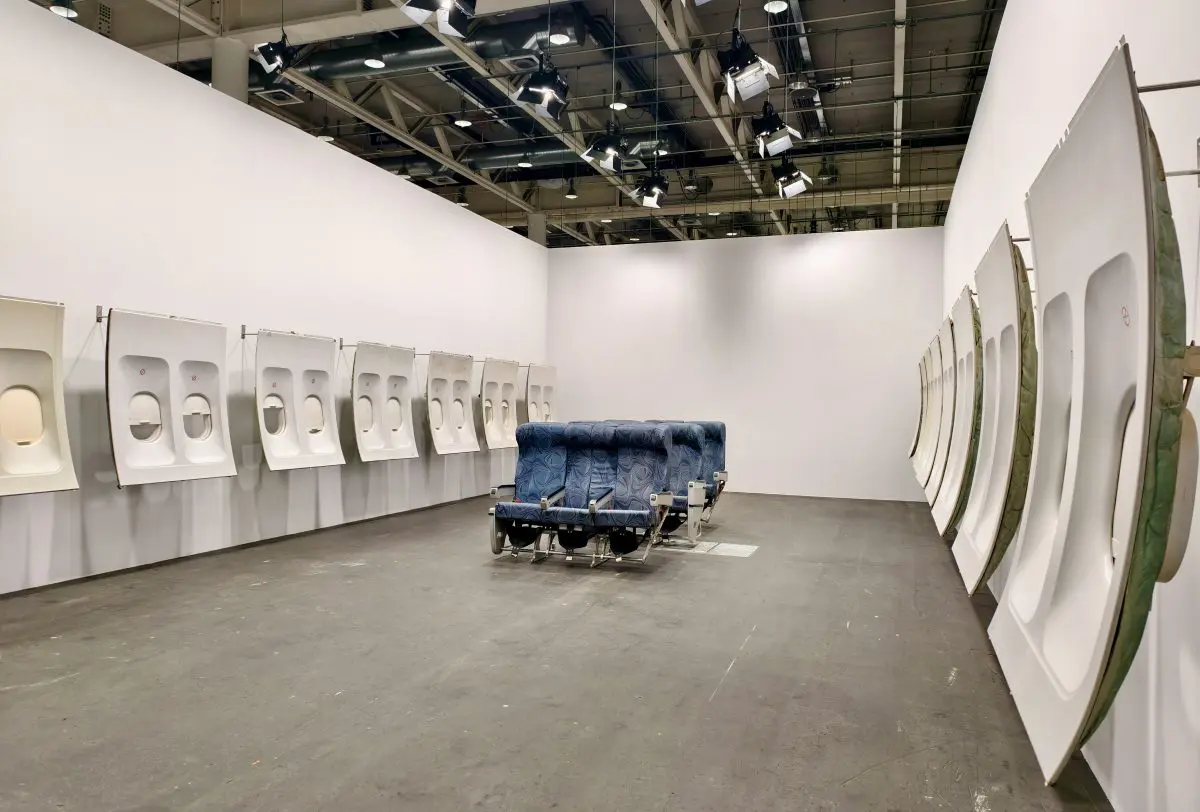
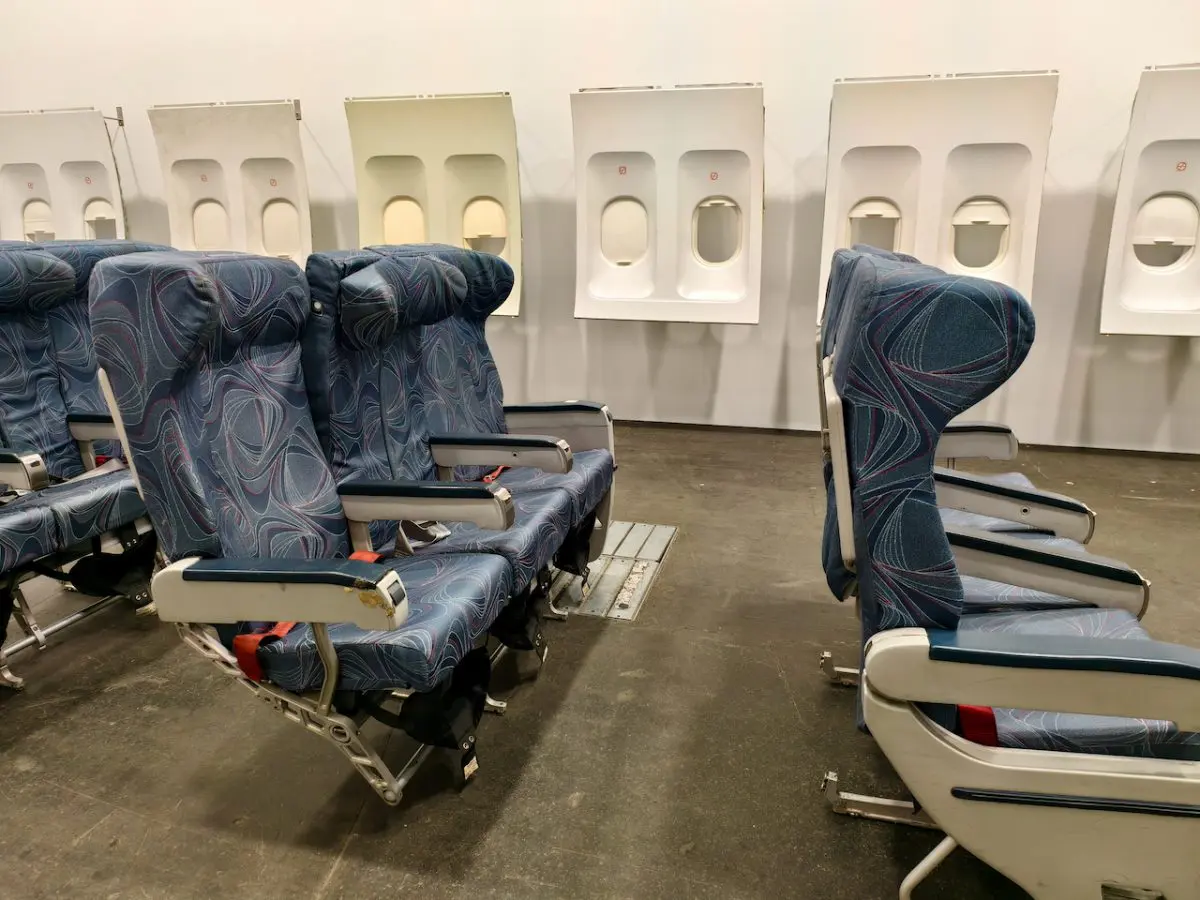
A very different meditation on displacement unfolds in Isa Genzken’s Untitled (2018). Part of her long-running fascination with mobility and contemporary life, the installation consists of fragmented airplane components, including seats and windows detached from their original function. Fifteen aircraft windows hang on the walls like oversized eyelids—open — open, half-open, or firmly shut —challenging the conventional idea of a window as a portal to the world beyond. For Genzken, travel offers the possibility of seeing the world from new perspectives; here, however, the abandoned seats and dislocated fragments evoke a dreamlike atmosphere, as if the promise of movement has been suspended indefinitely. The installation Untitled (2018), presented jointly by Buchholz, Hauser & Wirth, and David Zwirner, was sold to a European museum for €1.2 million.
Among the historical highlights is Bruce Nauman’s Dead End Tunnel Folded into Four Arms with Common Walls (1980). At first glance, the work appears deceptively simple: a rough, quasi-architectural structure supported by wooden planks. Yet Nauman’s intervention is characteristically unsettling. Four narrowing arms extend outward, twisting and expanding as they progress, only to culminate in a series of inaccessible dead ends. The sculpture transforms architectural space into a psychological experience, frustrating expectations of movement and functionality while drawing attention to the body’s relationship with its surroundings.
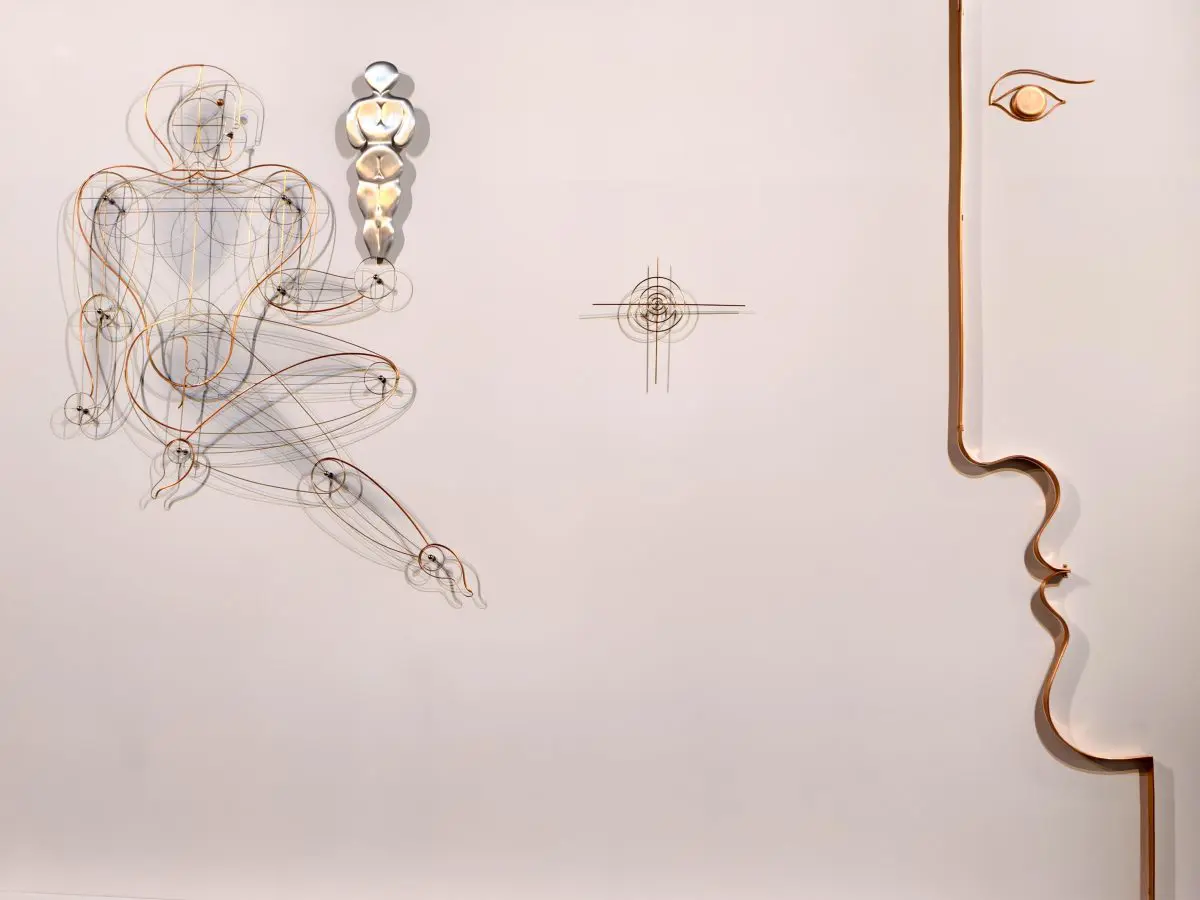
Equally compelling is Oskar Schlemmer’s Homo, Composition in Metal (1930–31), a rare large-scale work by the Bauhaus master. Constructed from copper, chrome, and brass, the three-part wall installation presents a triad of stylized human figures rendered through elegant linear forms. Schlemmer sought to redefine the relationship between the human body, geometry, and space, developing a visual language that remains strikingly modern nearly a century later. Although his work was denounced by the Nazi regime as degenerate art, Schlemmer’s influence has endured. Originally commissioned for a private residence in 1930, Homo, Composition in Metal is regarded as the first wire sculpture conceived as a spatial installation and remains a landmark in the history of modern sculpture.
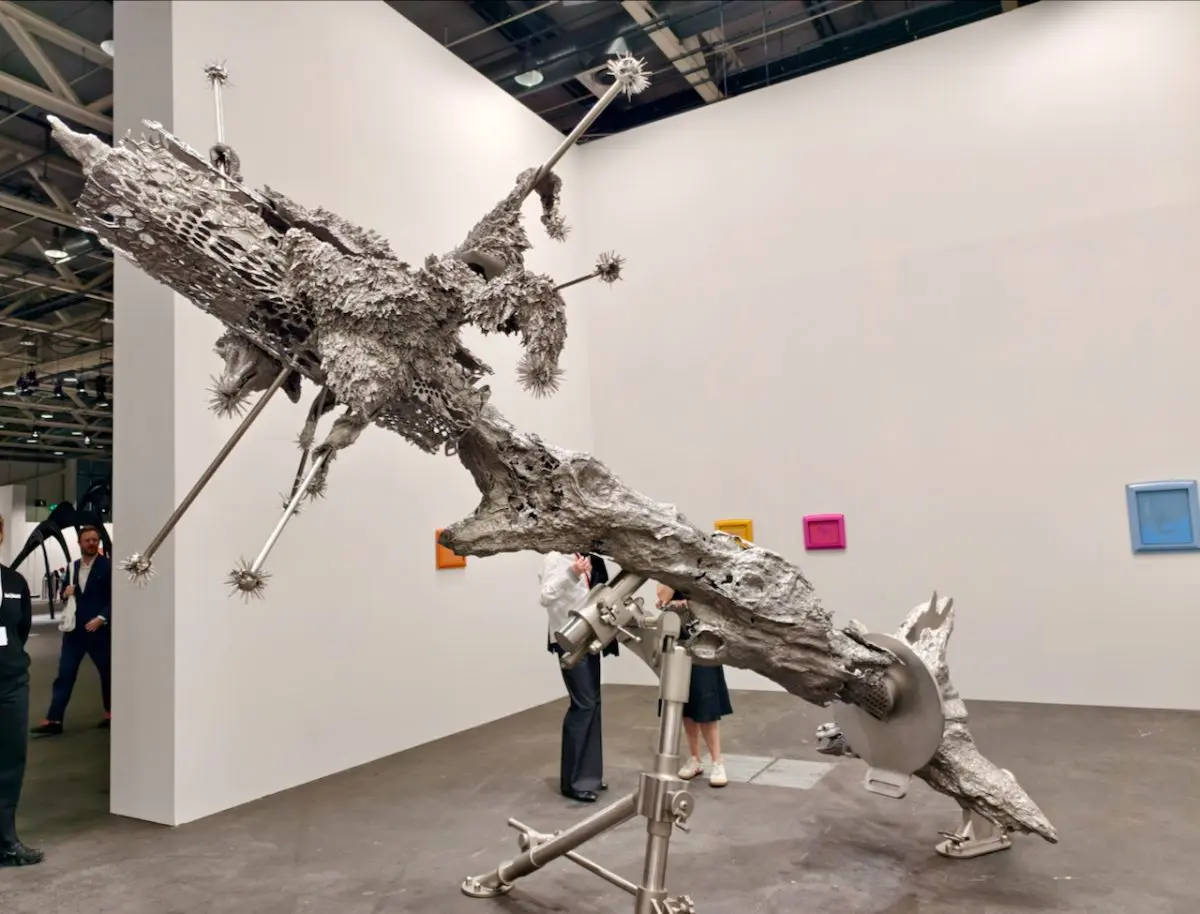
One of the most ambitious contemporary projects comes from Matthew Barney, whose Cosmic Hunt combines monumental sculpture with drawing and mythology. Widely regarded as one of America’s most influential living artists, Barney draws upon imagery from his 2018 film Redoubt, which reimagined ancient creation myths in Idaho’s Sawtooth Mountains. At the center of the installation stands a monumental cast stainless-steel sculpture in which an eviscerated wolf hangs suspended between a pierced corpse and a celestial form. Surrounding gouache and graphite drawings depict shifting skies, forest fires, and wilderness landscapes, merging earthly and cosmic forces.
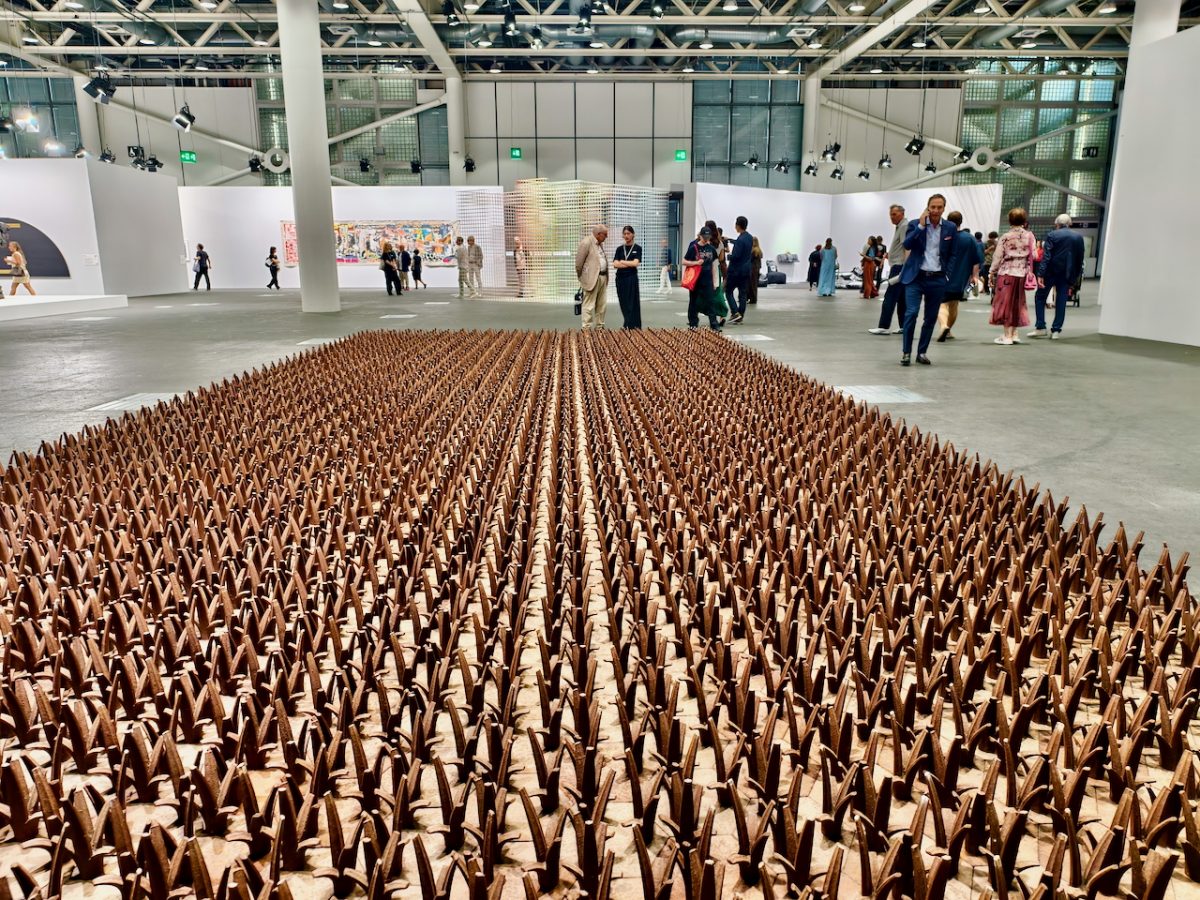
Political undertones re-emerge in Ai Weiwei’s large-scale installation from 2014. Composed of more than 1,000 individually cast iron blades scattered across the floor, the work transforms the delicate image of grass into a symbol of collective resilience. Fabricated from corrosion-resistant iron commonly used in urban drainage systems, the installation resembles a patch of lawn viewed from above. Yet each blade simultaneously recalls anti-tank obstacles, creating a tension between vulnerability and resistance. As with much of Ai’s work, ordinary materials become vehicles for broader reflections on power, control, and collective action.
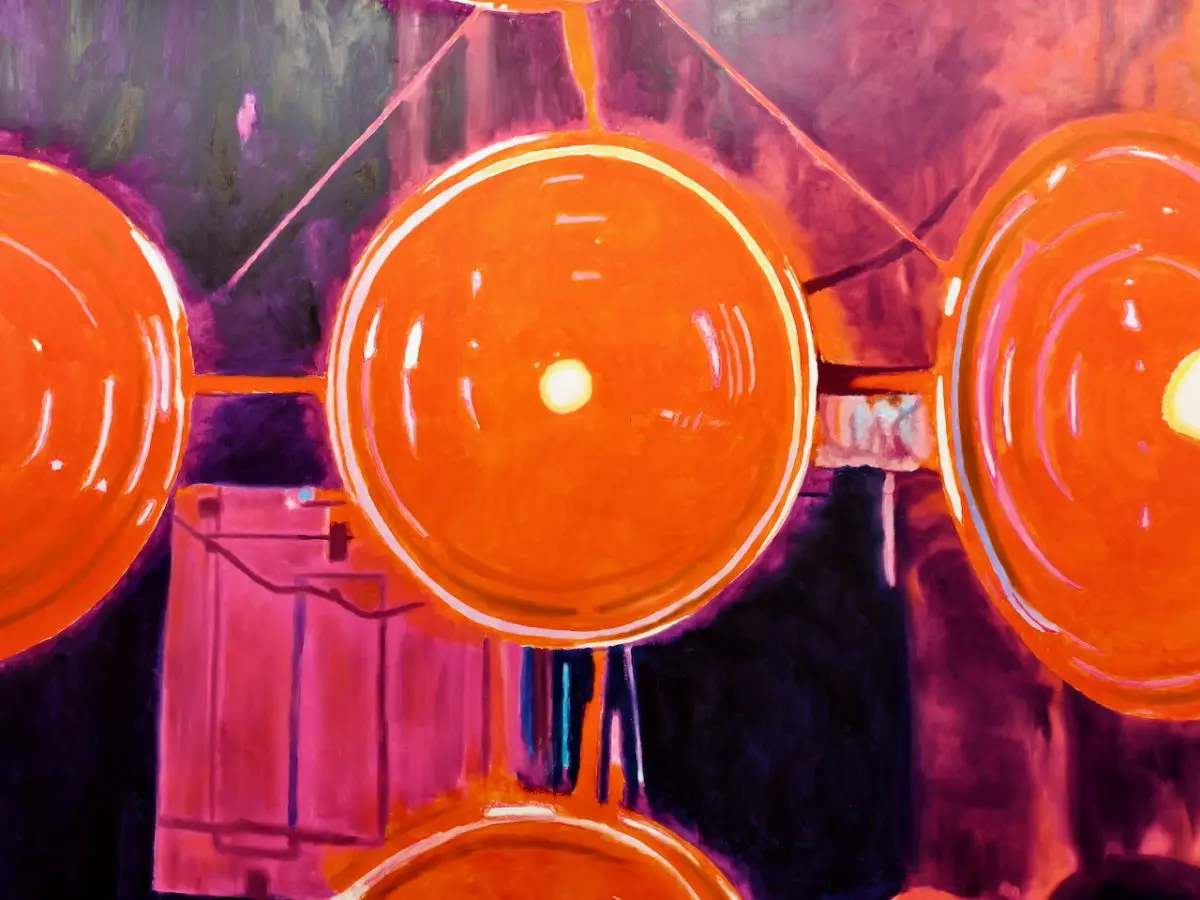
Luc Tuymans’s monumental pairing of Heat and Musicians, presented by David Zwirner, was originally commissioned for the Basilica of San Giorgio Maggiore in Venice, where they temporarily replaced Jacopo Tintoretto’s Last Supper and The Israelites in the Desert while the Renaissance masterpieces underwent restoration. Measuring six meters across, the canvases are among the largest Tuymans has ever produced. Rather than illustrating biblical scenes, Tuymans focuses on the elusive qualities of light, atmosphere, and perception. Characteristically ambiguous, the paintings create a sense of distance between what is seen and what is understood. Removed from their sacred Venetian setting and relocated to the bustling environment of an international art fair, the works retain a meditative quality that stands in striking contrast to the surrounding spectacle.
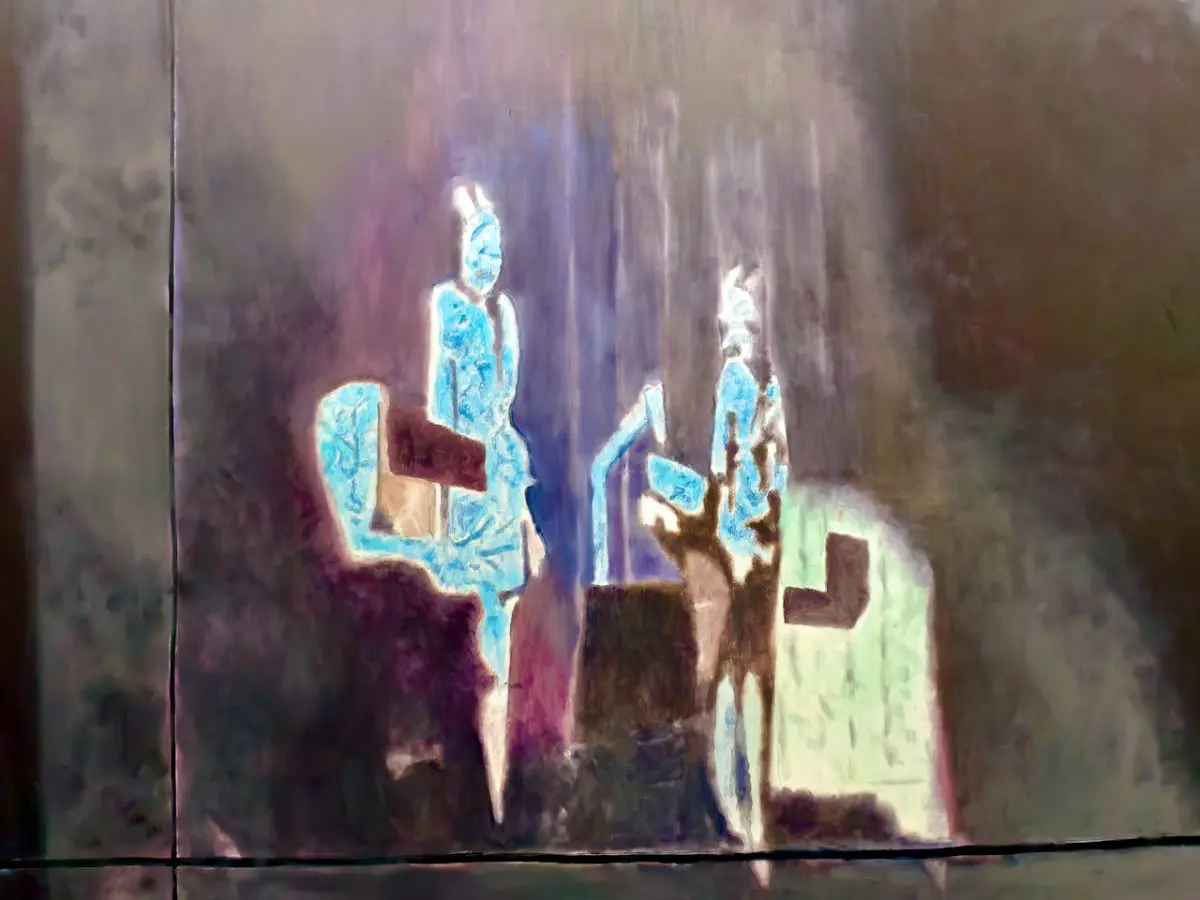
One of the most talked-about presentations is Goshka Macuga’s Exhibition M: A Re-enactment (2023–26), a hybrid installation and live performance that continuously activates the space around it. Developed from a tapestry originally commissioned by MoMA, the work transforms institutional history into a living environment populated by performers reading artists’ statements and historical texts. The result is part exhibition, part theatre, and part archive, blurring the boundaries between artwork, audience, and institution.
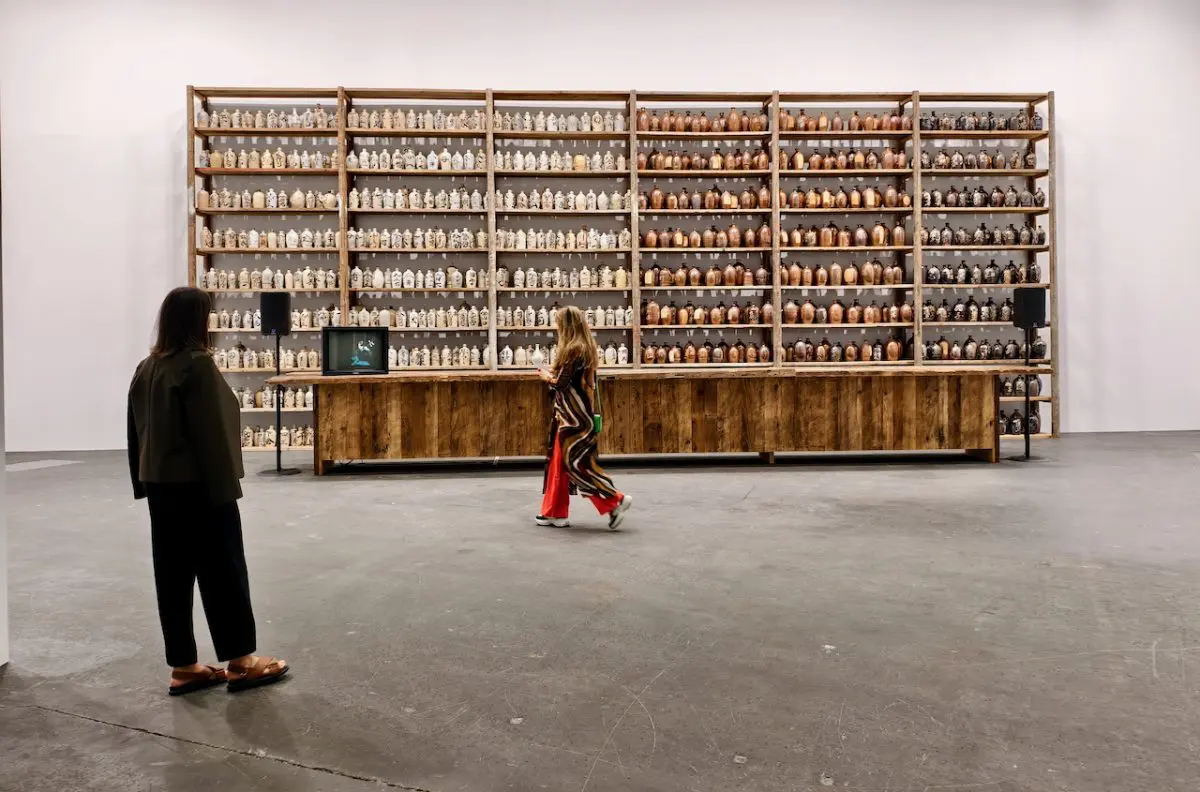
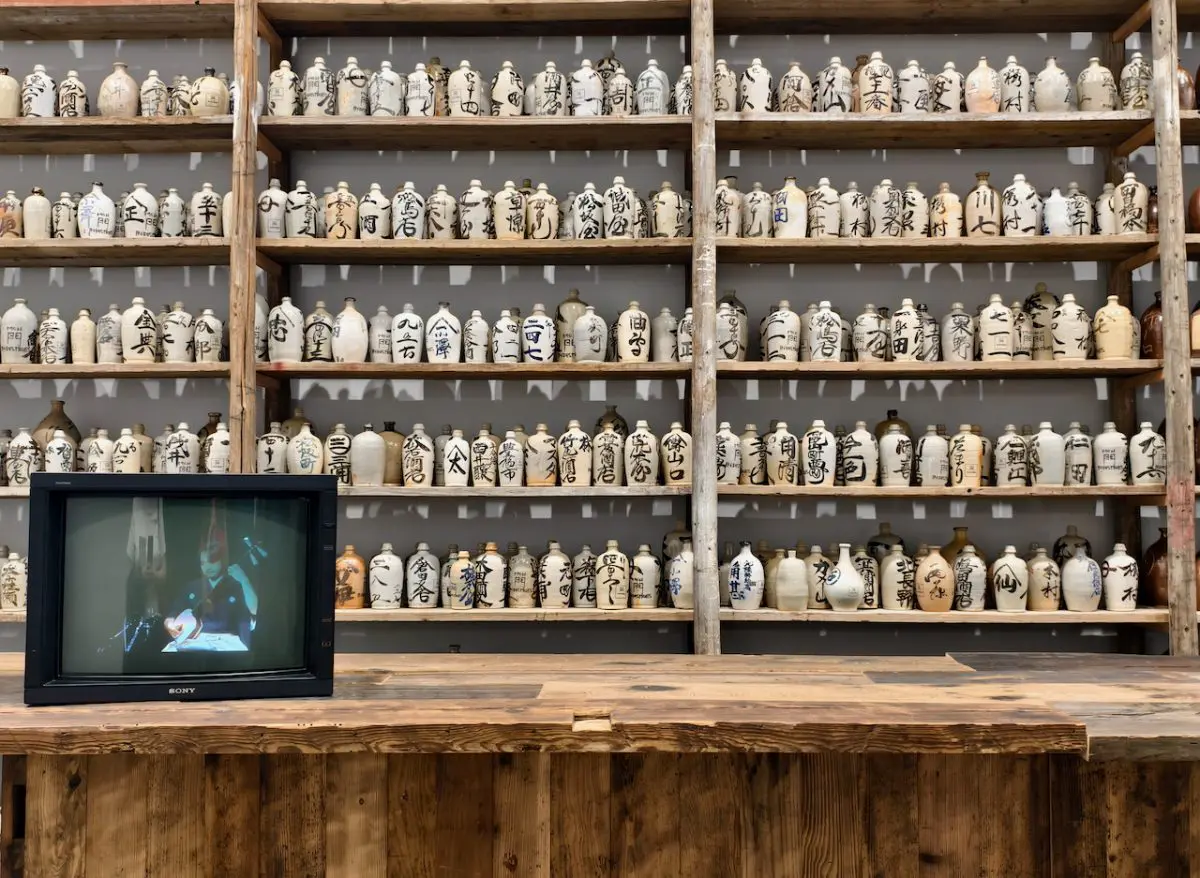
Equally captivating is Theaster Gates’s A Libation in Uncertain Times (2024). The installation was first conceived for a solo exhibition at the Mori Art Museum in Tokyo in 2024, and reimagined for a solo show at White Cube Bermondsey in 2025. Taking the form of a sculptural still life, Gates has arranged more than 1,000 binbo tokkuri on traditional Japanese wooden shelves, placing them according to the depth and richness of their glaze to create a subtle color gradation from left to right. The originally family crests fired onto the bottle by their former owners are highlighted alongside the name of Gate’s Mon Industries.
Unlimited also introduces a notable structural change this year. For the first time, participating galleries are no longer required to sell installations as a single, indivisible work. While some may question whether fragmenting large-scale projects compromises their conceptual integrity, the new approach could make ambitious works accessible to a broader range of collectors and institutions. The idea is not entirely new. Roman and Greek sculptures were also broken and sold that way. What looks like a contemporary innovation often echoes a much longer history finding its way into new forms of circulation.
Kino & Kunst
Cinema, art, and culture, since 2012.