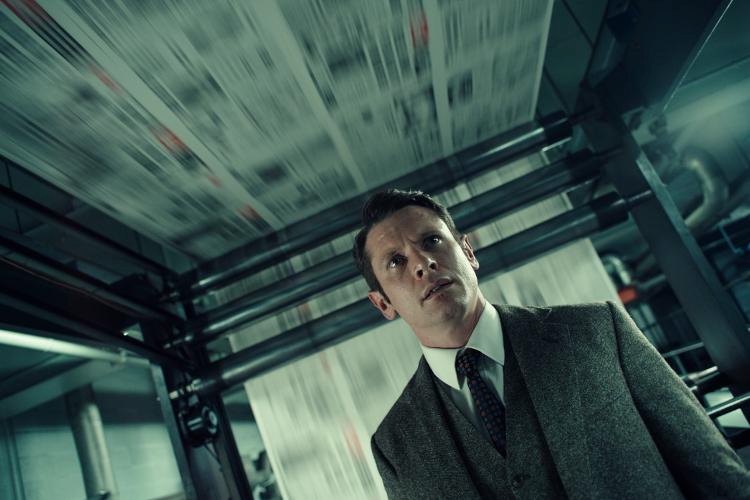
15 August 2026 — The Venice Film Festival opens on September 2nd with a scene in which a man buys a newspaper. In Danny Boyle’s film “Ink”, Guy Pearce appears as Rupert Murdoch, while Jack O’Connell plays Larry Lamb—the editor hired in 1969 to transform a failing publication into “The Sun”. To be precise, he changed the large broadsheet format to a small, easy-to-read tabloid size, ready to be scrolled like we scroll social media today. In fact, the Murdoch reality of “sex, sport, and sensation” that we live in today rewarded sensationalism with a divided mentality of “us versus them”. This marks the first time a Boyle film has been presented on the Lido. Will it be critical? We are looking forward to finding out.
In essence, what is happening in Venice this year is a continuation of the trend that began at the Cannes Film Festival in May, when studios opted not to bring their films. Ironically, more time at the Venice press conference was devoted to films that ‘won’t’ be shown in the lineup than to those that actually will.
For instance, there was discussion regarding the absence of Alejandro González Iñárritu’s “Digger”, starring Tom Cruise. Aaron Sorkin’s “Social Reckoning”—his return to the subject of Facebook fifteen years after “The Social Network” — won’t be making the trip. Nor will “The Adventures of Cliff Booth”, David Fincher’s film based on a Tarantino script, featuring Brad Pitt as a stuntman transported to the 1970s, nor “Dune: Part Three”. Alberto Barbera explained the reasons for all of this. Sorkin has additional filming scheduled through August and won’t be able to finish in time. Fincher halted production for personal reasons, and the film might not be ready until October. Meanwhile, Villeneuve is still working on special effects that won’t be completed before the film’s December 18 release. Cruise’s film is perhaps the only one that doesn’t fit this pattern, and Barbera confirmed that Warner Bros. decided not to screen “Digger” at any festival this autumn. Two years ago, the same studio screened “Joker: Folie à Deux” at the Lido, only to be met with negative reviews. Something Warner Bros. likely hasn’t forgotten.
Not only was the lesson learned, but the studios’ approach to promotional campaigns also shifted. Anne Hathaway visited Seoul twice this year: first, shortly before the Cannes Film Festival, for “The Devil Wears Prada 2”, and again quite recently for “Odyssey”. Studios are now willing to invest massive sums in precisely this type of visibility, in screenings and promotional tours across Europe and Asia, fan meet-and-greets, press conferences, interviews with select groups of journalists, photo shoots, and red-carpet events in shopping malls. Yet there is not a single screening where hundreds of critics sit in a dark theater with the right to publish reviews. Such a screening would mean the film being judged before public perception could be shaped, and studios seemingly see no reason to take that risk when trying to attract an audience.
A recent industry incident involves Luca Guadagnino’s new film, “Artificial”, which won’t be presented in Venice. The film chronicles the five days in November 2023 when OpenAI’s board of directors fired CEO Sam Altman. The cast includes Andrew Garfield as Altman; Yura Borisov plays Ilya Sutskever, the scientist who created the AI technology and voted to oust the man who marketed it. Ike Barinholtz plays Elon Musk, the company co-founder who left and later sued the firm.
Amazon backed the project, but in June, the studio abandoned the nearly finished film, on which some $40 million had already been spent. One reason cited was the partnership between Amazon and Altman’s company, along with the fact that the film portrays Altman—and Musk—in an unflattering light. In late June, Neon acquired the rights, opting not to take the film to Venice but instead to pre-sell it individually across various territories. Guadagnino will still arrive at the Lido, however, with “Joie de Vivre”, a seven-hour out-of-competition film about Bernardo Bertolucci. The director himself will receive the “Glory to the Filmmaker” award. Festival director Barbera describes the film as a work that uses Bertolucci to explore the nature of cinema past and present, as well as the history and potential future of film criticism. Guadagnino has been premiering his work here since 1999, and their collaboration has become one of those Venice traditions, much like the festival’s long-standing bond with George Clooney, who is receiving a Golden Lion for lifetime achievement this year. Films of this length will be screened primarily outside the competition program. In addition to Guadagnino’s film, the lineup includes Alex Gibney’s 232-minute film about Elon Musk and a 225-minute picture by Hong Kong director Yonfan about his own career.
The competition program itself is remarkably cohesive. Several films focus on the theme of storytelling. In addition to Danny Boyle’s film, there is “Primetime” by Lance Oppenheim with Robert Pattinson and Merritt Wever, based on a TV show that turned the hunt for sexual predators into entertainment. Andrea Pallaoro’s “The Echo Chamber” is a 120-minute film about a couple’s relationship, featuring Alicia Vikander, Luca Marinelli, and Susan Sarandon. The title alludes to the inability to break free from habitual behavioral patterns that echo through time. The film is based on a screenplay Bernardo Bertolucci wrote with Ilaria Bernardini and Ludovica Rampoldi shortly before his death.
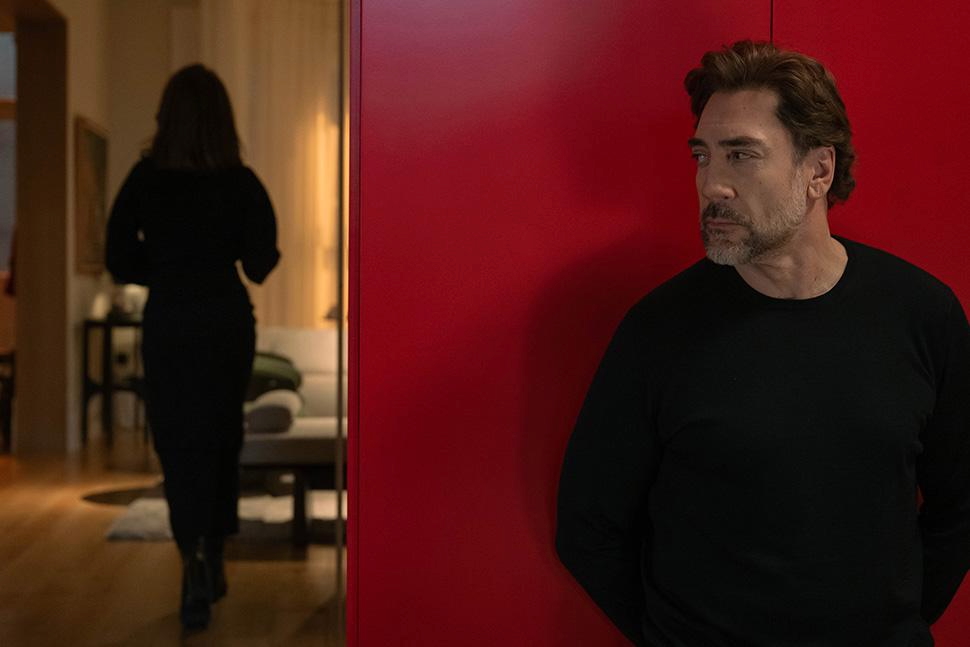
Another group of films focuses on states, nations, and their impact on individuals. Ali Asgari’s 87-minute film “A Bit of Light” tells the story of Iranian government opponents awaiting change that never comes. Martin McDonagh’s dark comedy “Wild Horse Nine” follows characters played by John Malkovich, Sam Rockwell, and Steve Buscemi on a journey from Santiago to Easter Island shortly before the 1973 coup in Chile. Marco Bechis — who was once detained by the Argentine junta and made a film about its prisons titled “Garage Olimpo” — returns to the country with “Ritorno a Buenos Aires” (Return to Buenos Aires). Joining these films is Florian Zeller’s “Bunker”, in which Javier Bardem and Penélope Cruz play an architect and his wife whose marriage is crumbling while he builds a shelter for a tech billionaire. This 126-minute film, North American rights to which were acquired by Sony Pictures Classics, is the only entry in the competition that addresses the same theme as the film Venice failed to secure.
Also worth noting are more intimate films focused on institutions that attempt to “fix” people, such as Cédric Kahn’s “15/18”, which centers on an adolescent psychiatric ward in a French public hospital. Stéphane Brizé, who has spent fifteen years exploring the theme of labor and its destructive impact on the individual, presents “Un bon petit soldat” (A Good Little Soldier), starring Alba Rohrwacher and Vincent Lindon. The drama examines themes of professional ethics, the corporate environment, and personal choice within the harsh realities of modern work. Casey Affleck’s third directorial effort, the 92-minute film “Company”, features Nick Nolte and Ben Mendelsohn. However, the film’s mundane title is somewhat misleading; in essence, it is a gothic mystery weaving together storylines from different eras against the backdrop of a series of gruesome local murders.
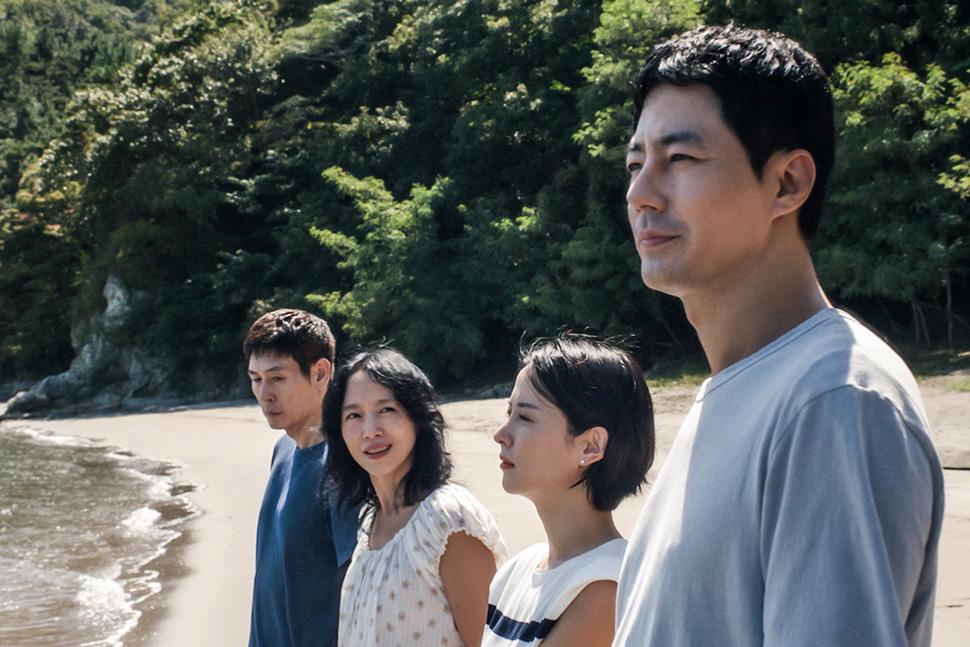
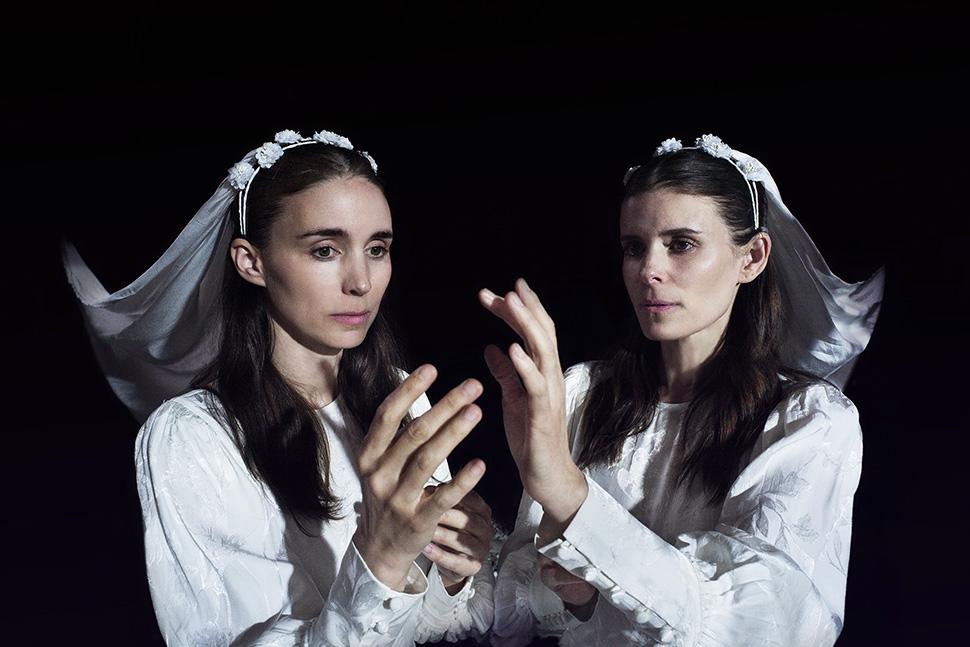
Lee Chang-dong is bringing “Possible Love”, which is his first film in eight years after “Burning”. Produced with the support of Netflix, the story centers on two married couples and stars Jeon Do-yeon and Sul Kyung-gu. Werner Herzog has cast Rooney and Kate Mara as inseparable twin sisters in the film “Bucking Fastard”. Hirokazu Kore-eda presents a 100-minute adaptation of Tatsuki Fujimoto’s manga “Look Back”—a story about two girls who dream of drawing comics; this marks his second film to appear in European competition programs this year. Shinya Tsukamoto and Nanni Moretti are also participating in the festival; the latter has brought a romantic comedy starring Louis Garrel.
Some of the most interesting works are featured in the “Orizzonti” (Horizons) program, and eight of the nineteen films there were directed by women. Anuparna Roy is one of them. She returns to the festival a year after becoming the first Indian filmmaker to win the Best Director award there for a debut film made after she left the IT sector and her native village in West Bengal. Her second feature “Lovers in the Blue Night” tells the story of four migrants in Mumbai. They are a husband concealing his sexual orientation, his wife who works in a bar, a thief, and a pimp. In the main competition, only one of the twenty films was directed by a woman, “Woman Unknown” by Danish filmmaker May el-Toukhy, a post-war drama in which a housekeeper’s engagement to her widowed employer is threatened by a wartime romance she had with a German soldier. According to festival organizers, the number of submissions from women dropped this year, and the quality of the films presented was not high enough. However, the “Orizzonti” competition contradicts this assessment.
Kino & Kunst
Cinema, art, and culture, since 2012.