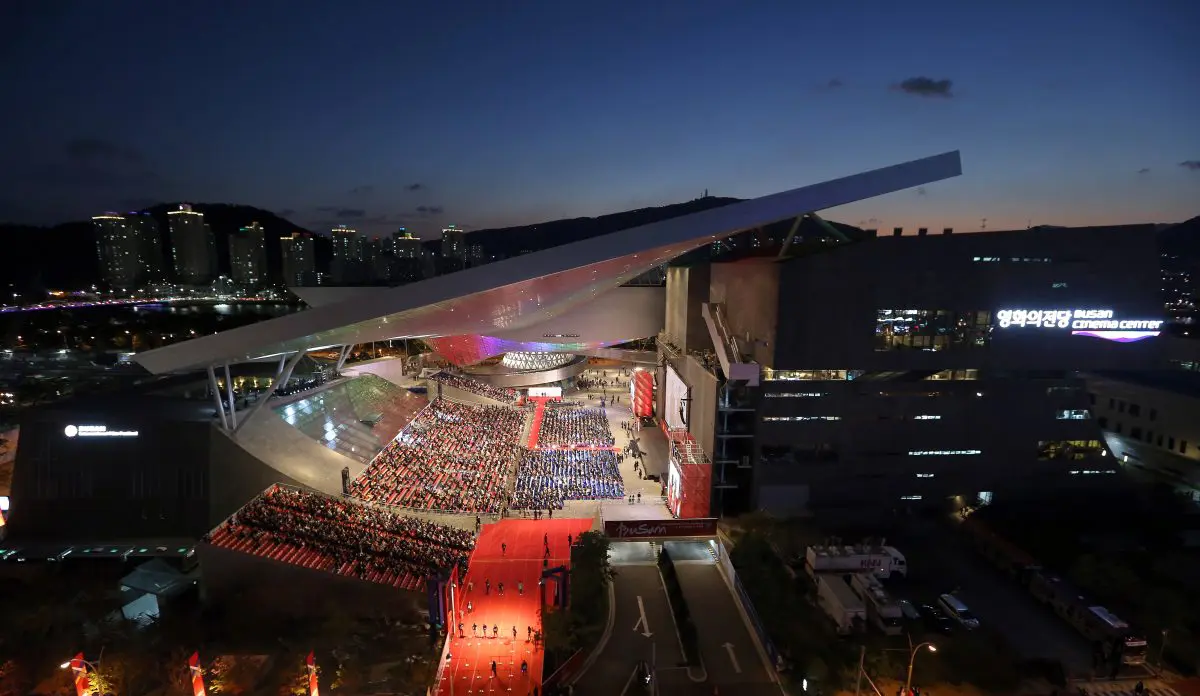
19 October 2026 — Even though the Busan Film Festival celebrated its 31st edition, the competition section is just two years old. This was the first edition since FIAPF placed the festival among the A-list, and the Busan Award for Best Film now opens a direct route to the Oscar for international feature. One would expect a selection with those stakes to show Asian cinema at its strongest. Seen across ten days, the competition left a rather different impression.
The Korean presence was the first surprise. “Long Long Night” by Youm Kyu-bock, an animated adaptation of a bestselling children’s book about the last northern white rhinoceros and a young penguin, is a sincere ecological fable, though it belongs in a family program, not in a competition that claims to chart the direction of Asian cinema. Kim Jung-hoon’s “Shaving”, the director’s first feature in thirteen years, is a psychological horror. It is framed as a conventional genre piece, a Rapunzel-style tale awkwardly recreating a psychological horror, and it lacks coherence. In adapting classic genre tropes, it pads out the runtime with cases through woods and wild-animals jump scares, exaggerating them while the underlying theme, recovery from domestic abuse, stays muddled. Even the skilled cinematographer and the K-pop star Shin Ryu-jin could not save the project. Alongside Lim Hayeon’s debut “Beach Fictions”, this made for a Korean competition slate weaker than the work the country showed in other sections, a strange outcome for the host nation.
Japan’s entries went in the same direction. Nanako Hirose’s “Between Two Lovers”follows a married woman who brings her female lover into the household when both her husband and her lover want a child. It is well made and often amusing, but it offers no experiments, no risk and nothing to rethink or reflect on, except perhaps how rewarding it is to be selfish. It is an accomplished independent film, but not a competition one, with when stronger Japanese titles such as “In My Father’s Room” (check our review https://kino-kunst.de/film/busan-2026-wie-viel-gefuhl-darf-ein-film-zeigen/) played in other sections.
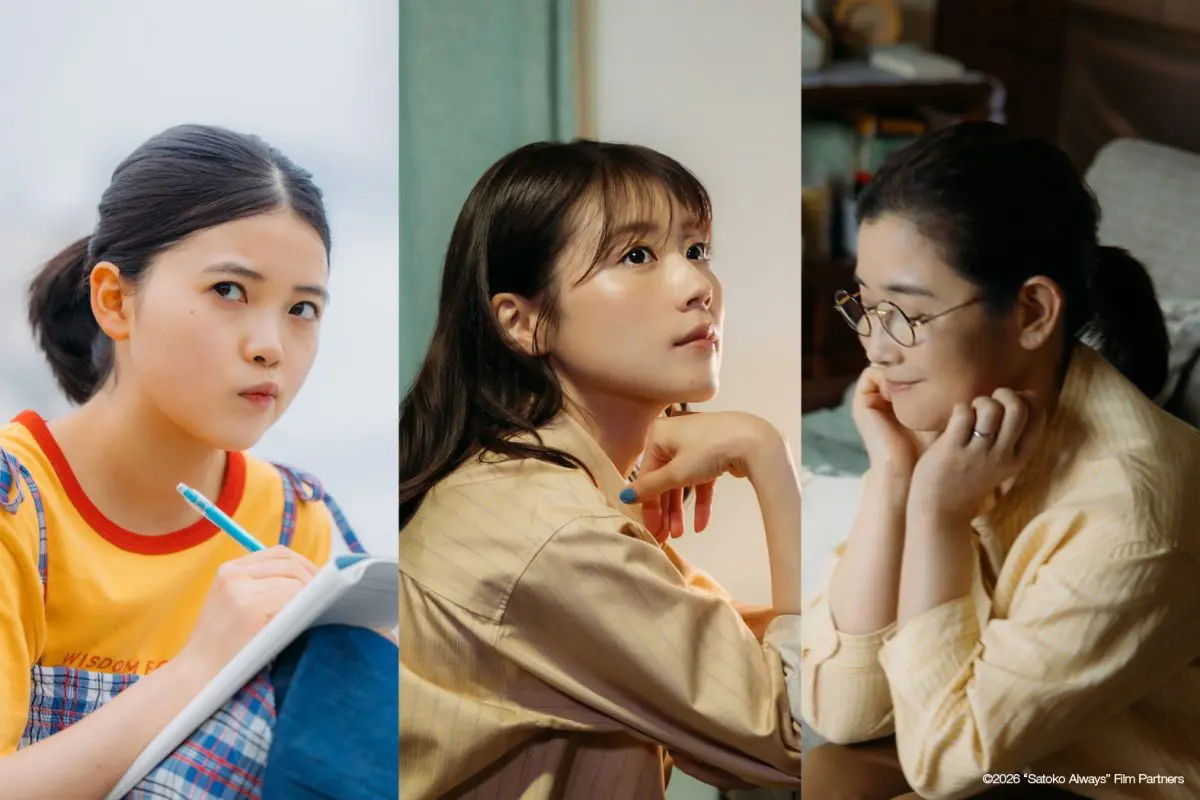
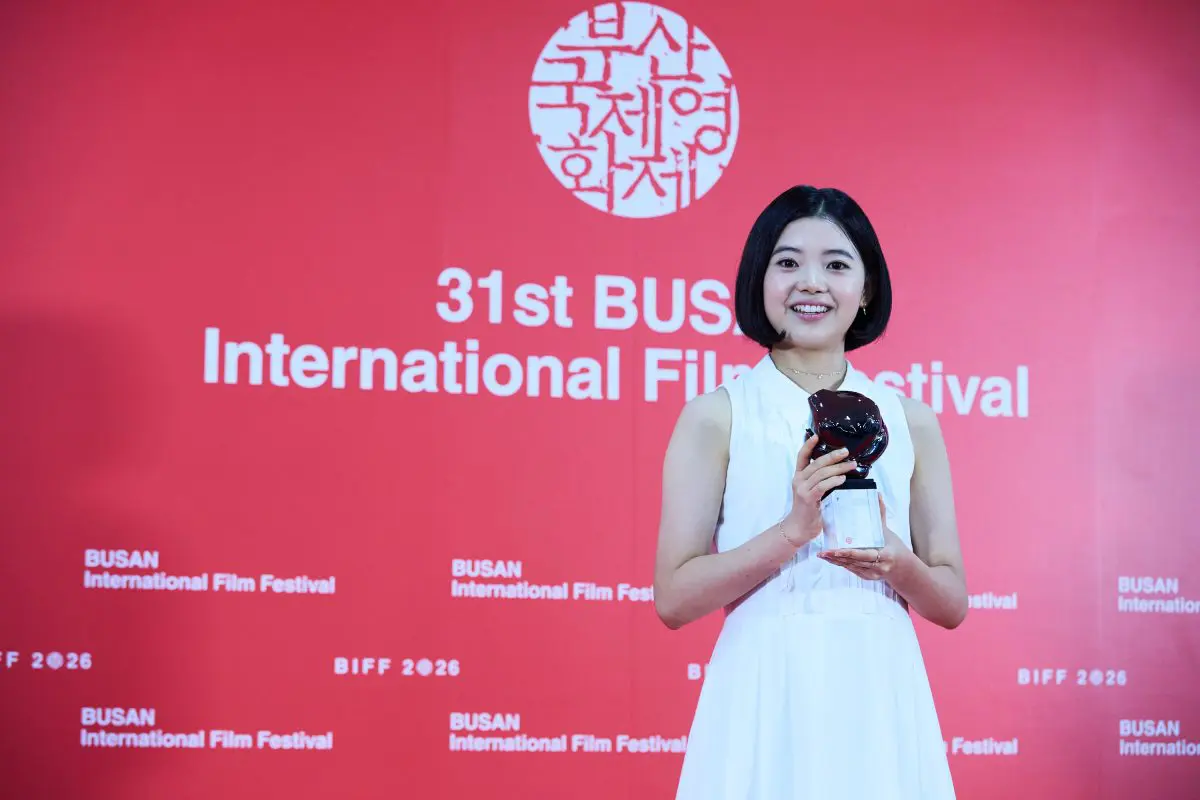
“Satoko Aways” by Shūichi Okita follows three heroines, each named Satoko, who express themselves through writing. It experiments with narrative and switches between reality and fantasy (as is typical for Japanese cinema and literature). It shows a willingness to explore, but not enough to make you want to rewatch it. The youngest of the tree, played by 16-years old Kashun Himeno, shared the Best Actor award.
From Uzbekistan, Botir Abdurakhmanov’s feature debut “Hilol” is about a young former Taekwondo champion living on a meagre smallholding in rural Uzbekistan. The girl’s identity and the outside pressure to push her into an arranged marriage are explored through quiet settings and a camera that stays on her face and figure in often close-ups, so that the audience feels her movements and expressions. The film feels a bit row, but it its 87 minutes the message reaches the viewer, even if it did not need to stay as long.
The most compelling cinema came from an unexpected corner, Indonesia, with two films, “Ibuku” and “The Sea Speaks His Name”.
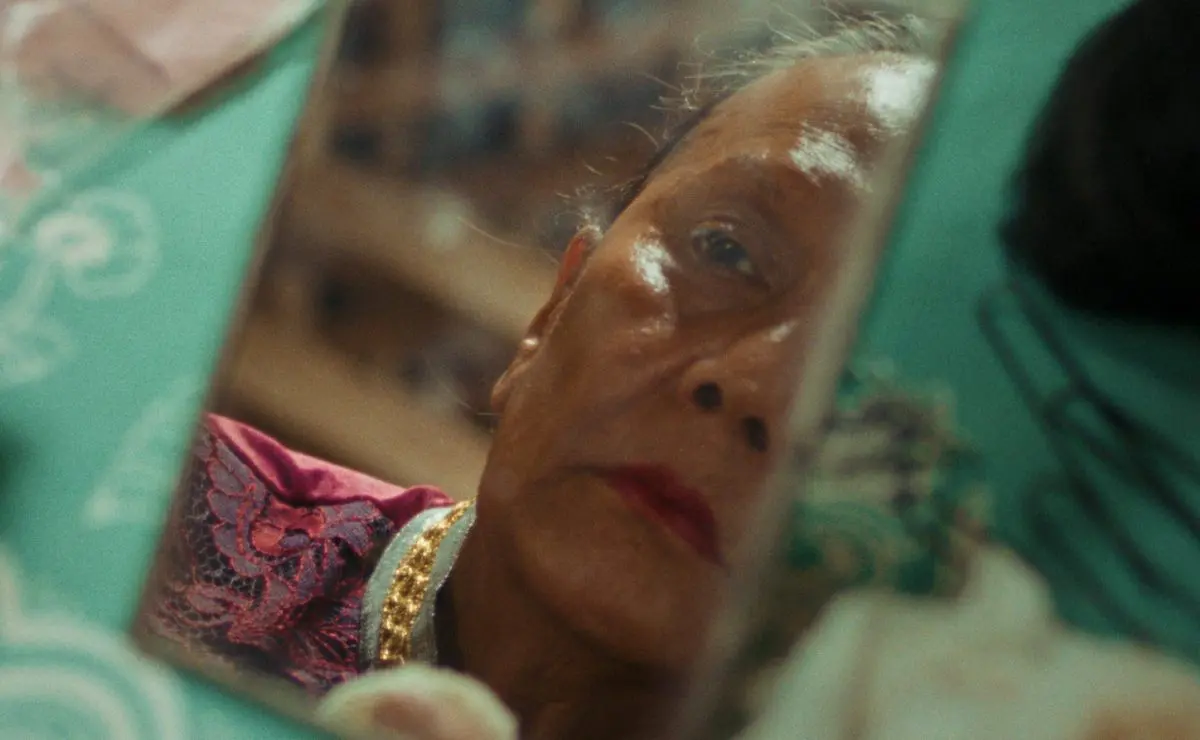
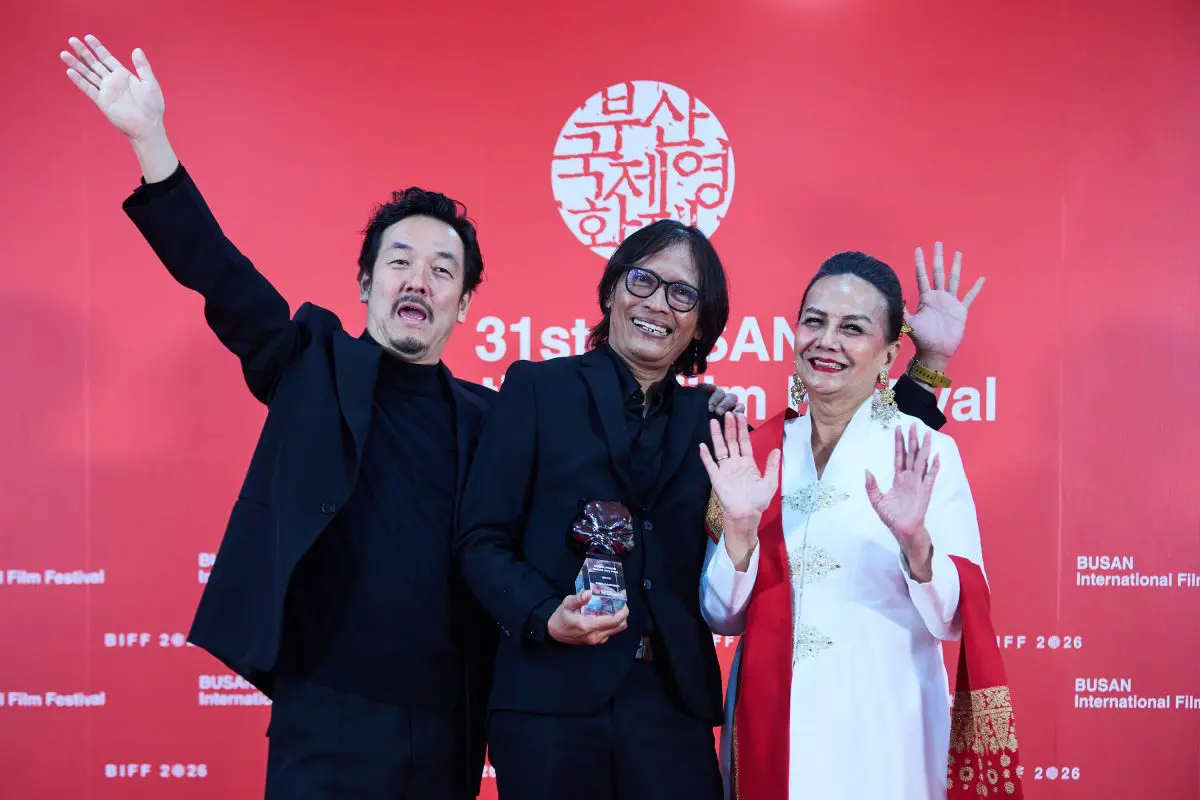
The first, in translation “My Mother”, follows a protective mother who tries to save what is left of her fractured family, though the fate reverse all her attempts and leaves even the strongest figure, amazingly performed by the veteran actress Christine Hakim, in ruins. Her daughter is jailed in a Saudi prison awaiting a death sentence for killing her employer in self-defense against attempted sexual assault. Back home, she had fled an arranged marriage meant to cover her stepfather’s gambling debts. The mother, feeling guilty, tries to scrape together everything she has for a last visit abroad. The narrative uses an abstract non-linear structure combined with mysterious rituals performed by mother, namely Jathilan, a Javanese trance dance with intense percussion rhythms and accompanied by shaman with performers becoming spiritually ‘possessed’. It is a way of opening the body for spiritual guidance and gaining supernatural physical immunity or, as in the film, of expressing a state of intense emotional catharsis and temporal breakdown in order to confront haunting memories and archive spiritual reconciliations. Even against, a background of parental failure, a family suicide, her daughter’s uncertain fate, financial and gender exploitation, the woman gathers all her strength to give something to others and to her community, bringing water to her village. Eddie Cahyono, an acclaimed Indonesian filmmaker, returns to feature-length format after his 2014 hit “Siti”. He shot the whole film on grainy 16mm with cinematographer Muhammad Firdaus. The film received the second most important award, the Special Jury Prize.
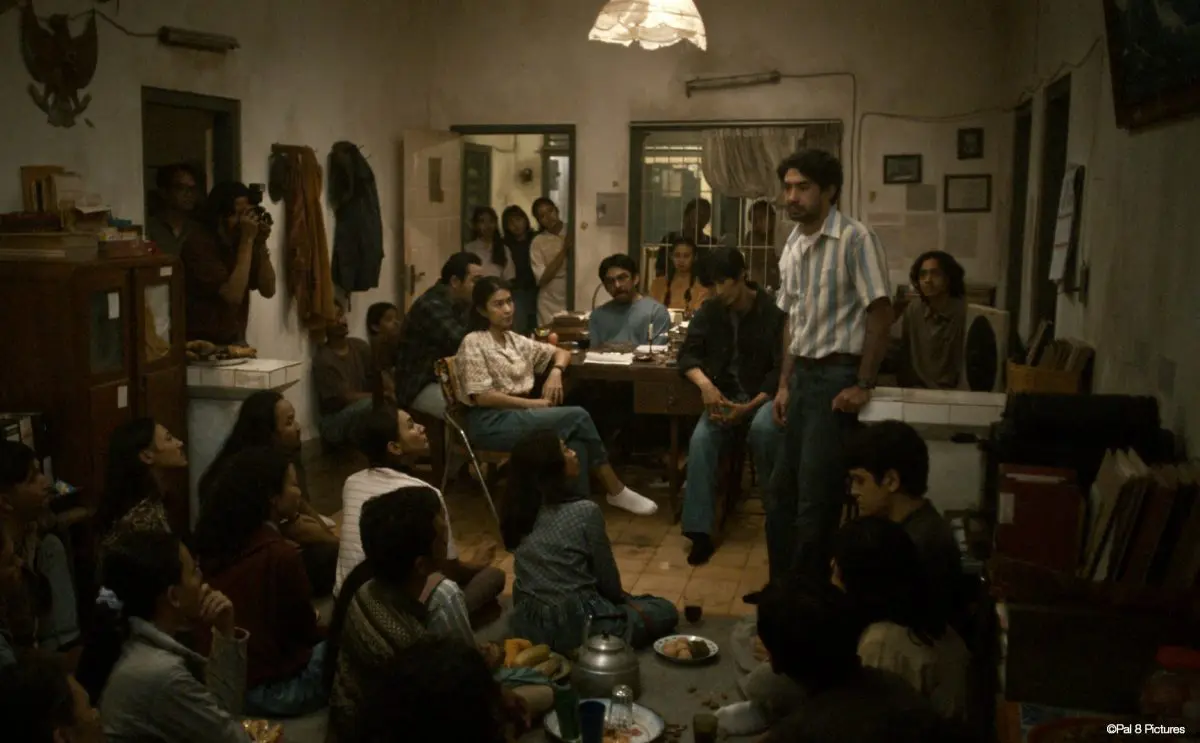
Yosep Anggi Noen’s “The Sea Speaks His Name”, another of the strongest entries in the competition, is adapted from Leila S. Chudori’s 2017 novel of the same title. It follows university students in Yogyakarta in the 1990s who meet to read books banned by Suharto’s New Order. The almost Gandhian, non-violent resistance of the country’s young intellectuals finds no mercy from the supporters of the regime. They want to read and speak out, but the dictatorial, corrupt state answers with surveillance, years in hiding, pressure on their families and, finally, forced disappearance. The film focuses on young people who are curious, gifted and eager to live, children of educated families whose futures are taken by a power that decides arbitrarily whom to spare and whom to erase. Over 134 minutes, with Reza Rahadian as the activist Laut and Christine Hakim as his mother, the film moves from a reading circle to the fate of a generation. The story can be linked to many democratic movements in Asia, be it Gwangju or the Philippines. Of all the films in competition, it spoke most directly to Korea’s own history, and to a present in which states still decide whose voices may be heard. The film went home empty-handed, with no award or any recognition.
Looking at the final winners list chosen by the jury headed by the Chinese filmmaker Zhang Yimou, no social or political content was awarded, an no voice that might raise real questions. Is it censorship? Did the jury not dare, especially after the Chinese Film “Descendants” by Chen Jiwen withdrew from the competition before the festival? Nevertheless, the jury made a consistent choice and rewarded private, intimate and often sentimental stories, passing over the films that took on a society, a state or a generation.
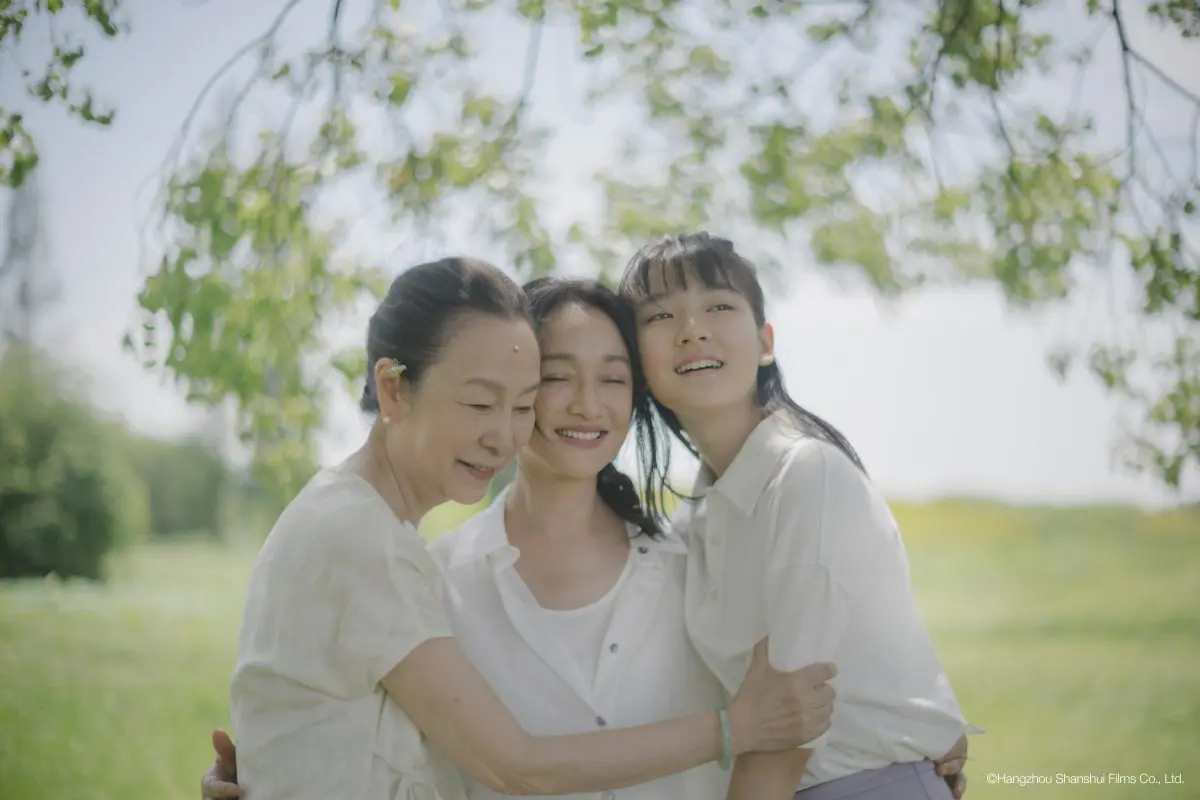
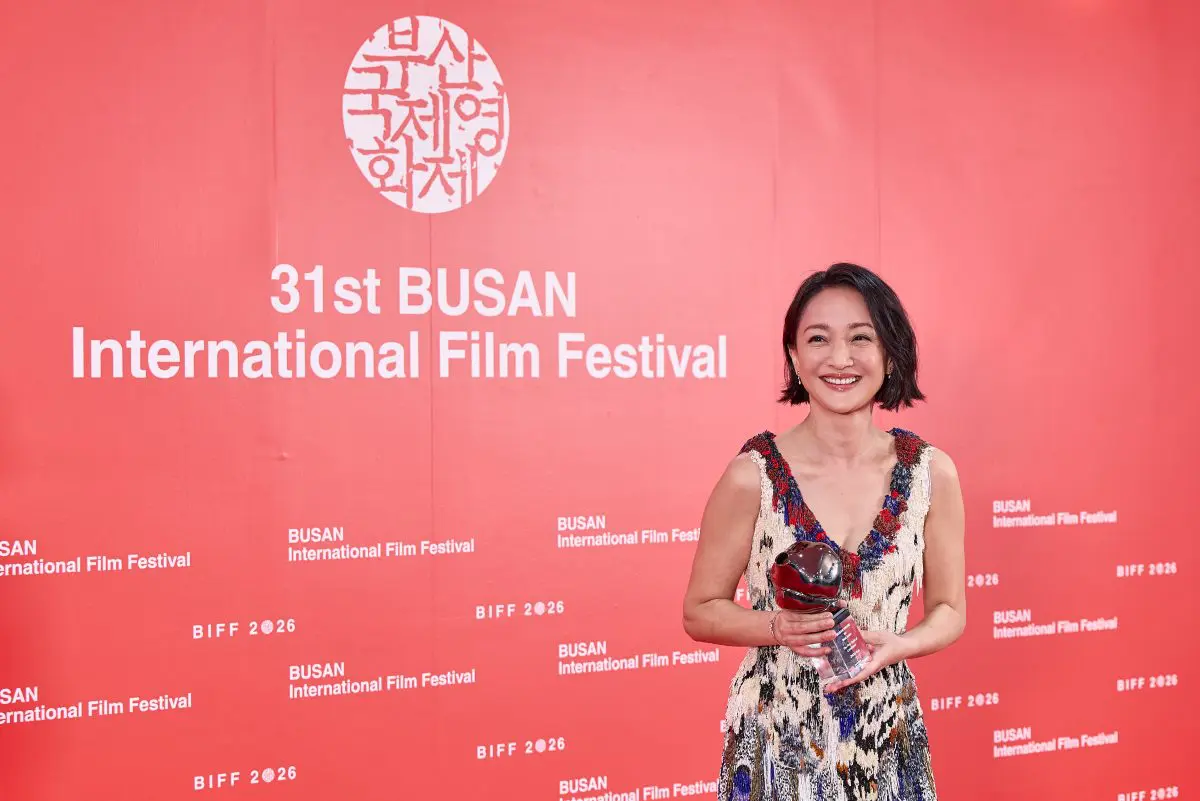
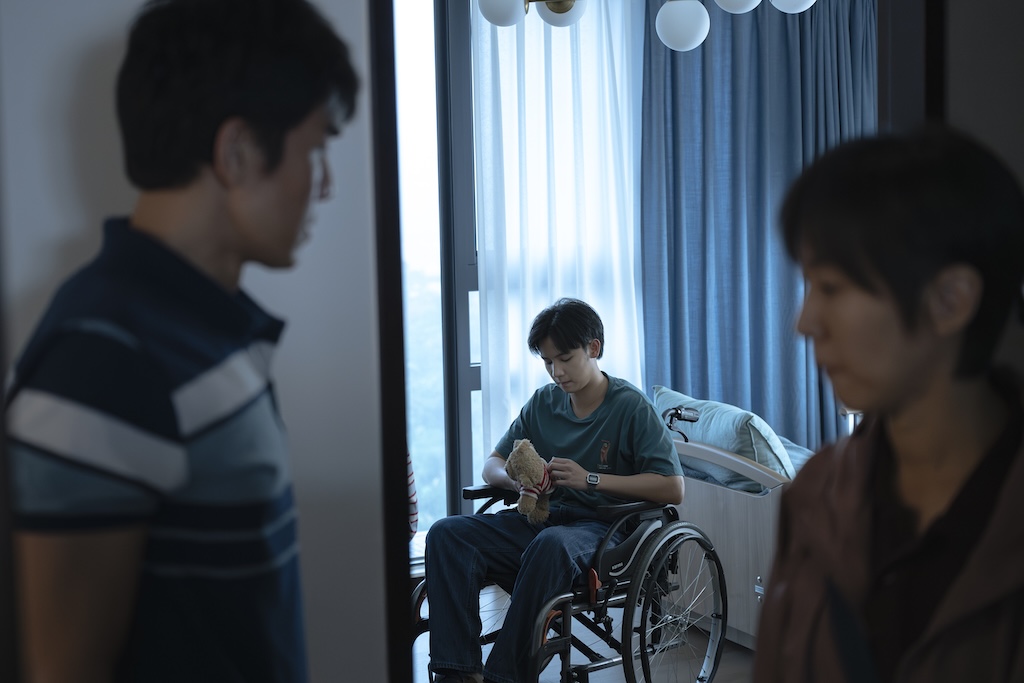
“The First Taste of Loneliness”, by the Chinese filmmaker Gu You, which closes his Shan-Shui trilogy, took two prizes, Best Actor for Zhou Xun and the Artistic Contribution award for sound designer Li Danfeng. The film about three generations of women mourning the family patriarch is poetic film full of sentiment sliding into cliché, with tears summoned more often than earned. Best Director went to the Taiwanese director Lee Yun Chan for “To Be Ordinary”. The story is about a young man who is hit by an elderly driver while riding his motorcycle and left disabled, while his family slowly gives way around his decline. Even though the tragedy is real and the film is sincere, the genre is melodrama, carefully made, and it never leaves the walls of one family’s grief. As a prize for direction, it is hard to justify in a year when another film turned the disappearance of a generation into cinema of real scale.

Taken together, these choices point to a jury more at ease with personal stories than with films that address a society, a political system or a historical wound. Compare this with the major awards of the year in festivals like Cannes or Venice, where European cinema is routinely expected to justify itself socially. This year Cannes prizewinner, “Fjord” by Christian Mungiu, moves from an intimate problem to a societal, democratic and philosophical one. Venice gave its Golden Lion to “Woman Unknown” by the Danish-Egyptian filmmaker May el-Toukhy, which even though the prism of history, observes authoritarian forces, societies burying the darkest sides of their history, and the contradictions of geopolitics, nations and gender.
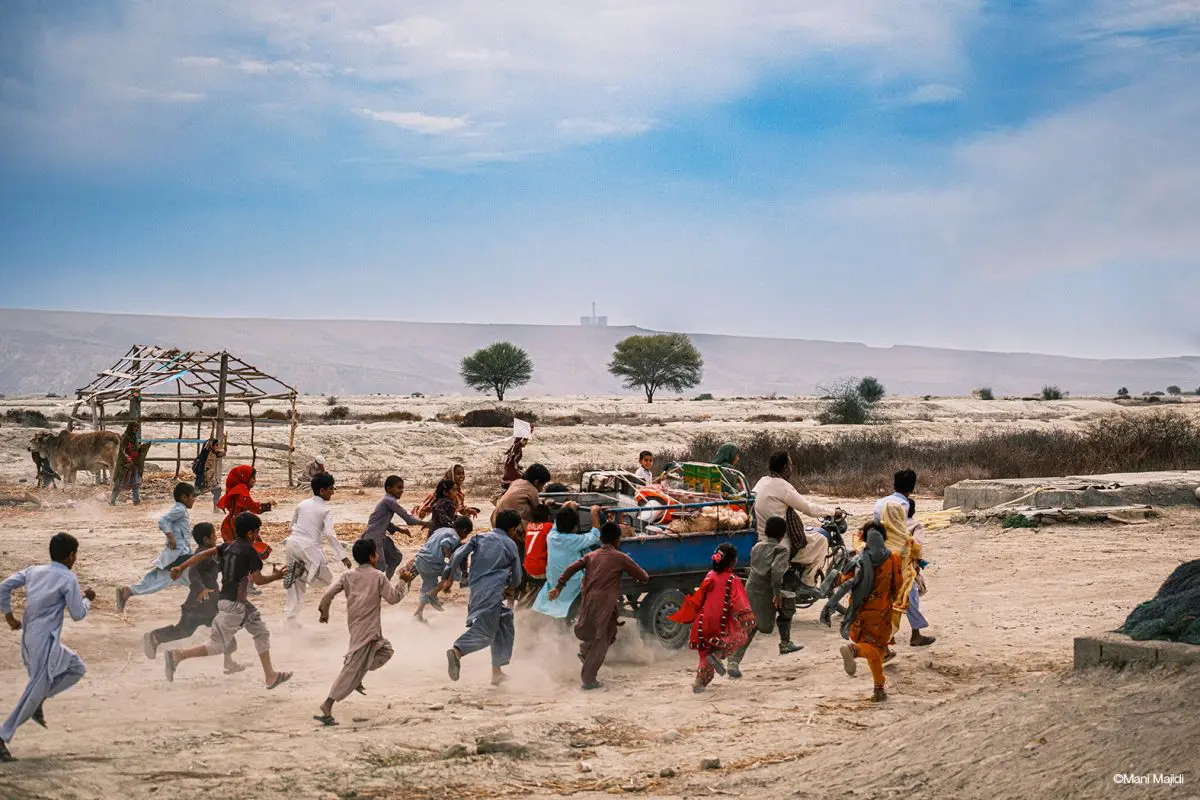
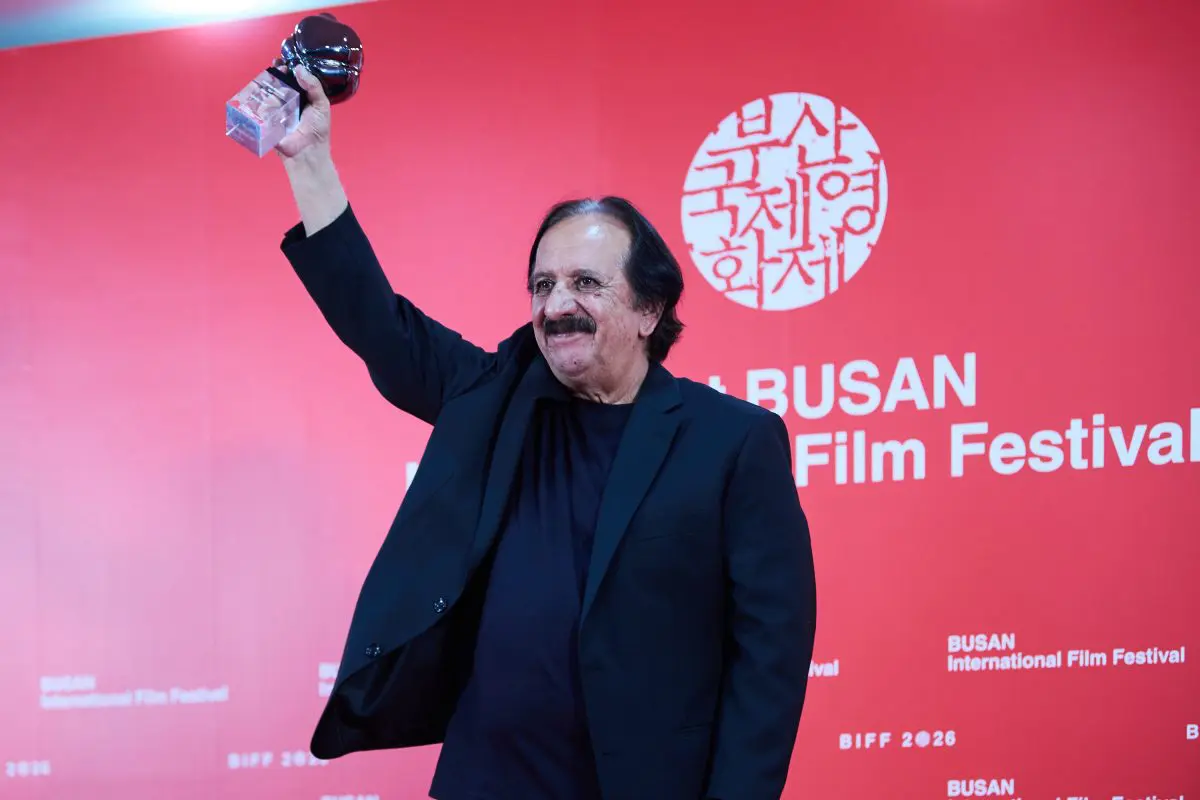
The winner of the competition was Majid Majidi’s “Midday Meal”, which Zhang Yimou called the ideal film. The Iranian filmmaker Majidi, best known for “Children of Heaven” (1997), the first Iranian film nominated for the foreign-language Oscar, was in Busan for the first time. His film follows Davoud Soulan, an aged contract teacher in a remote village in southeastern Iran, whose pupils come largely for the free lunch a private benefactor pays for. When the benefactor dies and the meals stop, the school’s survival depends on how far the teacher is willing to go, and he goes as far as fuel smuggling to keep the lessons going. Its humor is dry and humane, the non-professional cast led by Mohammad Rahimi is persuasive, and the final irony lands with force. The children prove they came to learn as well as to eat, a resolution that is genuinely touching. Yet the film leans heavily on sentiment, and at over two hours it repeats itself: the teacher’s journeys to and from the village are shown at a length the story does not need, while its political background, a state absent from a forgotten province, remains mere settings. “Midday Meal” is, in the end, a private story about one man, his school and his mother, told with craft. Set against a film about a generation erased for reading books, it is a modest choice for a prize that now carries an Oscar route.
A competition in its second year is still finding its character, and Busan has earned the patience: no other festival in the region offers Asian cinema so wide a stage. The question for the third edition is whether its jury will be bold enough to crown the films that ask something of their societies, and not only those that comfort.
Busan Award 2026: the winners
| Award | Winner | Film | Country |
| Best Film | Majid Majidi | Midday Meal | Iran |
| Best Director | Lee Yun Chan | To Be Ordinary | Taiwan |
| Special Jury Prize | Eddie Cahyono | Ibuku | Indonesia / Japan |
| Best Actor | Zhou Xun | The First Taste of Loneliness | China |
| Best Actor | Kashun Himeno | Satoko Always | Japan |
| Artistic Contribution | Li Danfeng (sound) | The First Taste of Loneliness | China |
Jury: Zhang Yimou (president), Bi Gan, July Jung, Samal Yeslyamova, Kei Ishikawa, Tran Thi Bich Ngoc, Choi Hee-seo.
Kino & Kunst
Cinema, art, and culture, since 2012.