20 August 2026 — Portugal, and Lisbon in particular, is on everyone’s lips in recent days, whether among tourists looking for a summer destination or expats seeking a new place to call home. Indeed, this popular European capital offers a variety of choices, from the art exhibitions and renowned music festivals to fine dining, fashion and design.
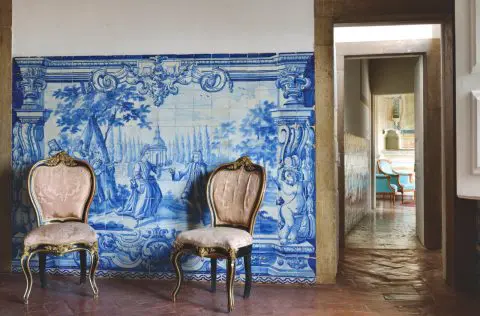
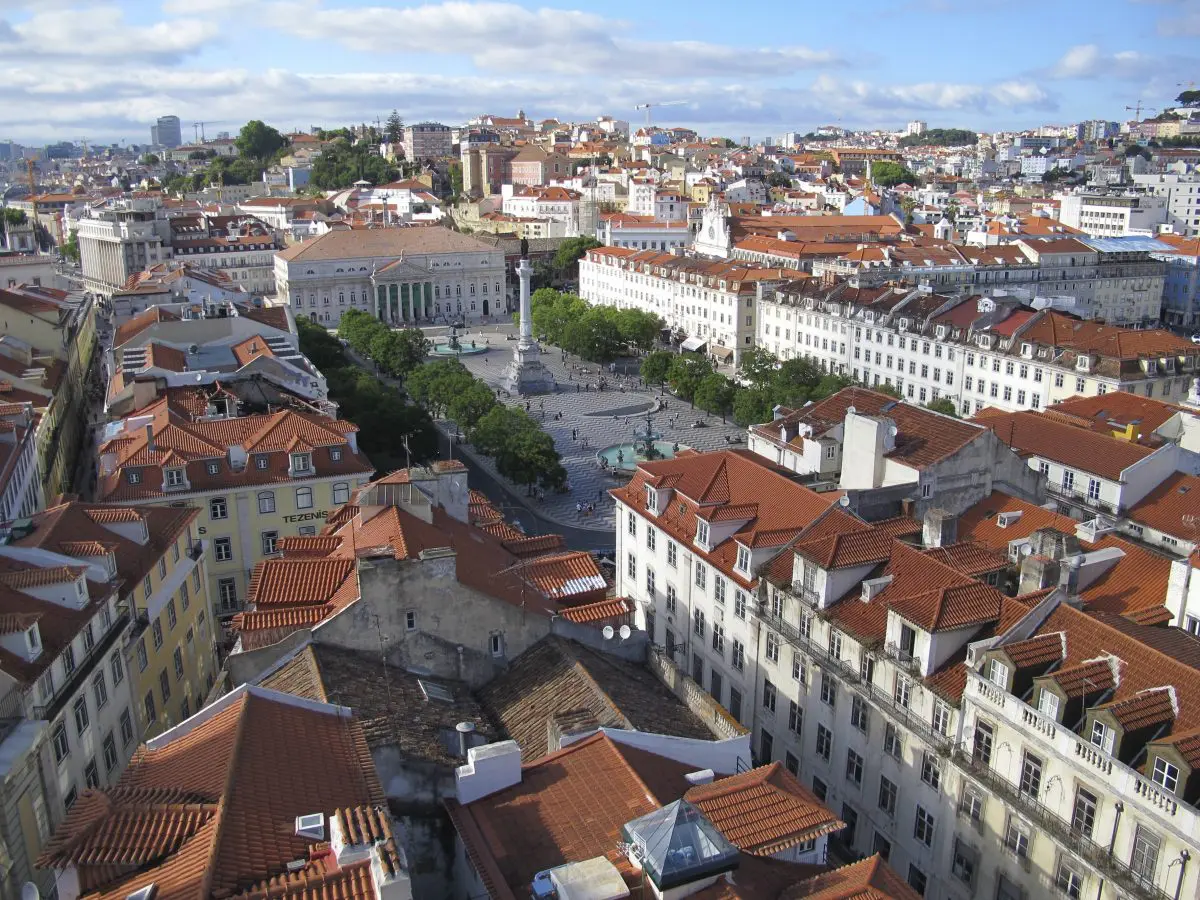
Lisbon is built on seven hills, so comfortable shoes are a must for exploring the city on foot. Start with one of the city’s famous squares: Praça da Figueira, Praça do Comércio, Rossio, and Praça dos Restauradores, which form a grand architectural axis connected by straight, elegant streets that showcase the city’s unique Pombaline style of urban planning. It was named after the Marquis of Pombal, who proposed how to turn a messy medieval town into a grand, royal masterpiece. Along the way, admire the azulejo tiles adorning the facades of small houses with flower-filled balconies, or pause by a cozy café to catch the nostalgic strains of fado — Portugal’s soulful musical tradition. For those who do not like to walk, the iconic Tram 28 offers a good alternative. It still runs through the city center and the ride itself is an adventure. That said, it is best to board at the Martim Moniz stop before 9:00 a.m. and keep your bag in front of you, as this is the city’s busiest route.
Lisbon’s Best Views
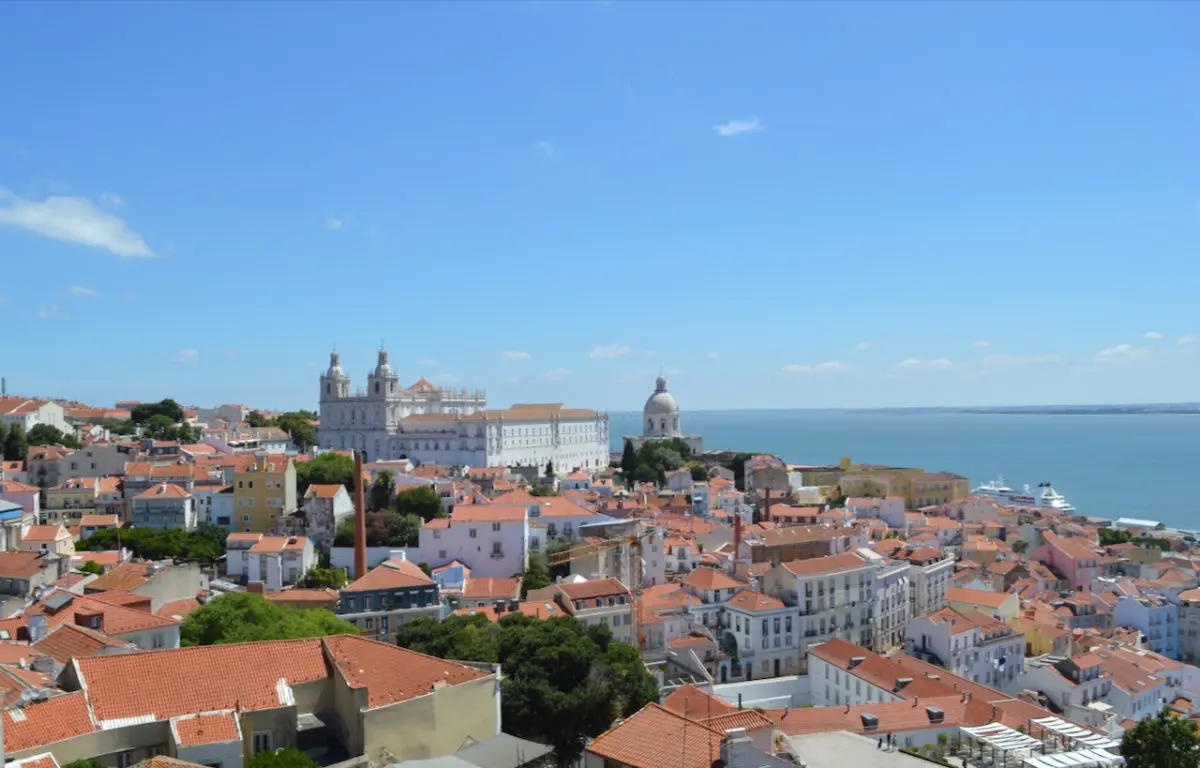
Lisbon is older than Paris or London, though the earthquake of 1755 brought down most of what stood here, and much of what we see was raised again afterwards. The first mention of a settlement on the right arm of the Tagus goes back to the second millennium before Christ, and the oldest surviving structure is the medieval Castelo de São Jorge, built as a residence for the city’s rulers and later put to military use. If you are short on time, don’t go inside. Apart from the fine view there is nothing remarkable in it, and its fortifications are visible from almost any point in the city.
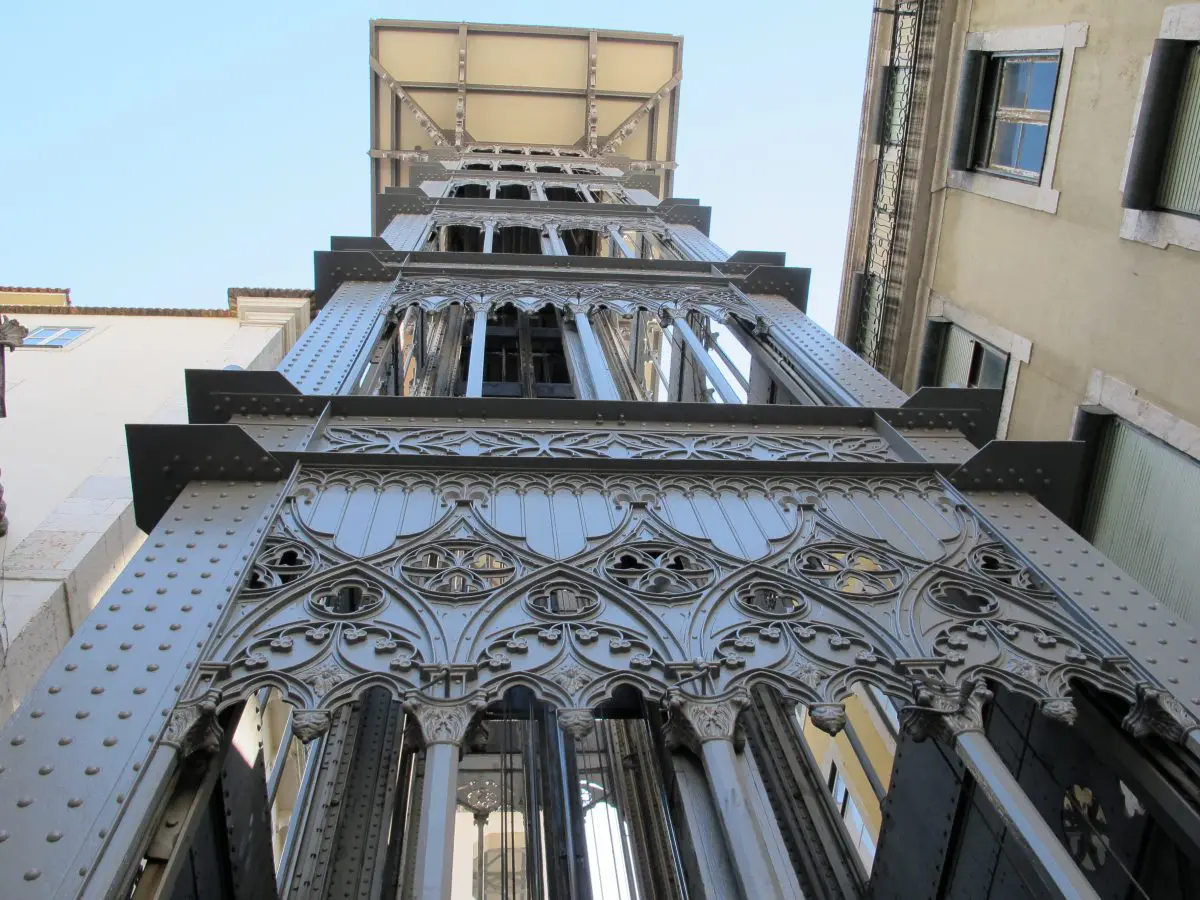
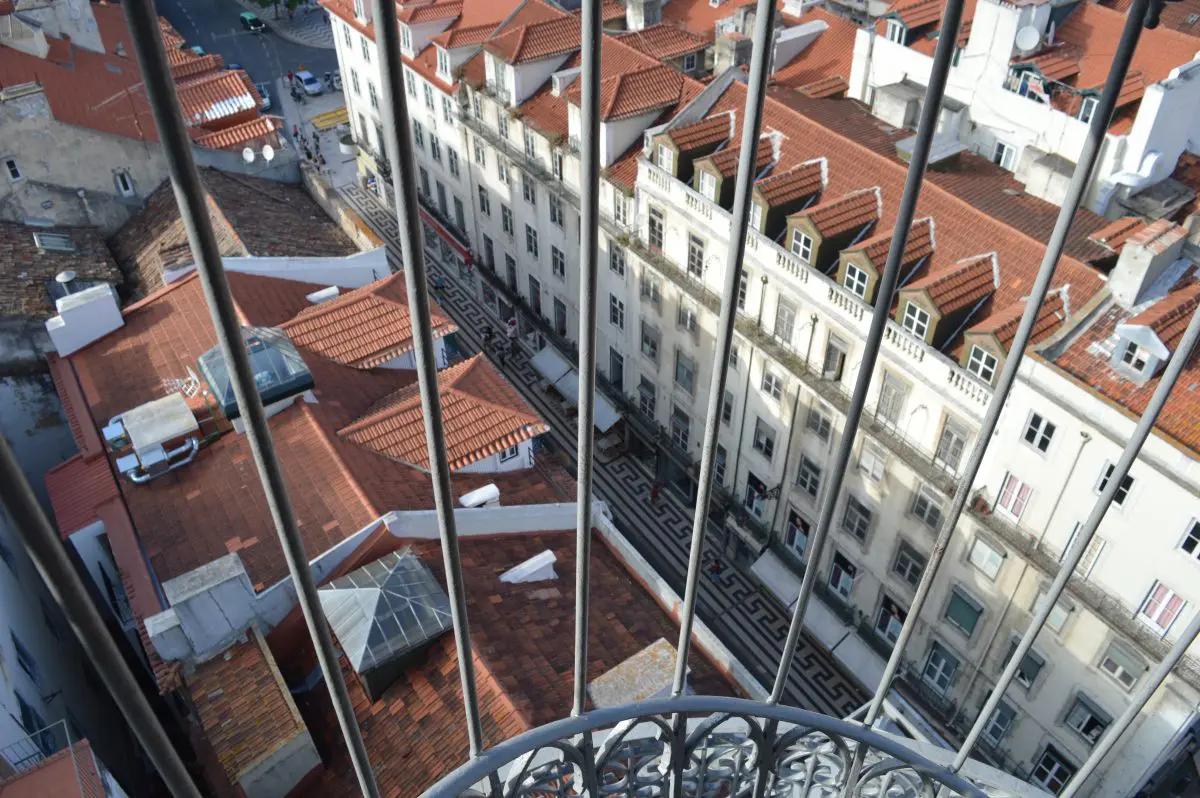
Until recently, a city visitor could save energy by taking the small funiculars that have been ferrying passengers up Lisbon’s steep slopes since the 1880s. Currently, however, they are out of service, as is the famous Santa Justa Lift—a neo-Gothic wrought-iron tower whose two wooden cabins once whisked passengers up the equivalent of seven stories. Yet the view of the city remains, and it is as marvelous as ever. To see it, simply walk through the Chiado district toward the ruins of the Carmo Convent, take the path to the right, and you will arrive at the same panoramic viewpoint overlooking the rooftops without spending a cent or waiting in line.
A more striking survey of Lisbon and the Mar da Palha opens from the Miradouro da Senhora do Monte, where a small church stands at the top of the climb. By tradition every pregnant woman should come here on her own two feet and sit in the famous chair inside, to be safely delivered when her time comes. Another viewpoint waits at the head of Parque Eduardo VII, looking down across the green labyrinth of hedges to Praça Marquês de Pombal and the Avenida da Liberdade.
Churches and palaces
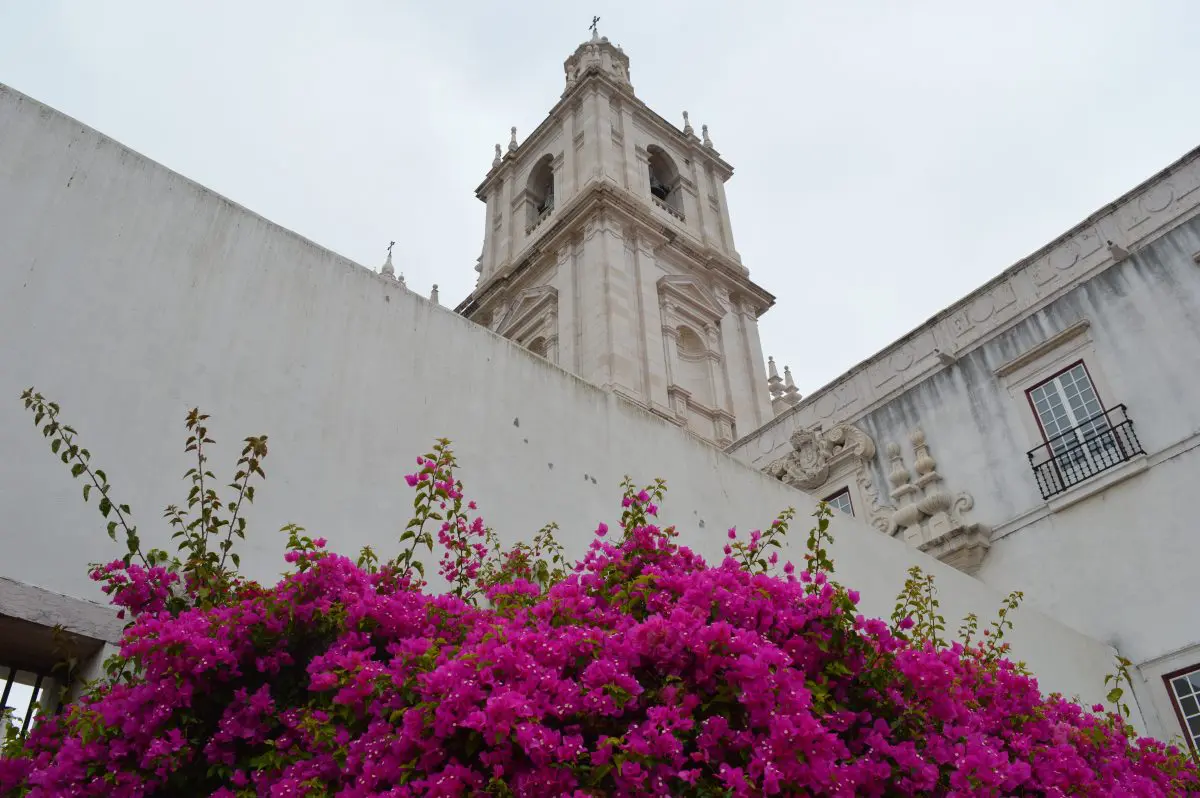
There are several hundred churches in Lisbon and perhaps four that are the most beautiful. São Vicente de Fora, begun in 1582 under Philip II of Spain and finished in 1629, is worth the walk for the eighteenth-century tiled murals in the monastery cloister. São Roque holds one extraordinary thing, the Chapel of St John the Baptist, which was built in Rome and shipped to Portugal in several vessels. The Basílica da Estrela, commissioned in 1779 by Maria I in fulfilment of a vow for her son José and finished eleven years later after his sudden death, draws the eye outside with three colors of marble — grey, pink and yellow — and holds inside Machado de Castro’s nativity of some five hundred separate figures. And Santa Engrácia was worked on so slowly, from the seventeenth century until 1966, that “the works of Santa Engrácia” passed into Portuguese as the name for a job that never ends; it is now the National Pantheon, where the country’s celebrated dead are buried. The Sé you will pass on your way into Alfama, and may look into if the door stands open.
For the palaces, we recommend Ajuda. Construction began in 1796 to replace a royal residence lost to fire. It stood unfinished for generations, and became the royal family’s official home only in 1861 under Luís I. The west wing, a recent addition, houses the Museu do Tesouro Real, the crown jewels of Portugal, more than a thousand pieces behind airport-grade security with lockers at the door. It opened in December 2022, and it is best to see the palace first and the treasury afterwards.
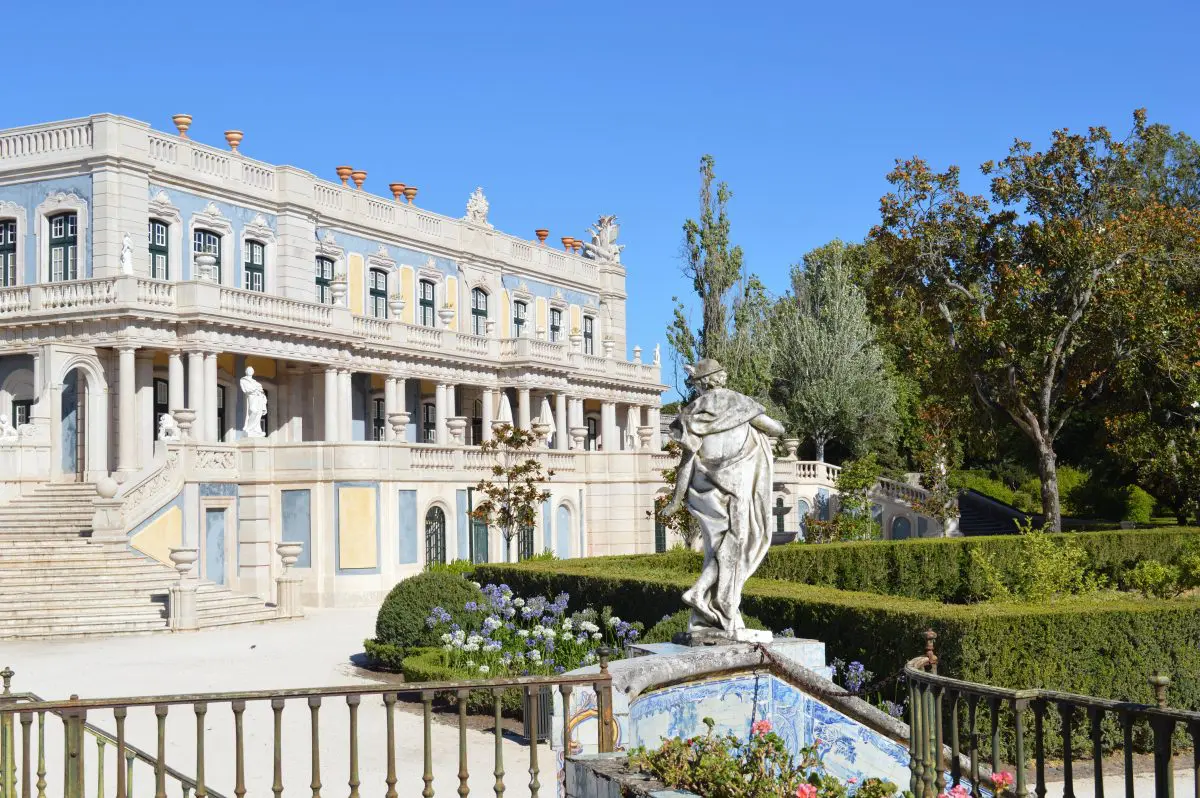
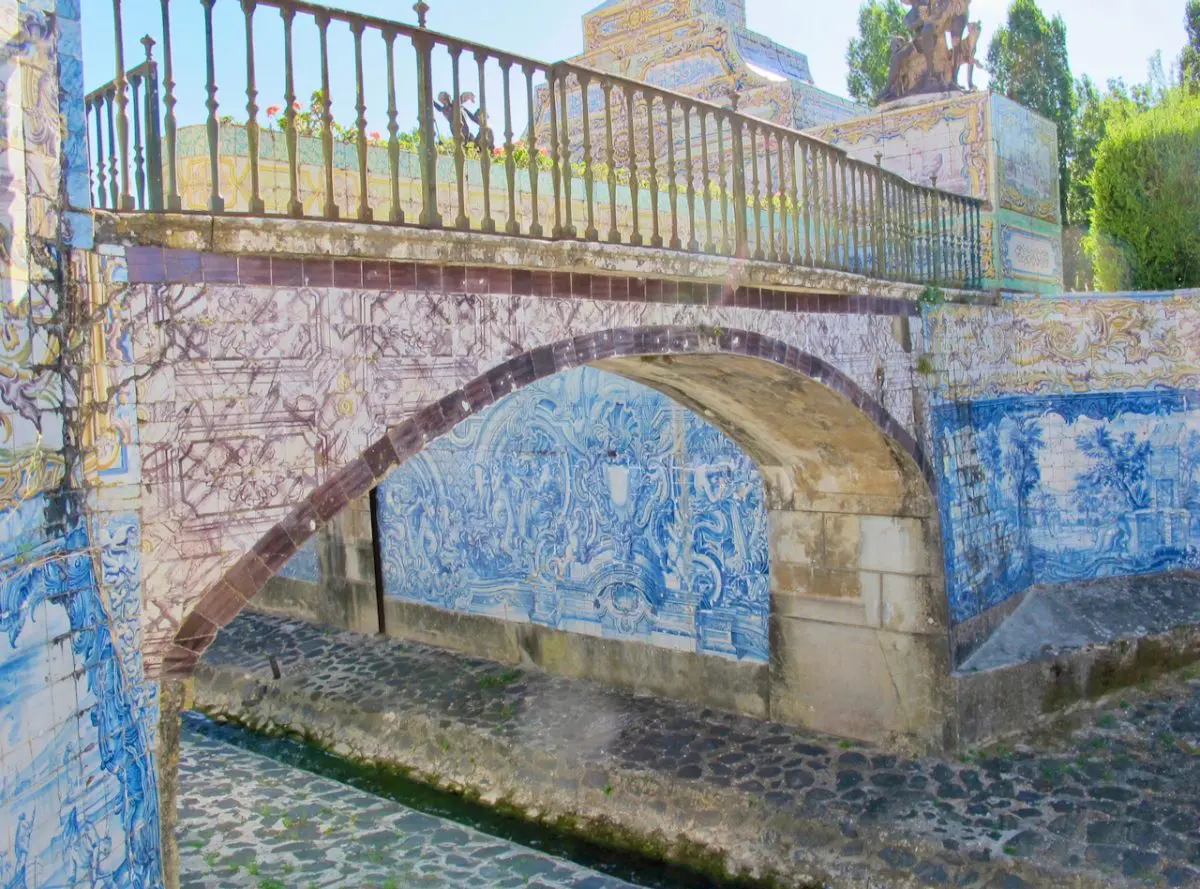
The most elegant ensemble is however at Queluz, the last great Rococo building in Europe, put up in the eighteenth century as a summer residence for Dom Pedro of Braganza and Maria I. Inside, look into the music room built like a grotto, the throne room by Jean-Baptiste Robillion, and the king’s bedchamber, where a domed ceiling rests on columns of mirrored glass painted with scenes from Don Quixote. Afterwards we recommend taking a walk in the gardens with the French parterres and the canal faced in azulejo. Take the Sintra train from Rossio to Queluz-Belas, seventeen minutes, and walk ten from the station; a car from the center runs to about 20 euros.
Museums
Lisbon has even more museums than churches, though few are truly remarkable, and some are closed at the moment. The National Museum of Ancient Art (Museu Nacional de Arte Antiga), closed since September 2025, is scheduled to reopen later this year, unveiling the restored “Panels of Saint Vincent” to the public. The National Tile Museum (Museu Nacional do Azulejo) and the National Archaeological Museum (Museu Nacional de Arqueologia) are also closed for renovation.
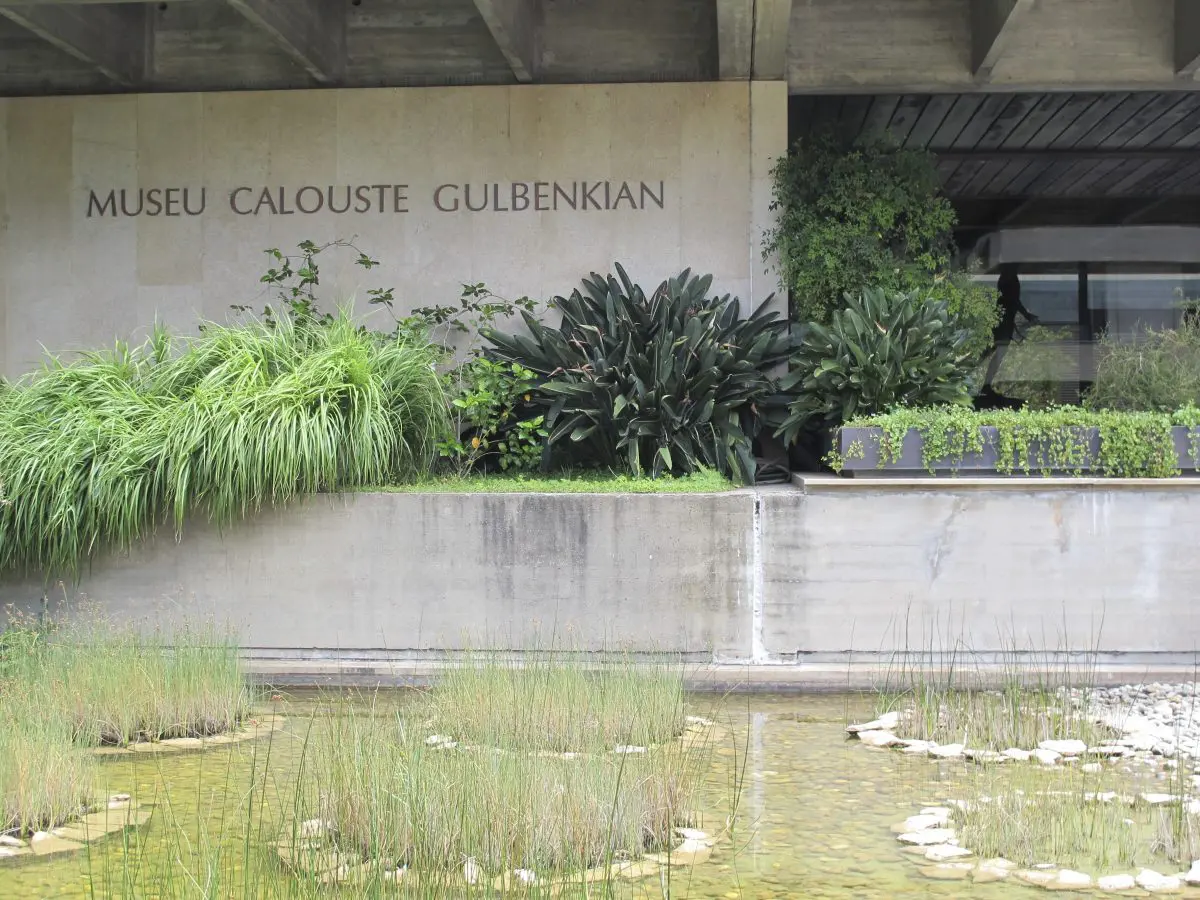
However, the Calouste Gulbenkian Museum (Museu Calouste Gulbenkian) is a must-visit. Established in 1956 by an Armenian oil magnate, the main museum contains works by Rubens and Rembrandt, examples of French decorative art, and 150 pieces by Lalique commissioned personally by Gulbenkian. Both the museum and the Modern Art Center (CAM) have recently undergone renovation; the latter project was designed by Japanese architect Kengo Kuma (marking his first completed building in Portugal). The building features a 100-meter-long canopy made of silvery panels that seems to draw visitors inside—beneath a wooden ceiling—before leading them out into a new 7,500-square-meter garden. Beneath this space lies the world’s largest collection of contemporary Portuguese art, comprising approximately 11,000 works. You could easily spend a full day exploring both museums, perhaps pausing for lunch in the garden.
The MUDE Museum of Design and Fashion, located on Rua Augusta, occupies a former bank, whose vault now serves as an exhibition space where massive safe doors are still visible. The museum showcases works by Balmain, Paco Rabanne, and Gaultier, an extensive collection of designer eyewear, and the dresses and jewelry of famous Fado singers—most notably Amália Rodrigues. Tickets cost around 11 euros.
The city’s major new attraction is the MACAM museum, which opened in March 2025 at the Palácio Condes da Ribeira Grande. Located between the Alcântara and Belém districts, this 18th-century building had long fallen into disrepair but was restored so masterfully that the project won the Gulbenkian Prize for cultural heritage preservation. Inside, the museum showcases six hundred works of contemporary art (including pieces by Paula Rego, Júlio Pomar, and Marina Abramović), while a new exhibition wing has been added to the historic structure. Its façade is clad in three-dimensional tiles created by ceramicist Maria Ana Vasco Costa — arguably the most inventive modern reinterpretation of traditional “azulejos”. Accommodation is also available on-site.
If you are interested in Portuguese art from the modern and contemporary eras, the Museu Nacional de Arte Contemporânea is at your disposal. It is situated on Rua Serpa Pinto in the Chiado district, which rises above the “chessboard” grid of the Baixa neighborhoods.
Belém
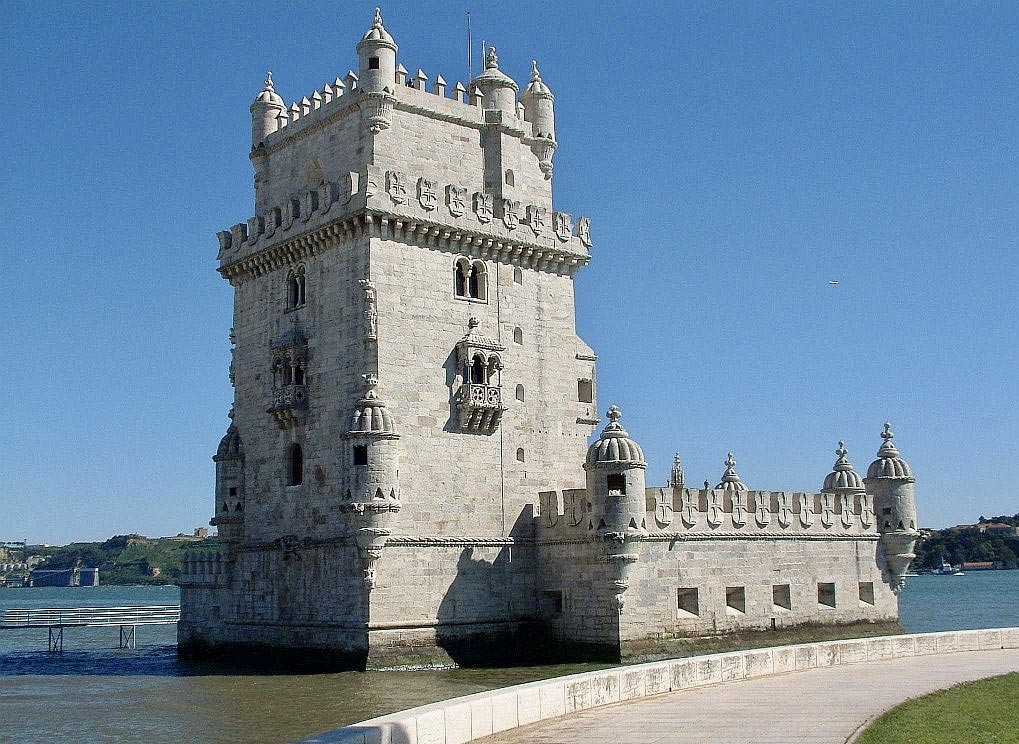
The famous district of Belém lies just a five-to-seven-minute drive from the city center. Standing guard on the approach from the Atlantic is the Belém Tower (Torre de Belém), built in the 1510s by order of Manuel I to welcome ships entering the port and to signal warnings of potential attacks. Manuel’s reign marked the golden age of Portugal as a maritime power — a time of peace and prosperity. This earned the monarch the nickname “the Fortunate”, while the architectural style of the era became known as “Manueline” — a Portuguese take on the Renaissance that incorporated Gothic and Moorish elements. The tower is probably more impressive from the outside than the inside. It reopened in May 2026 after a year of restoration, and entry is limited to sixty people every half hour, with a daily cap of nine hundred visitors. You can book tickets in advance or simply admire the tower from the shore.
Nearby stands the Jerónimos Monastery, the final resting place of Portuguese kings. It was built in the same architectural style, funded by the spice trade that flourished following Vasco da Gama’s maiden voyage to India. Both the monastery and the tower are UNESCO World Heritage sites.
Behind the monastery lies a famous pastry shop that draws crowds of tourists. The recipe for “pastéis de nata” (custard tarts) originated within the walls of Jerónimos; when the monastery faced closure, the monks sold their secret to the owner of a nearby sugar refinery. He opened the café in 1837, and the preparation method has remained unchanged ever since. While you can find competitors on every street corner in Lisbon today, none of them possesses the original recipe. Visit before 10:00 a.m. or after 6:00 p.m. if you want to avoid spending half the day waiting in line.
Kino & Kunst
Cinema, art, and culture, since 2012.