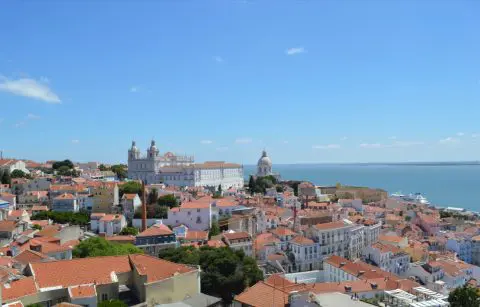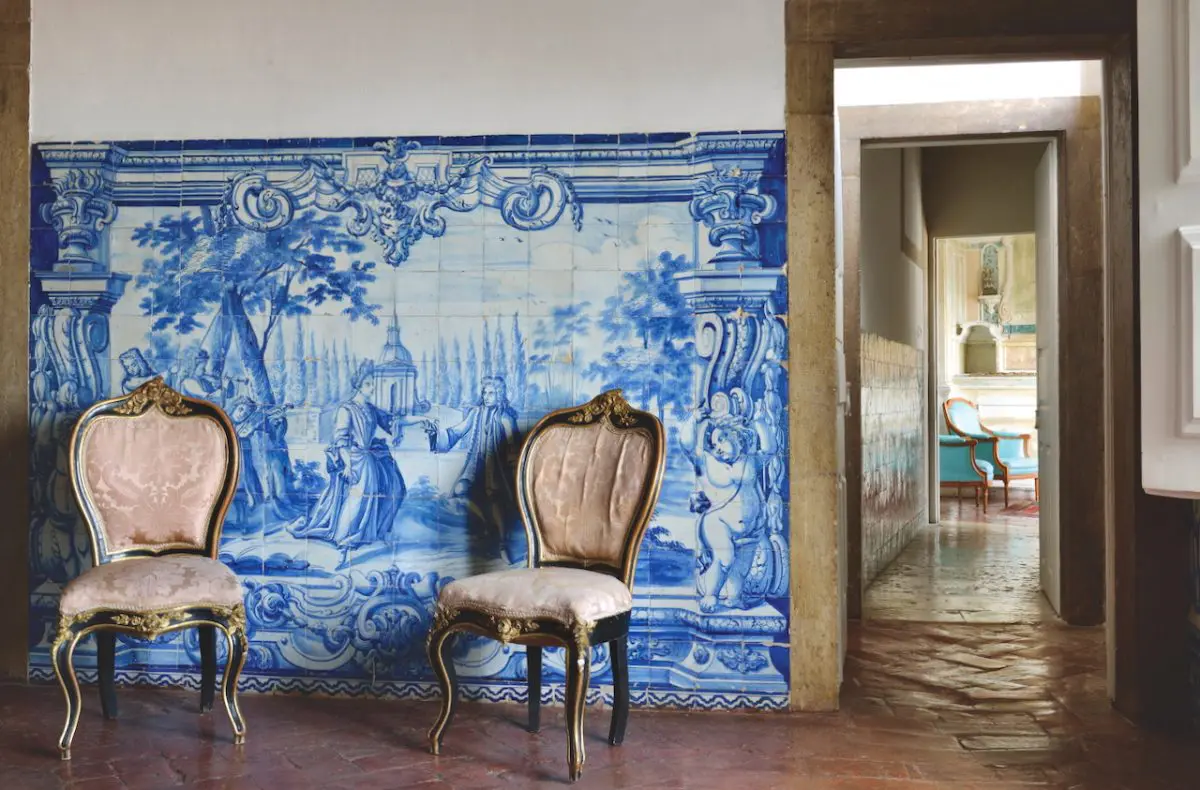
23 August 2026 — Many people travel to Lisbon for two things, azulejos, the painted tiles that cover half the city and fado, the song the city sings about itself. You see the first by day and hear the second at night.
If you appreciate azulejos, you might want to visit the Sant’Anna factory on Calçada da Boa Hora—located about half an hour from the city center — where tiles have been handmade since 1741 using virtually unchanged techniques. Clay is shaped in the original plaster molds and fired in a kiln, and artists hand-paint the finished pieces. A free, one-hour tour is offered once daily, and advance booking via email is required. You can purchase the factory’s products at their shop in the Chiado district, at Largo Barão Quintela. A single tile costs around twenty-five euros, while a decorative plate goes for one hundred and twenty—prices that speak volumes about the quality of the items you might have been offered elsewhere for three euros.
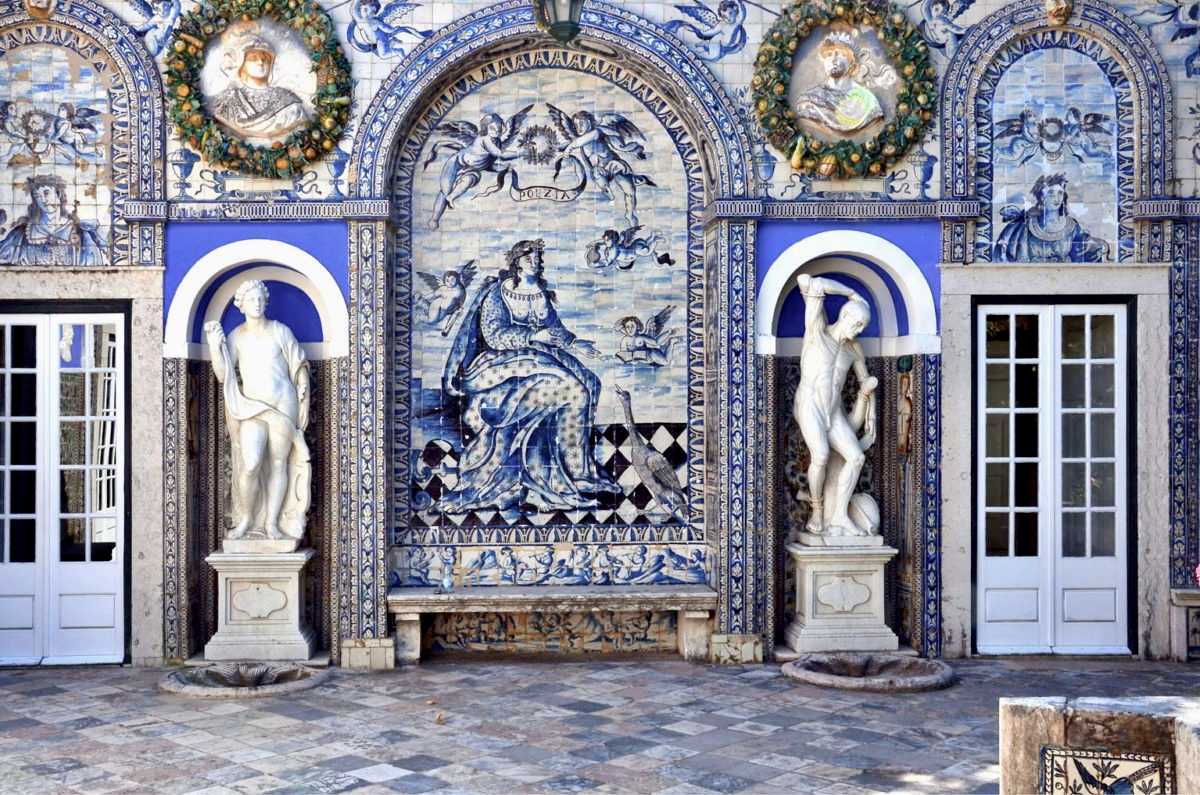
You can also visit LX Factory, a 19th-century industrial complex located beneath the bridge in the Alcântara district; it now houses independent shops, restaurants, and a bookstore set in a former printing plant. It has become a very popular spot, so it is best to visit on a weekday to avoid the crowds. Embaixada, located in the Príncipe Real district, is a Neo-Moorish palace from the 1870s where the rooms now host shops featuring Portuguese designers; it is well worth a visit for the architecture alone.
On Tuesdays and Saturdays, from 9:00 AM to 6:00 PM, the Feira da Ladra flea market takes place at Campo de Santa Clara, right next to the Pantheon. It is the city’s oldest market, though it is gradually being taken over by vendors selling new goods at flea-market prices. We therefore recommend arriving early and visiting the section where genuine antiques are sold. There, you can still find silverware, tiles salvaged from demolished buildings, and vintage Portuguese linen.
The experience of fado depends heavily on where you listen to it. Mesa de Frades is a tiny venue (seating about forty people) in the Alfama district, located on Rua dos Remédios. The space was once a chapel, so the walls are lined from floor to ceiling with 18th-century tiles. The singing begins around 9:30 PM; on Fridays and Saturdays, musicians who have already performed elsewhere in the city often drop by to keep singing “for the soul”. You will likely find the best fado in Lisbon here — worth a simple cuisine and a bill of 70 euros per person. If that puts you off, it is best to have dinner elsewhere beforehand. Sr. Vinho, located in the Lapa district (on Rua do Meio à Lapa), offers a completely different kind of evening. The establishment has been run by three generations of the same family since the 1970s. It features white tablecloths and solid cuisine (65 euros per person, excluding drinks), with three performers taking turns throughout the long evening. It is closed on Sundays. It is best to book a table in advance at both venues; for Mesa de Frades, specifically, you should ask for a spot during the late set.
Where to stay
Palácio Belmonte used to be our favorite, a small family-led castle in the middle of the old town. French businessman Frédéric Coustols bought a ruin on the castle wall in 1994, above Roman and Moorish foundations, and spent six years on it, the façades and roofs put back with traditional lime mortar and 3,800 broken tiles found in the rubble reassembled like a jigsaw into the 59 panels the Belmonte family had commissioned in the 1720s. He and his wife Maria lived in it, filled it with contemporary art, and let ten suites to whoever they judged would appreciate the place. There was no television. The red door is still there, but the hotel appears to have closed.
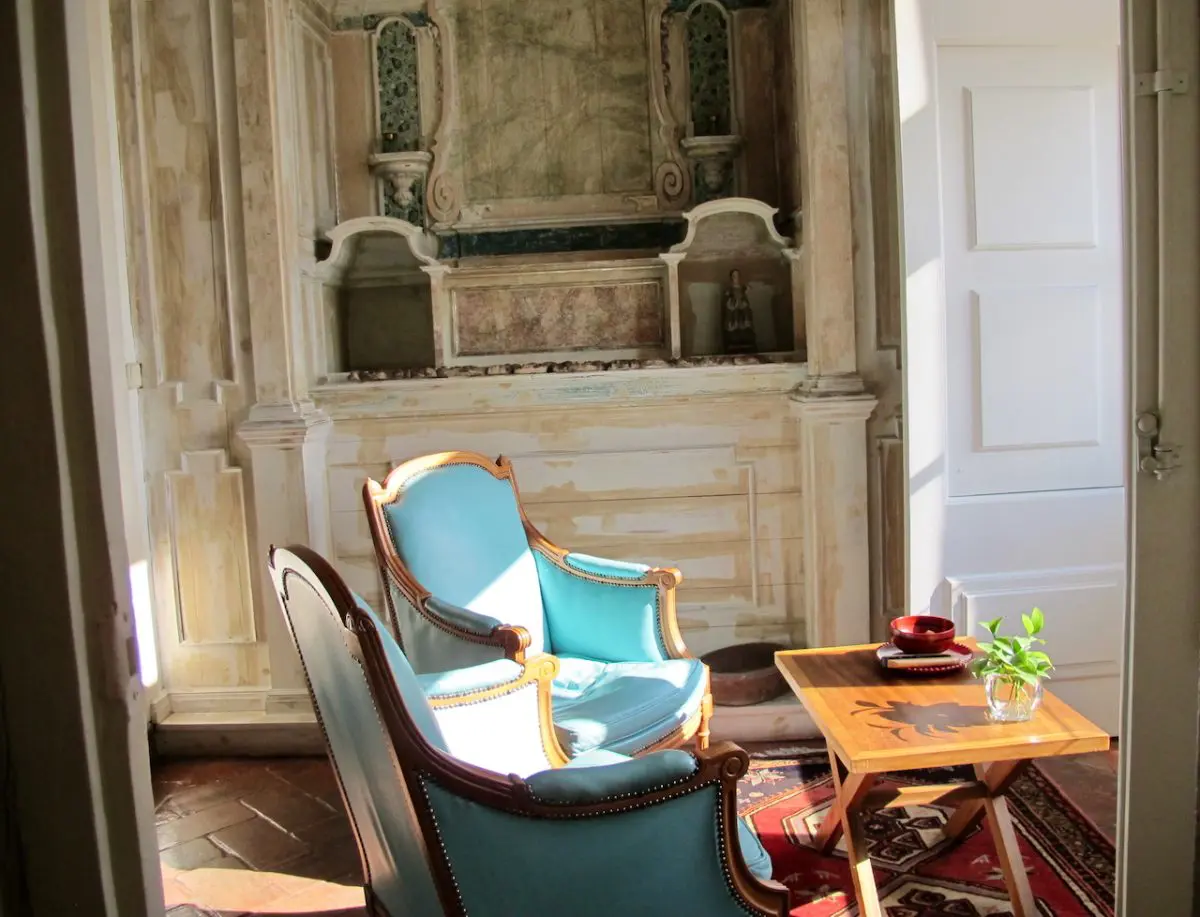
The closest equivalent is Santa Clara 1728, located in the Campo de Santa Clara square. It is an 18th-century mansion—restored by architect Manuel Aires Mateus—that remains the private residence of the owning family. The property features six suites finished in lime plaster, limestone, and oak, with floor-to-ceiling windows overlooking the Tagus River and the Church of São Vicente. Breakfast is served at a long communal table, and a flea market sets up right outside the entrance twice a week. With only six rooms available, advance booking is essential.
Another option is to stay within a museum itself. The MACAM hotel wing opened in November 2025. Sixty-four guest rooms share the palace space with the museum’s collection, meaning you step straight from your room into the world of art. The restored Verride Palácio Santa Catarina—situated on high ground overlooking the river, next to a “miradouro” (viewpoint)—offers nineteen rooms and represents a more traditional take on this same concept.
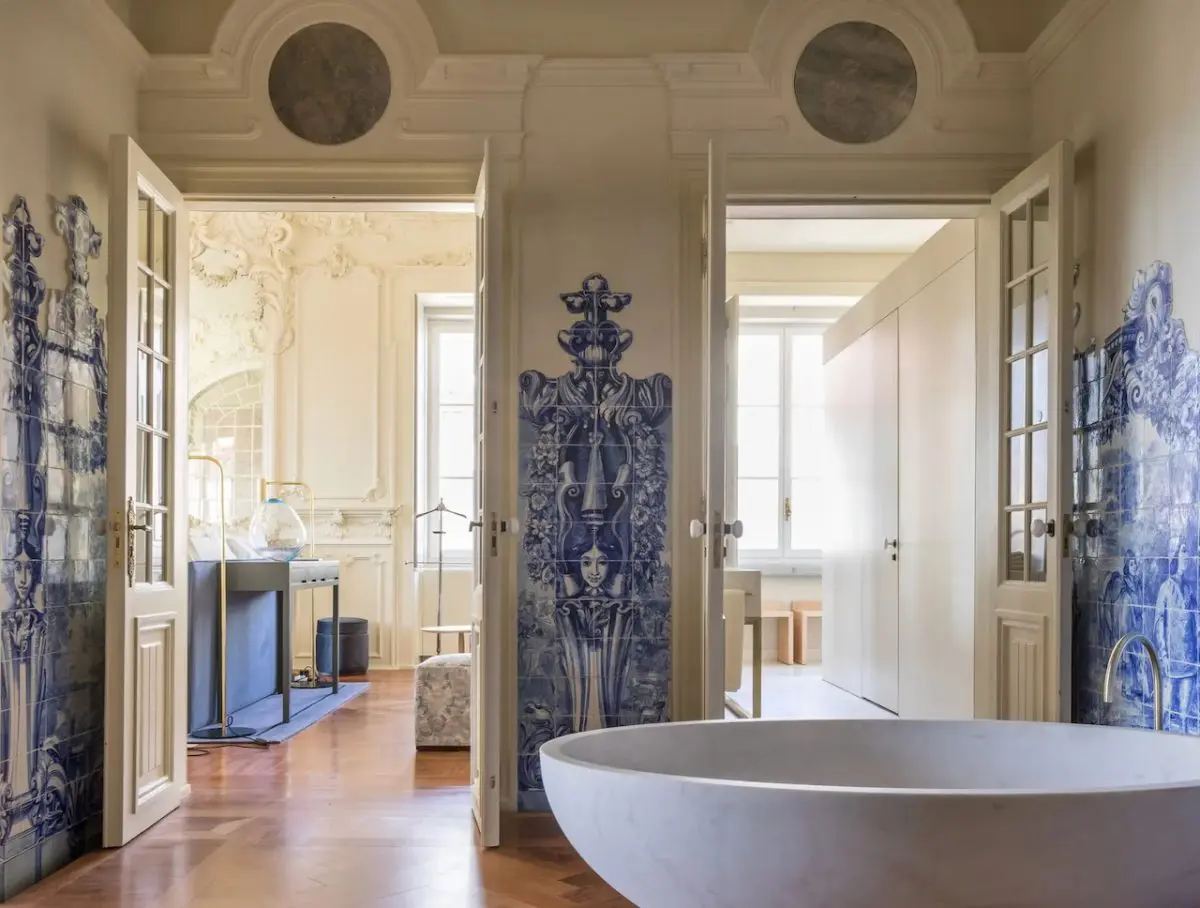
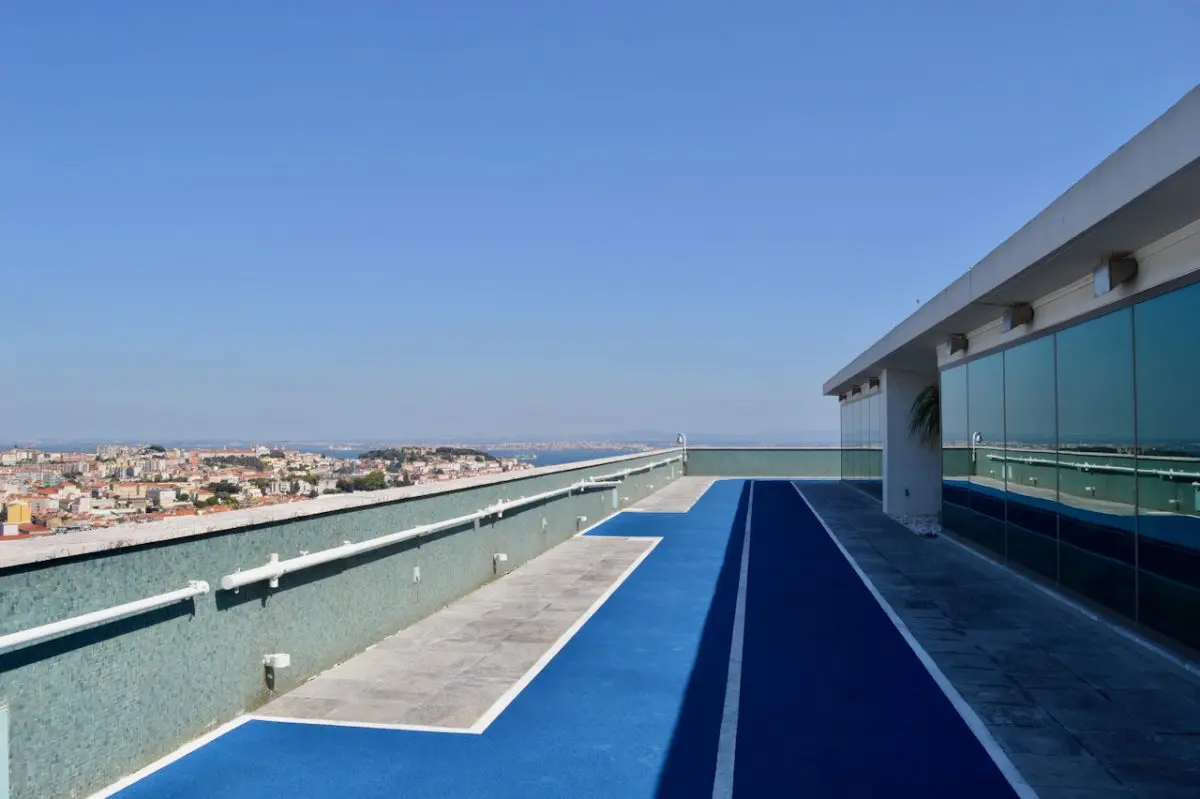
If you prefer spaciousness, choose the Four Seasons Ritz. Built in the 1950s at the behest of Salazar and with the backing of wealthy families, the hotel stands atop its own hill at the start of the Avenida da Liberdade. While monumental on the outside, the interiors feature Louis XVI and Art Deco styles. The rooms are spacious, and the terraces on the upper floors are so inviting you’ll never want to leave. The eleventh floor houses a gym and a 400-meter running track offering panoramic views of the entire city.
At the spa, be sure to try the “Portuguese Ritual”: a half-hour scrub using local oils followed by a one-hour massage. Varanda, a restaurant that once vied for a Michelin star, has now become a brunch spot helmed by Chef Carlos Cardoso, while fine dining is the domain of CURA. It opened in 2020 under Chef Pedro Pena Bastos and won a star within its first year. Rodolfo Lavrador has headed the kitchen since 2025 and has kept the star. Guests are offered a five- or ten-course menu. Sidecar motorcycle tours still operate here, so you will almost certainly find yourself appearing in other people’s photos.
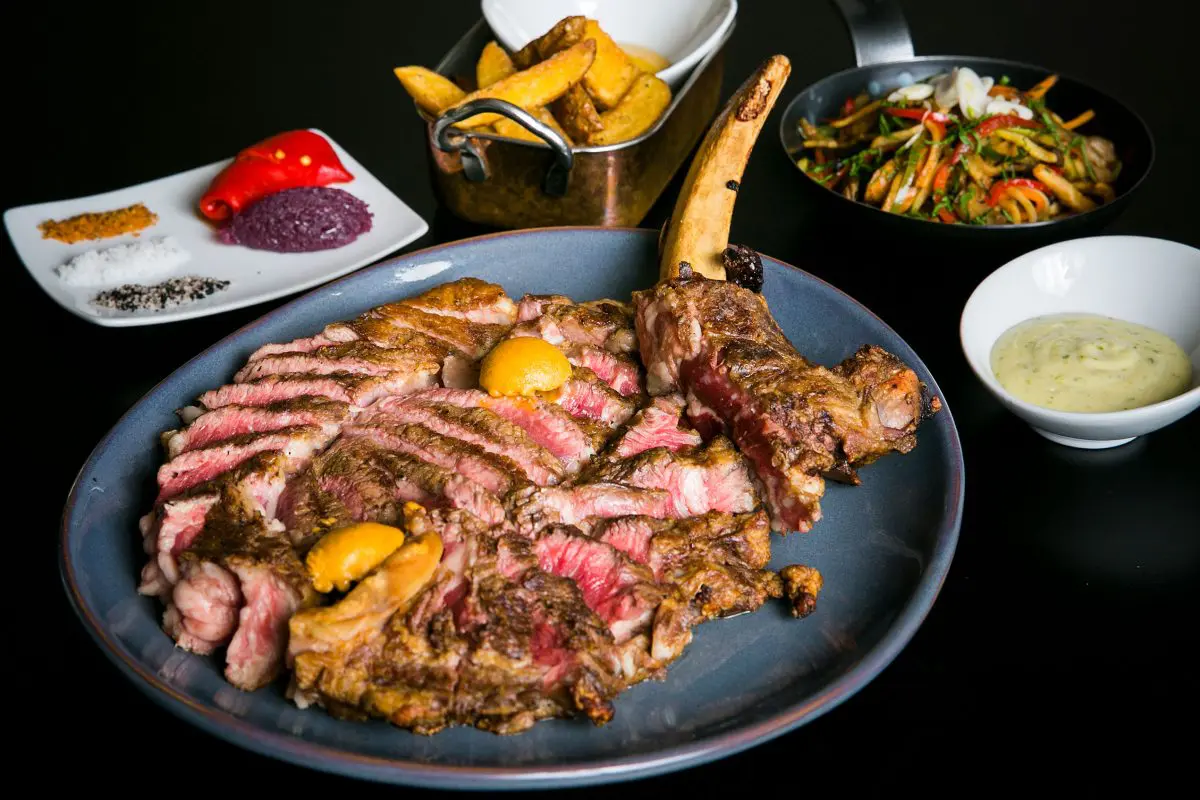
The Pousada de Lisboa in Praça do Comércio is a hotel housed in a former government ministry building. Politicians once held negotiations in the space that now serves as the Dom Pérignon Suite; the original wood paneling and library remain intact. The building features a grand staircase adorned with marble statues, a lounge displaying artifacts from the city museum, and a breakfast room with Gothic vaulted ceilings. The guest rooms are designed with a focus on functionality rather than opulence. Downstairs, in a hall featuring Catalan vaults, the RIB Beef & Wine restaurant serves steaks prepared in a dozen different ways.
Where to eat
The city boasts a wealth of fine-dining restaurants. Seventeen of them at the moment. For instance, Belcanto, on Rua Serpa Pinto, is José Avillez’s flagship which holds two stars, and it is where you go to eat the plates that made Portuguese cooking legible to the rest of the world. The signature is the Garden of the Goose that Laid the Golden Eggs (egg with crunchy bread and mushrooms), his most famous piece of work. There is a short modern à la carte as well as the single tasting menu, and a chef’s table in the kitchen itself.
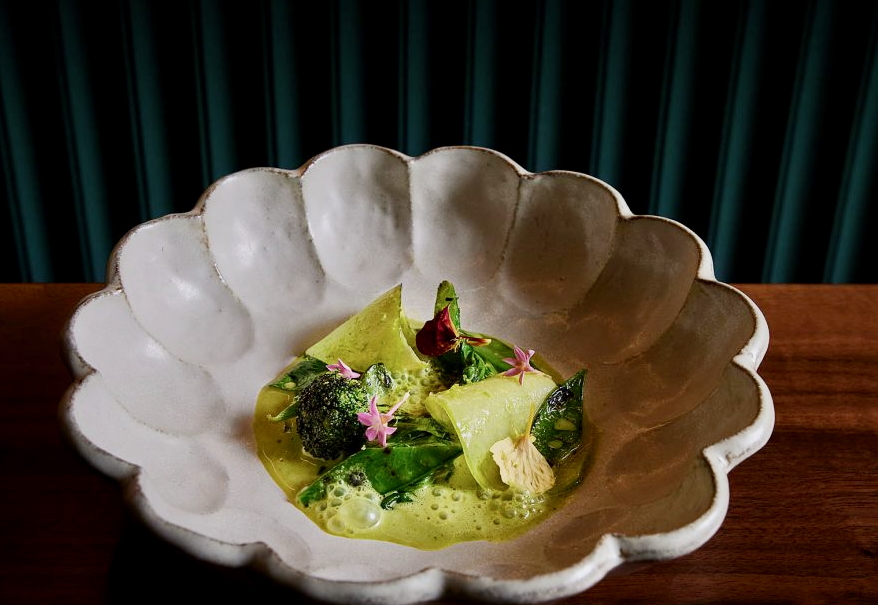
Another Avillez venture, Encanto in São Carlos Square, is entirely vegetarian. The twelve-course tasting menu costs around 155 euros and is paired exclusively with Portuguese wines—including some available nowhere else. It holds a Green Star alongside its Michelin one for the growers it works with, the resident chef is João Diogo Formiga da Silva, and the plate the inspectors singled out is mushrooms with leek in puff pastry.
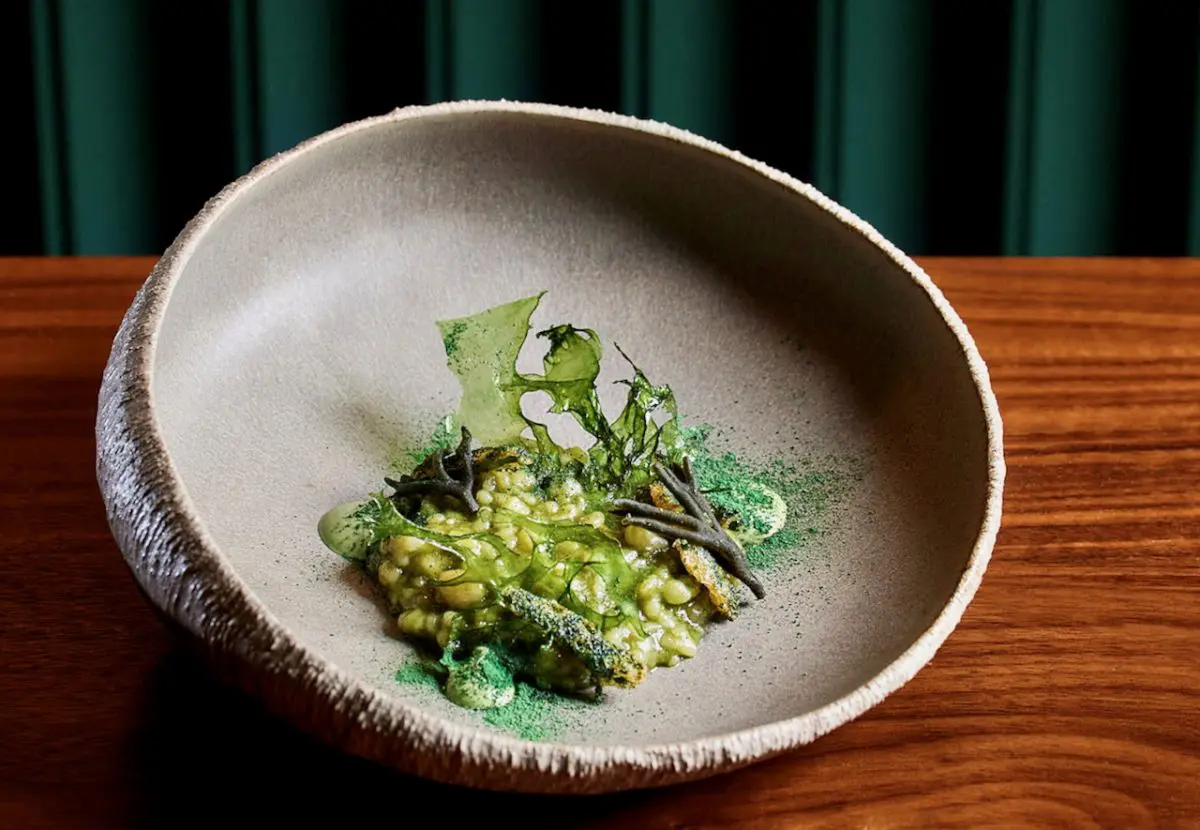
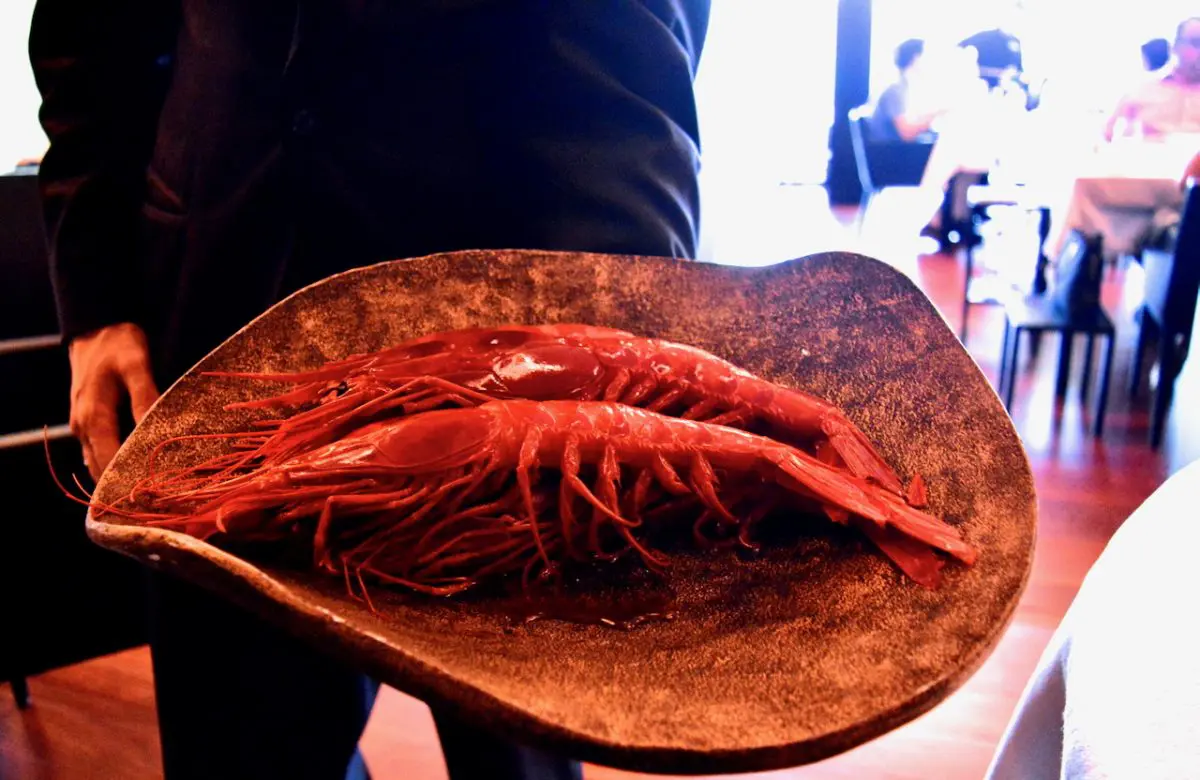
Henrique Sá Pessoa spent sixteen years at Alma in the Chiado and closed it at the end of 2025, reopening in February 2026 under his own name at the Páteo Bagatela on Rua Artilharia 1, with both stars intact. There are thirty seats in total. Ask for the Clássicos menu, wich gathers the dishes that made him, salt cod with black garlic and cabbage, presa à alentejana with pimentão and Bulhão Pato sauces, and rice pudding at the end. What’s new is a run of three snacks, caldeirada made with octopus, escabeche with lírio or açorda with carabineiro. The enu cost around 220 euros or 140 euros for the shorter Encontros.
Be sure to book a table at Sála on Rua dos Bacalhoeiros. It is currently one of Lisbon’s most acclaimed restaurants, offering impeccable yet unpretentious service. The kitchen is open to the entrance so you see the work on your way in, and João Sá himself moves between the tables explaining the plates, cooking that run the best Portuguese ingredients through a heavy Asian influence. Look for the couscous with lobster and codium. The restaurant is closed on Sundays and Mondays.
Feitoria, located in the Altis Belém Hotel overlooking the Tagus River, retains its Michelin star under the guidance of Chef André Cruz. The eight-course tasting menu is priced at approximately €180, and the restaurant is closed on Sundays and Mondays.
Beyond the Michelin-starred establishments, other spots deserve attention. One is Pradoon Travessa das Pedras Negras (near the 12th-century church situated below the cathedral), which offers a concise seasonal menu and a selection of natural wines. Booking ahead is recommended, though the waiting list tends to move quickly. Then there is Vida de Tasca on Rua Moniz Barreto. It exemplifies what happens when a professional chef takes over a traditional tavern without altering its character, perhaps just repainting the chairs, while introducing made-to-order croquettes and steak with fried eggs. Mercado da Ribeira remains a place where you can grab a quick, affordable meal by choosing dishes from the numerous stalls. It tends to get crowded, so it is best to arrive early.
What to buy
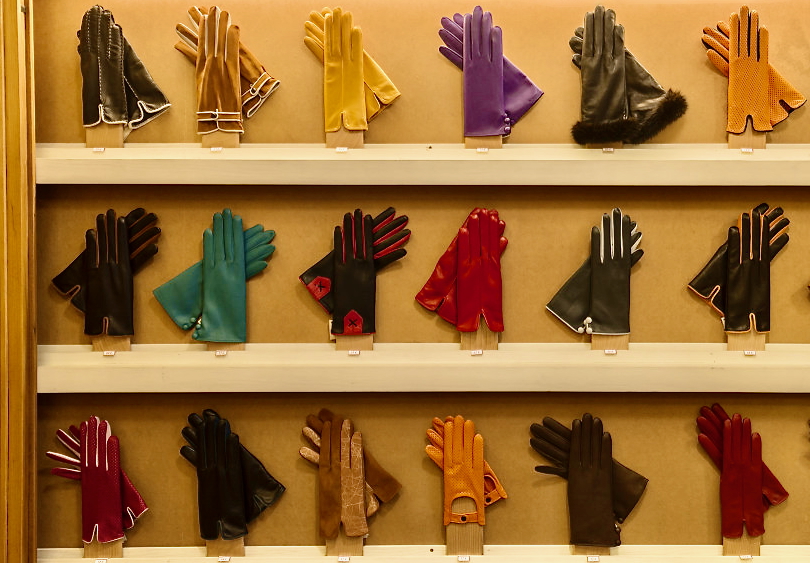
Textiles, ceramics and leather, chiefly. At Luvaria Ulisses on Rua do Carmo, in a shop roughly the size of a wardrobe, they will look at your hand and know your size, and fit you a pair of handmade leather gloves. The runs are small so they are often out of things, and it is not a purchase to attempt in a hurry. Closed Sundays.
Portuguese shoes mean two names: Luis Onofre, with the boutique on the Avenida da Liberdade, and the more reasonable but no less well made Eureka in the Chiado.
For hats visit Chapelaria Azevedo Rua on Praça Dom Pedro IV, run by several generations of the same family.
Sardines made this country famous, and on the same square you will find O Mundo Fantástico da Sardinha Portuguesa, where tins are stamped with your birth year and sold for anything from 8 to 50 euros. It is a splendid thing to walk through and it is no longer a discovery. If you want tins to eat rather than photograph, go instead to the Conserveira de Lisboa on Rua dos Bacalhoeiros, family-run since 1930, selling only its own brands, everything wrapped by hand at the counter, at a fraction of the price.
Few people know that green tea grows in Portugal, out on the Azores. It used to be bought at Casa Pereira on Rua Garrett, but that shop closed at the end of 2019 after the best part of a century. A Vida Portuguesa now stocks it, along with the sweets and the local chocolate.
For porcelain and ceramics, Vista Alegre on Largo do Chiado and Bordallo Pinheiro on Avenida Guerra Junqueiro, with the warning that both should ship for you, and that you should take the insurance.
Cutipol on Rua do Alecrim for the cutlery, which is expensive, unmistakable and worth it.
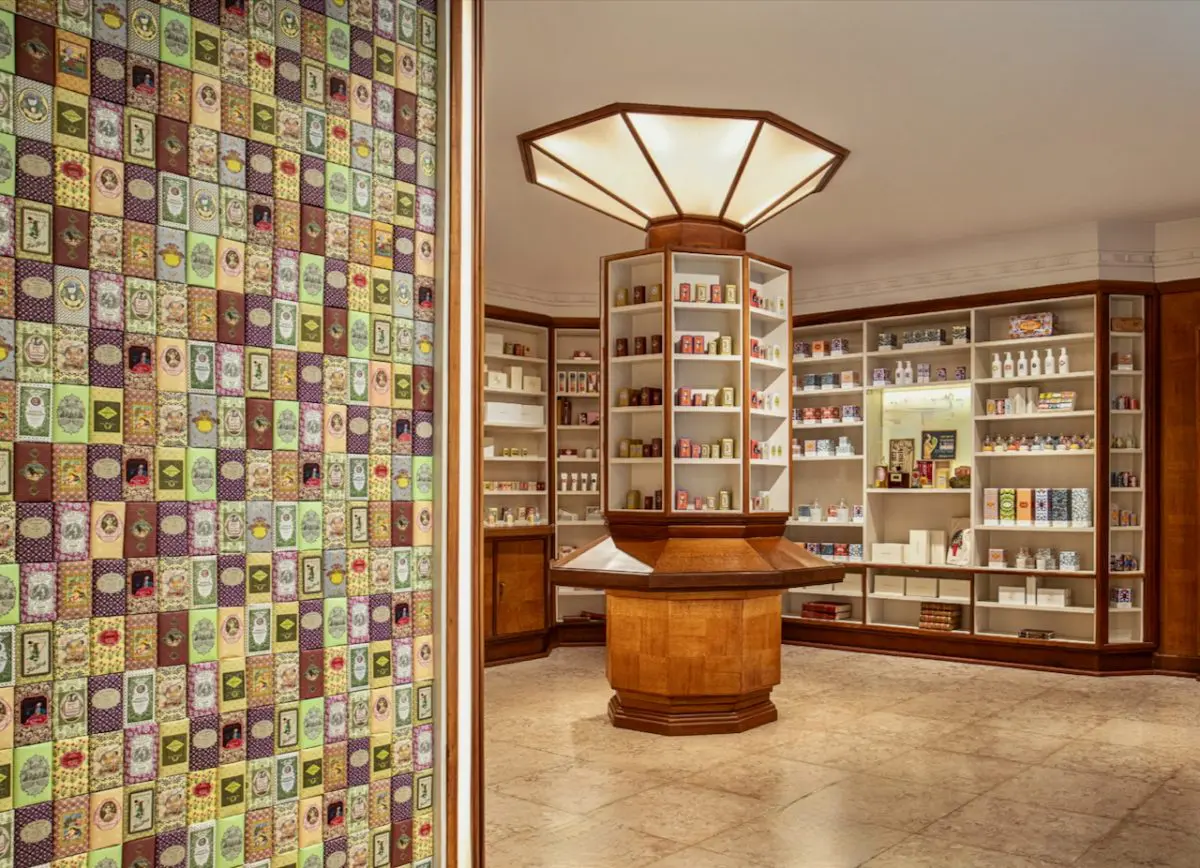
Claus Porto on Rua da Misericórdia has been making soap and cologne since 1887 in those nineteenth-century wrappers, and the flagship there is half a museum, with wet shaves at weekends. And A Vida Portuguesa on Rua Nova do Almada, with the larger branch up at Largo do Intendente, has the linen, the soap, the tinned fish, the stationery and most of the rest of it under one roof.
Kino & Kunst
Cinema, art, and culture, since 2012.