2 May 2026 — It has not been that long, but a new type of a tourist has already taken shape – a cinematic one. The kind who arrives in a city with scenes from the favorite films in mind rather than monuments. This also happened after Emily in Paris was streamed a few years ago. We decided to map out the most iconic places of Paris shown in the series for this walk.
Let us begin at Place de L’Estrapade, located in the Latin Quarter. This small and rather quiet square had the feeling of being overlooked even before the series. It sits just about five minutes from the Panthéon, but avoids the heavy flow of visitors. Many buildings in the vicinity date mostly from the 17th and 18th centuries, and Emily’s apartment is one of them. It is not a landmark in any official sense, just a typical residential building of the Left Bank with a pale façade, tall windows, and iron balconies. Very much Paris. That is precisely why it works. It looks like somewhere someone might actually live. Emily’s favorite bakery’s real name is Boulangerie Moderne.
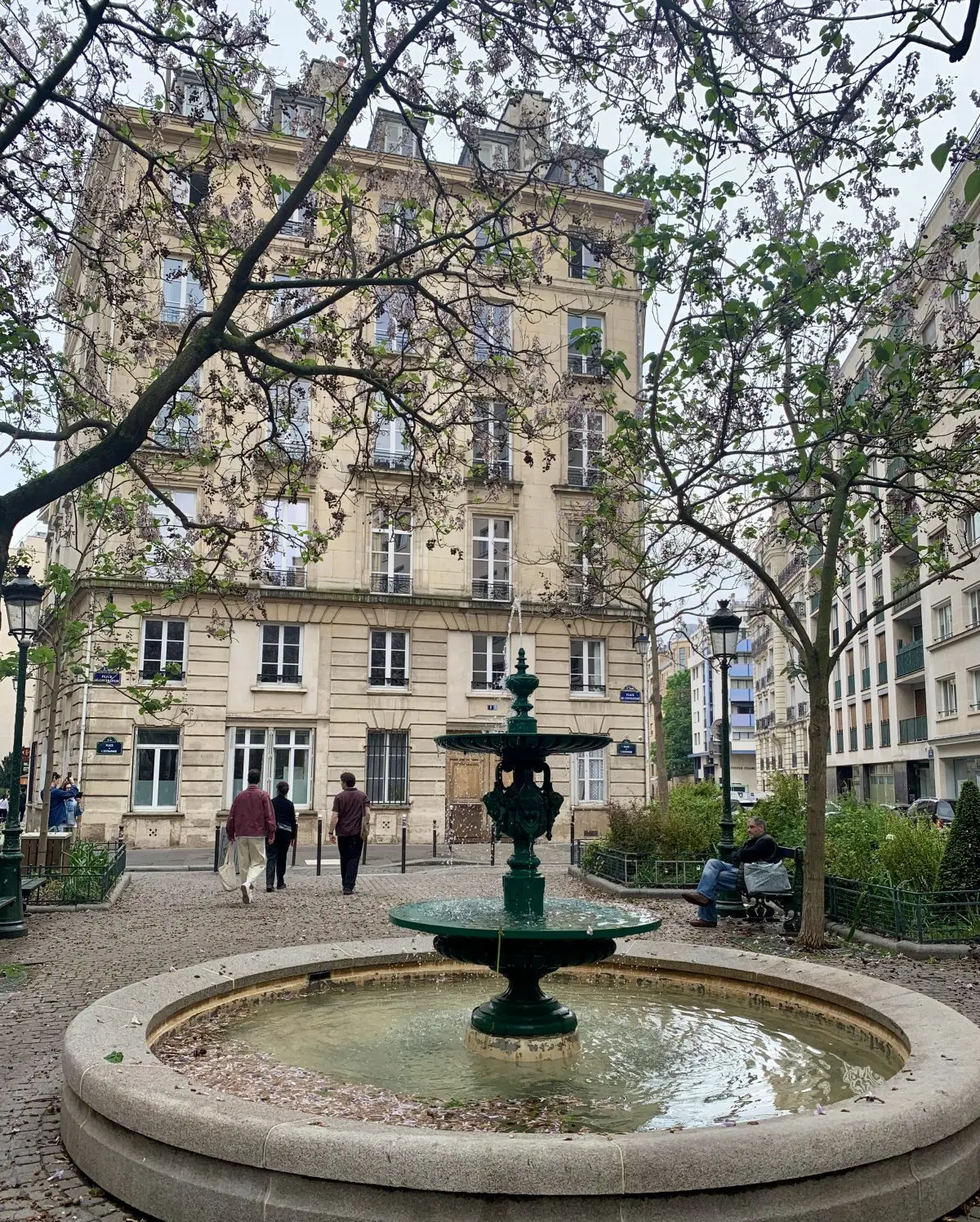
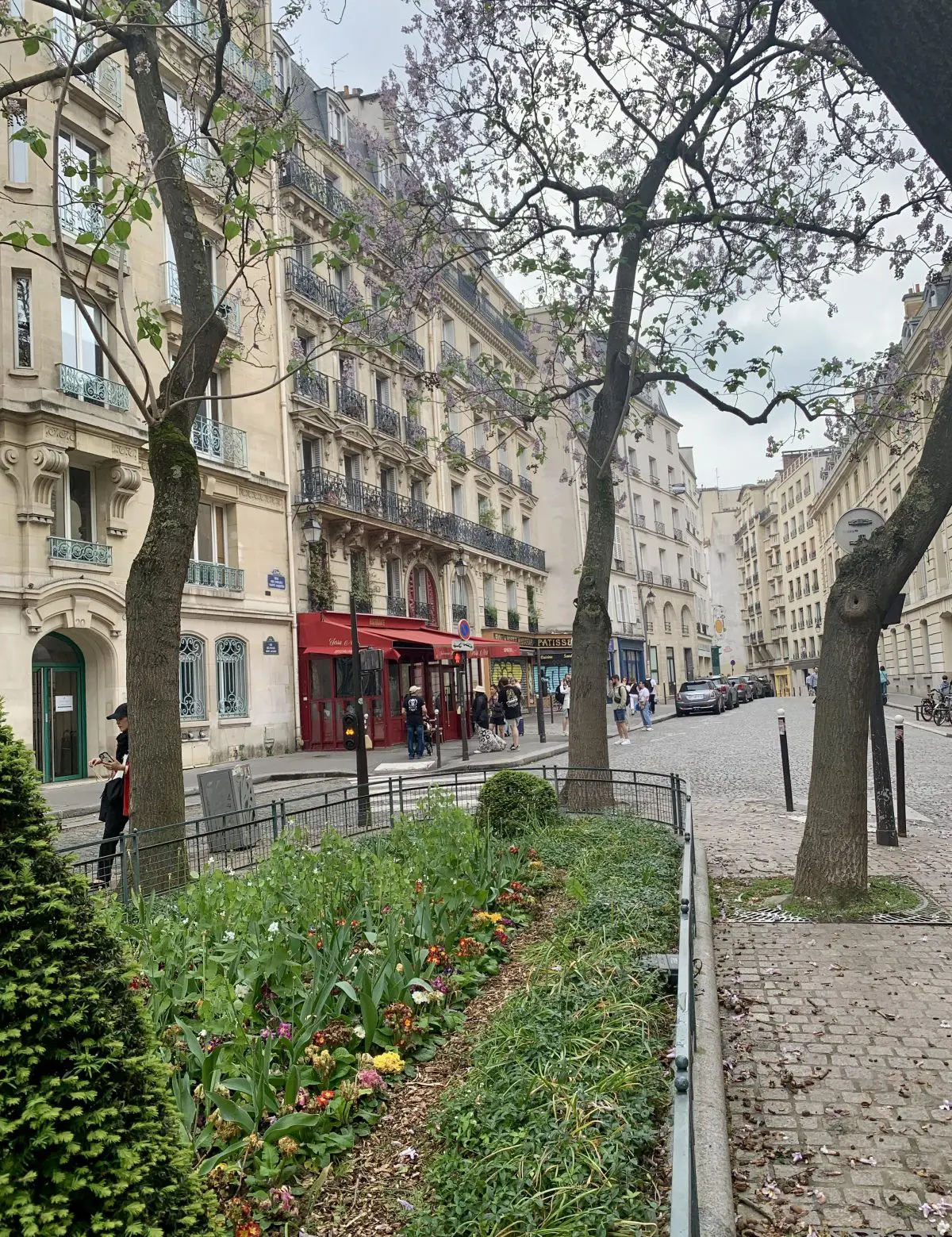
Right across the square is Gabriel’s restaurant that goes through a few identity changes with the latest name L’Esprit de Gigi after grandmother of the Michelin-aspiring chef. The restaurant features refined French cuisine with Norman influences, such as tripe with apple cider. The real restaurant’s name is Terra Nera, an intimate Italian bistro serving pasta and traditional Italian dishes at 16 Rue des Fossés Saint-Jacques.
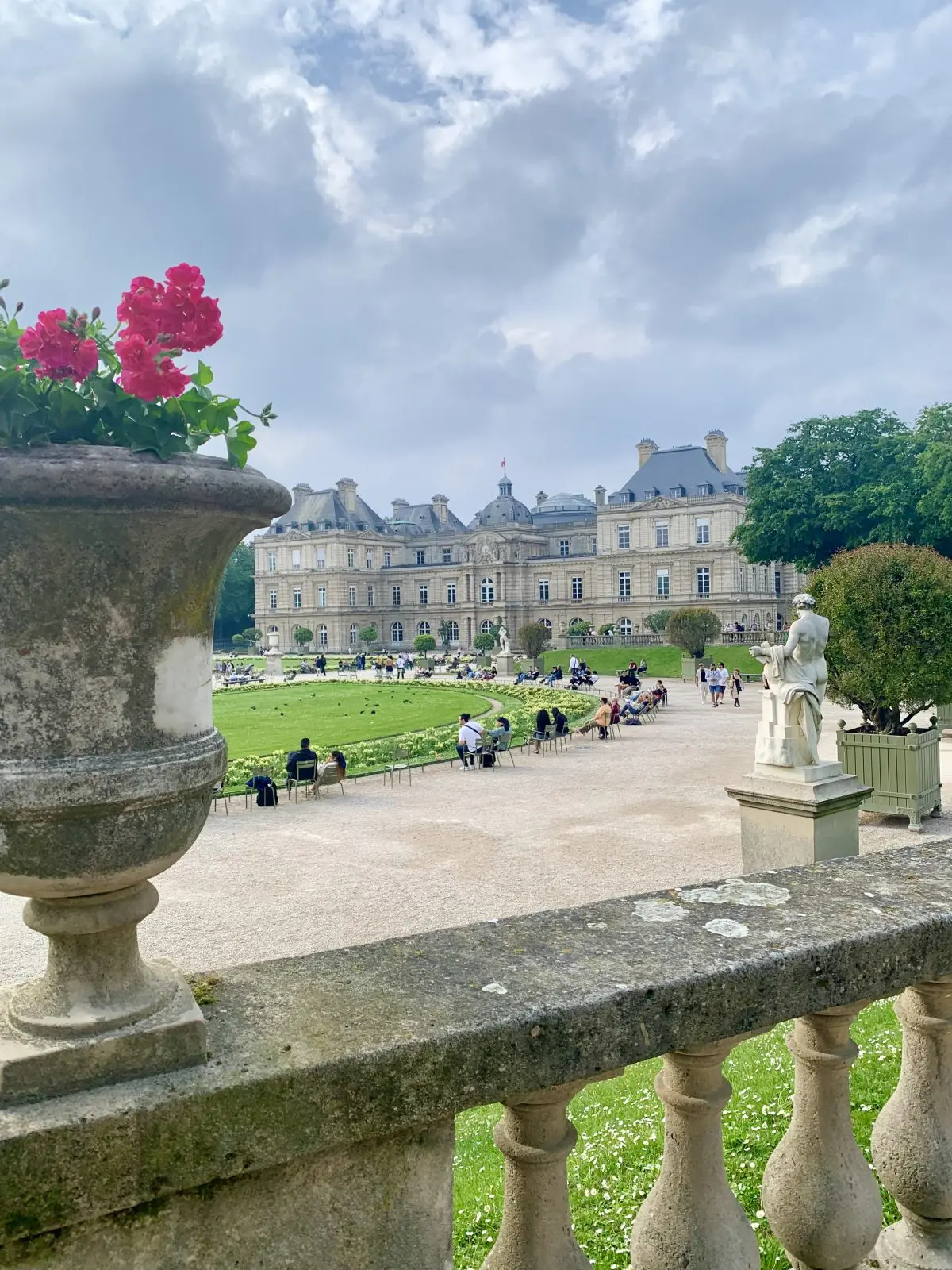
From here, the Jardin du Luxembourg is only a short walk away. The park dates back to 1612, when it was commissioned by Marie de Medici as part of the Luxembourg Palace. Over time, it became one of the central public spaces of the Left Bank. Today it is used in a very practical way: people jog, read, meet friends, or simply sit for long periods without doing much at all. Though Emily is shown running somewhere else, along the Seine River.
We can imagine following Emily walking daily from the Left to the Right Bank of the Seine to her agency which promotes luxury brands. Crossing the Seine changes the atmosphere quite noticeably. The Left Bank has long been associated with universities, writers, artists, so-called la bohème and a certain intellectual looseness. The Right Bank, in contrast, developed around commerce and wealth. Even today, it feels more structured and more polished.
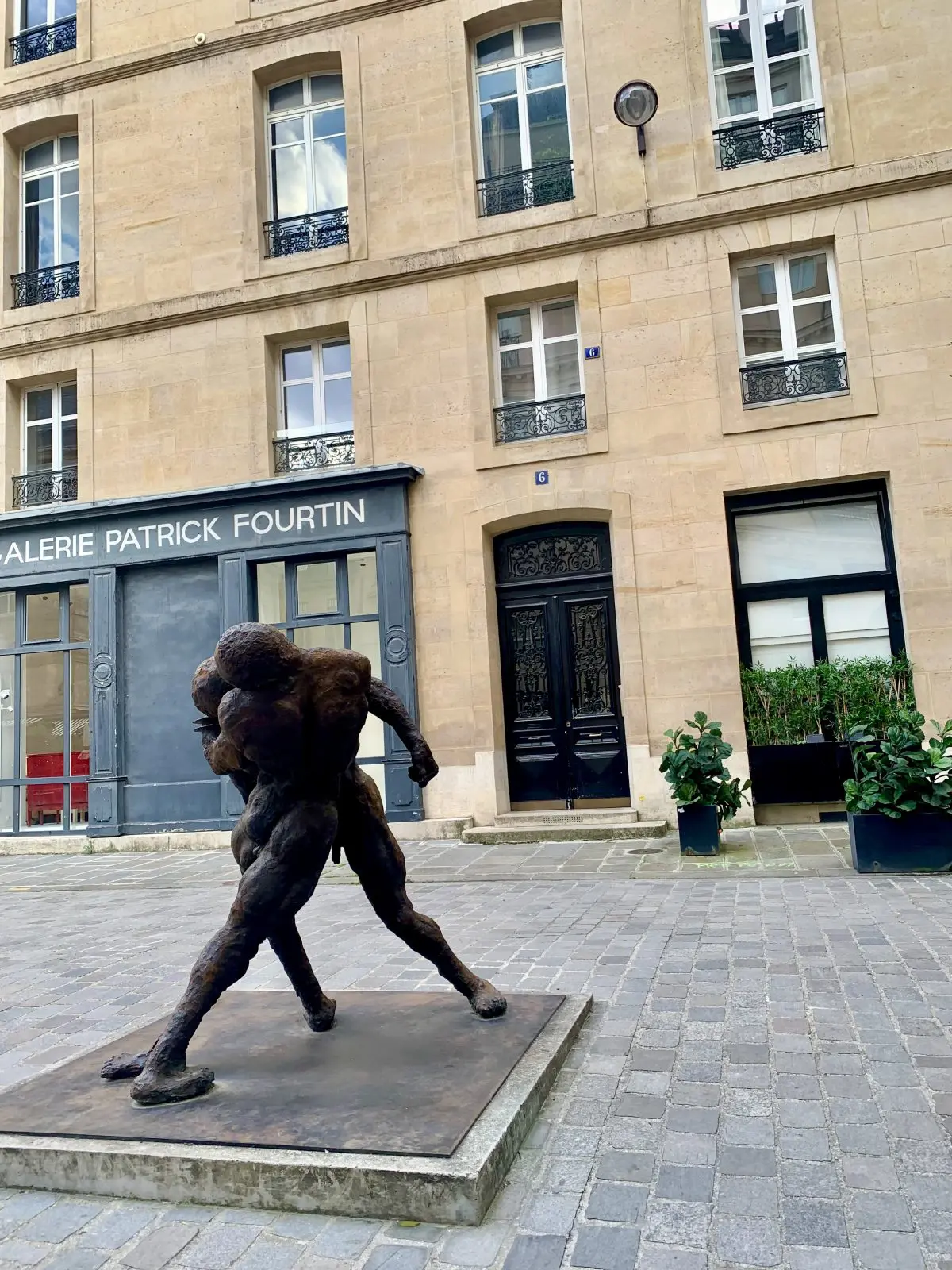
Emily’s office, the Agency Savoir (later Agence Grateau), is located near Place de Valois. Galerie Patrick Fourtin, which specializes in 20th-century decorative arts and furniture, is a real place situated by the entrance of the agency. However, we only see the front door of the house in Emily in Paris; the interiors of the agency are filmed elsewhere. The square near the agency is smaller than it appears on screen. Across from the agency is a quiet garden area that connects to the Palais Royal. A short walk takes you into the Palais Royal gardens themselves, where Emily meets her best friend Mindy Chen in one of the early episodes. Here you find the Colonnes de Buren. The installation was created in 1986 and has since become part of everyday Paris. People sit on the columns, take photos, or simply pass through. It is not treated as anything special by locals, which is exactly what makes it feel real.
Fashion becomes unavoidable at this point in the walk. Nearby, you will find a concentration of designer boutiques, especially as you move toward Rue Saint-Honoré. The street has a long history that goes back to the Middle Ages, when it was one of the main routes leading west out of Paris. Over time, especially from the 18th century onward, it developed into an address associated with power and proximity to the royal court, not least because of its closeness to the Palais Royal and the Tuileries. From the late 20th century and particularly since the 1990s, major fashion houses began consolidating their presence here. Today, names such as Dior and Saint Laurent define this part of the city. The boutiques are carefully constructed spaces where architecture, lighting, and display are designed to communicate a brand identity. The style through the whole series might seem exaggerated elsewhere but feels entirely consistent here.
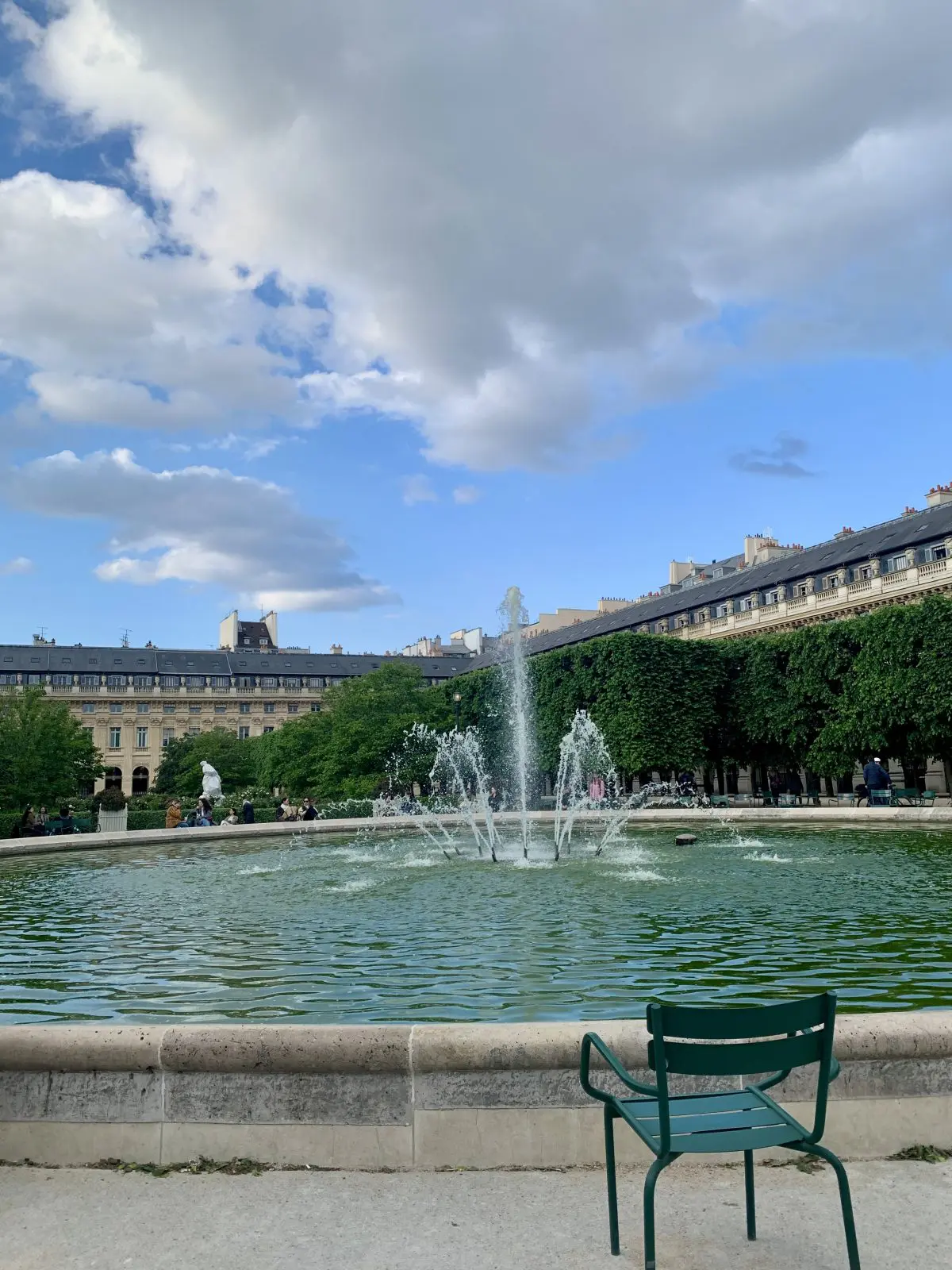
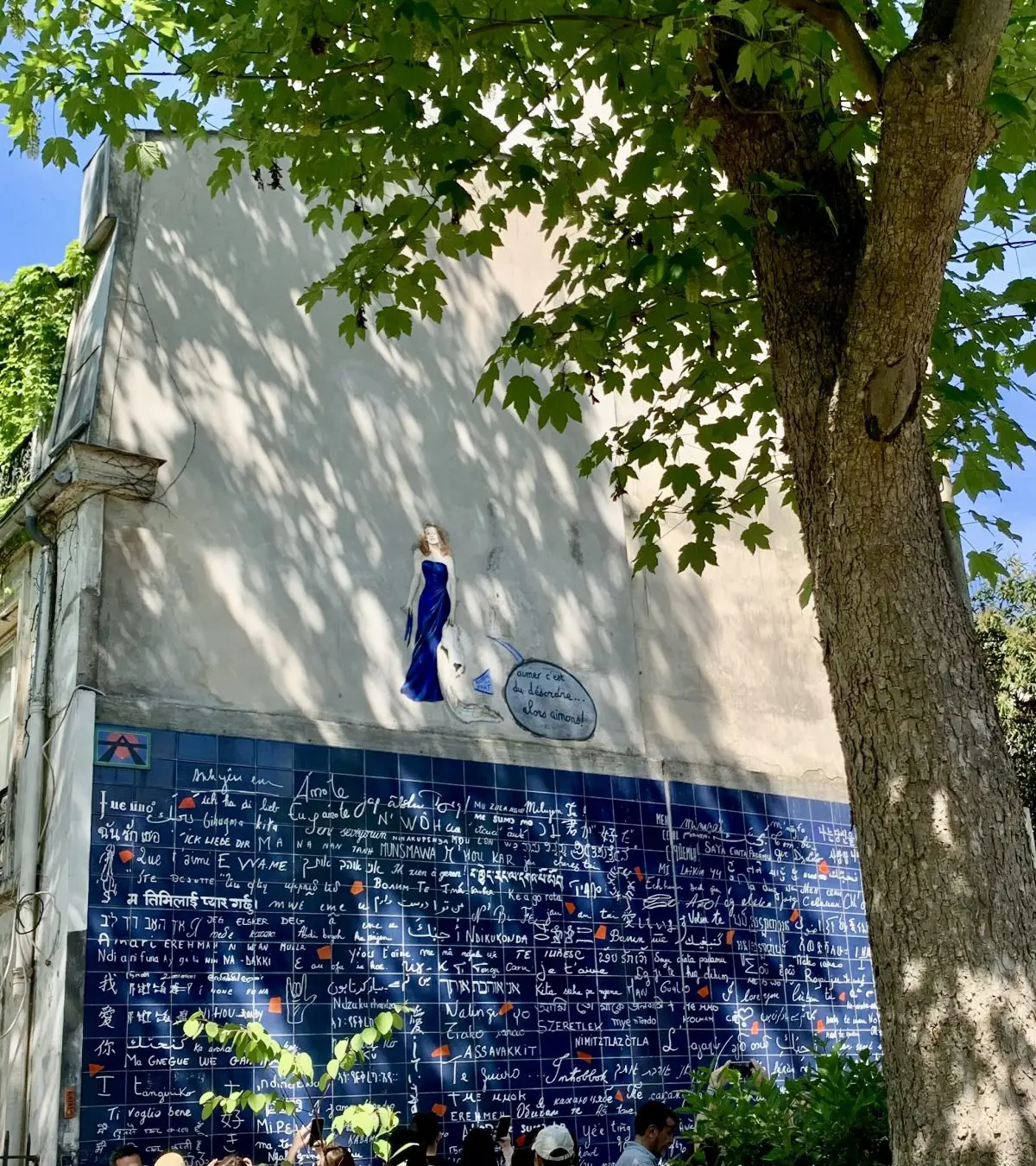
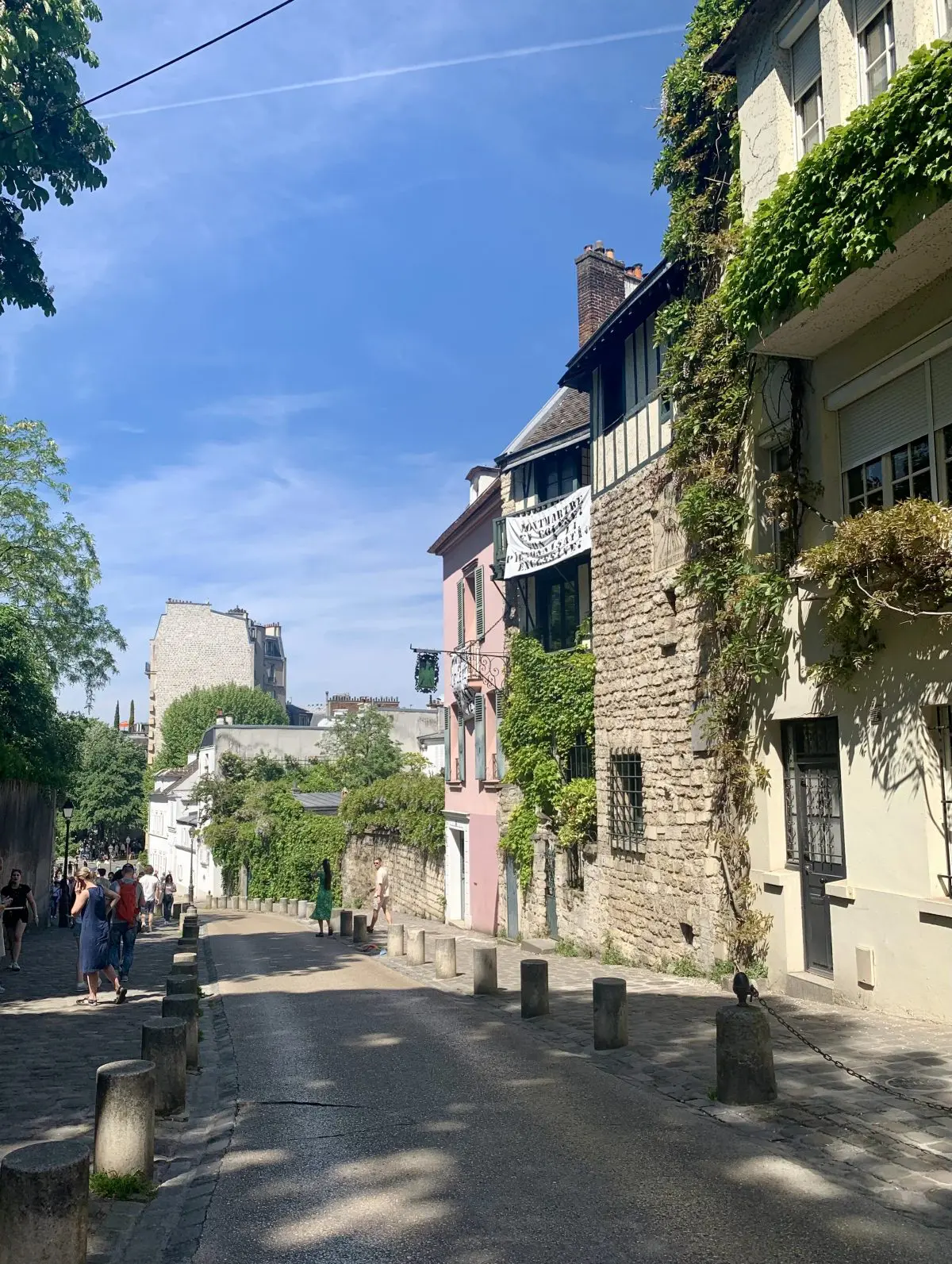
From here, we are heading toward Montmartre. Historically, this was a separate village until it was absorbed into Paris in the 19th century. It became known for its artistic community, attracting figures like Pablo Picasso and Henri de Toulouse-Lautrec. That identity still shapes the area. Several scenes from Emily in Paris were filmed here. One of the most recognizable spots is the Le Mur des Je t’aime, where “I love you” is written in more than 250 languages. It was created in 2000 by artists Frédéric Baron and Claire Kito. The streets leading up are narrow and busy, filled with small shops and cafés. Moving further uphill, the paths become narrower and more irregular. Rue de l’Abreuvoir is often described as one of the most picturesque streets in Paris. It appears briefly in the series during one of Emily’s early marketing campaigns. Here we will find La Maison Rose at 2 Rue de l’Abreuvoir. This small pink café dates back to the early 20th century and has long been associated with the artistic history of the neighborhood. It is used as the setting for a dinner between Emily and Mindy.
At the top of the hill, Place de Tertre serves as the central square of old Montmartre. It has been associated with artists for over a century, although today many of the painters work primarily for tourists. Even so, it gives a sense of how the area functioned historically as a place where artists gathered and worked in public view. A short walk away is Place Dalida, named after the Italian-born French singer. The square includes a bust of the singer and offers a quieter, more scenic viewpoint. In the series, it is used for a more personal scene, when Emily breaks up with her boyfriend from Chicago.
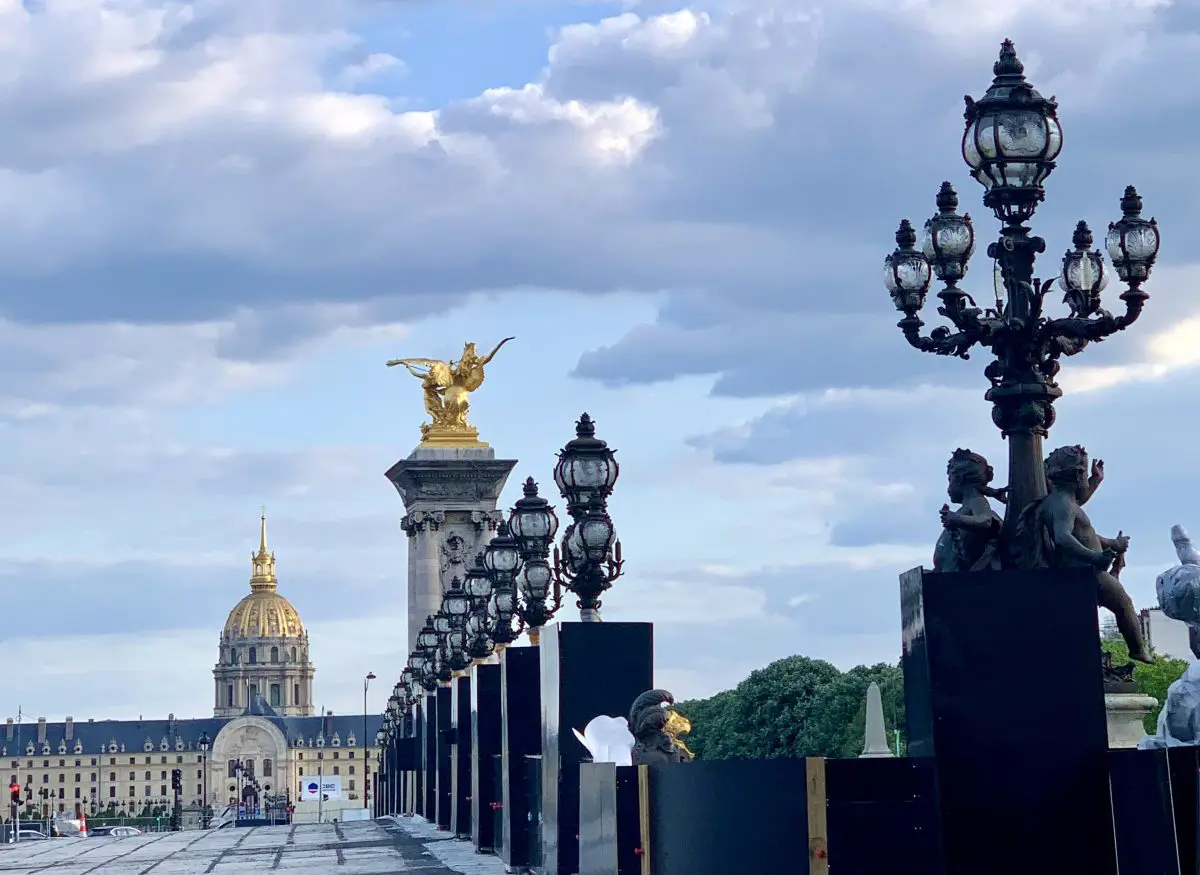
Near the basilica itself, there are also scenes involving Emily and Mindy taking photos, including the moment with balloons for social media. This area is always busy with a mix of tourists, street performers, and vendors. In the evening, we return toward the Seine where people gather along the embankments, especially on the Right Bank. They sit in groups, talk, drink, and stay for hours.
Kino & Kunst
Cinema, art, and culture, since 2012.