Series have become a big part of our lives. We consume, mimic and discuss widely the newly seen production, with friends or on social media. In our busy lives, with long working hours, distanced families, constant rushing, and endless information to digest, we surf the comfortable waves entertainment offers without pausing to think whether it is really worth our time. Long-running series replace us families or friends, providing virtual companionship over time. They press loneliness, providing virtual companionship over time. They address loneliness, loss, and emotional unsettlement with long-term connection, but sometimes, like in the case of The White Lotus, they just entertain: visually pleasing, but ultimately empty.
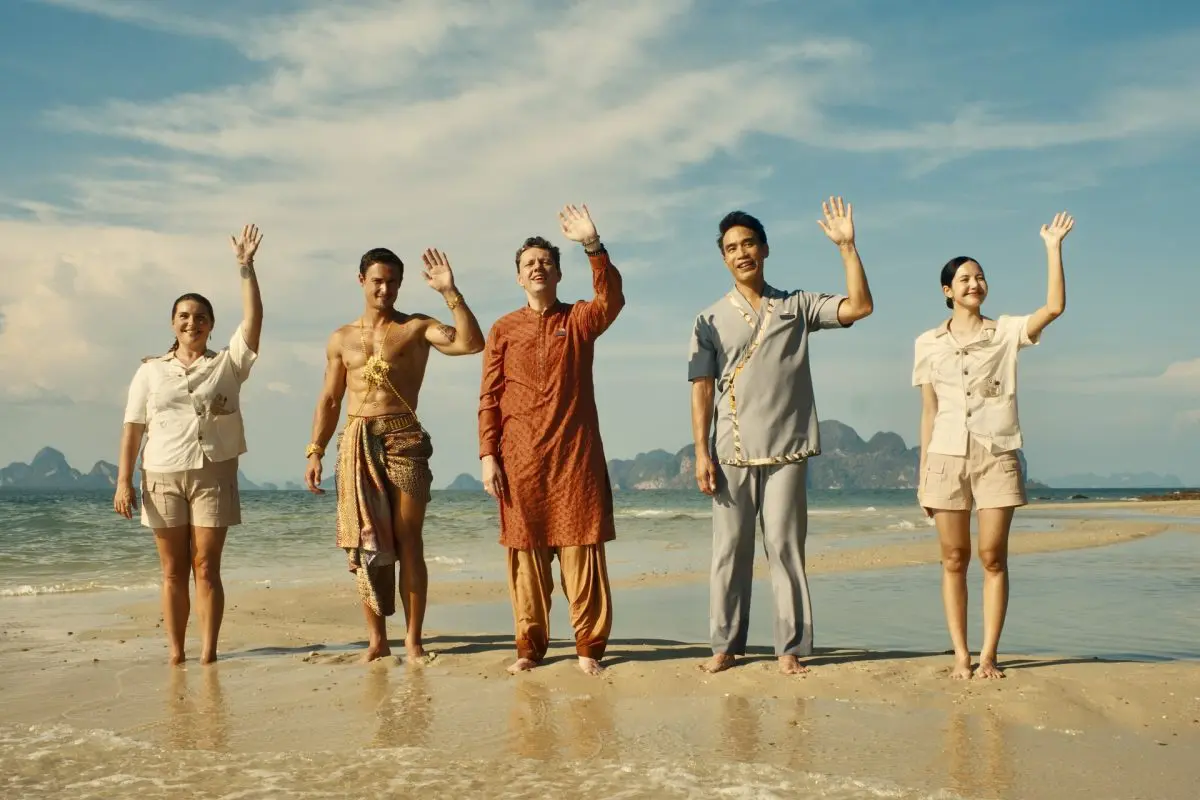
Early 2025 saw the third season of The White Lotus, filmed in Thailand (Koh Samui and Bangkok among other locations), continuing the series’ formula of wealth, satire on ‘reach and beautiful’ with repeated character archetypes.
Filming Locations & Series Releases
Season 1 (2021): Maui, Hawaii
Season 2 (2022): Taormina, Sicily
Season 3 (2025): Koh Samui & Bangkok Thailand
Production & Budget
Season 1: ~ $4 million per episode & Season 3: ~ $7 million per episode
The series is created by independent filmmaker Mike White, California-native, who is known for low-budget productions, like black comedies such as Chuck & Buck (2000) and later for HBO-series like Enlightened (2011). During COVID (precisely in July 2020), HBO approached the filmmaker and asked him to make series that could be produced in a contained bubble, possible filming amidst pandemic restrictions. The show revolves around wealthy guests and the staff who attend them, exploring how privilege and desire collide in luxury settings. The high-end resorts act as a microcosm of social inequality, a confined setting where rich and poor, powerful and subordinate, interact under constant observation.
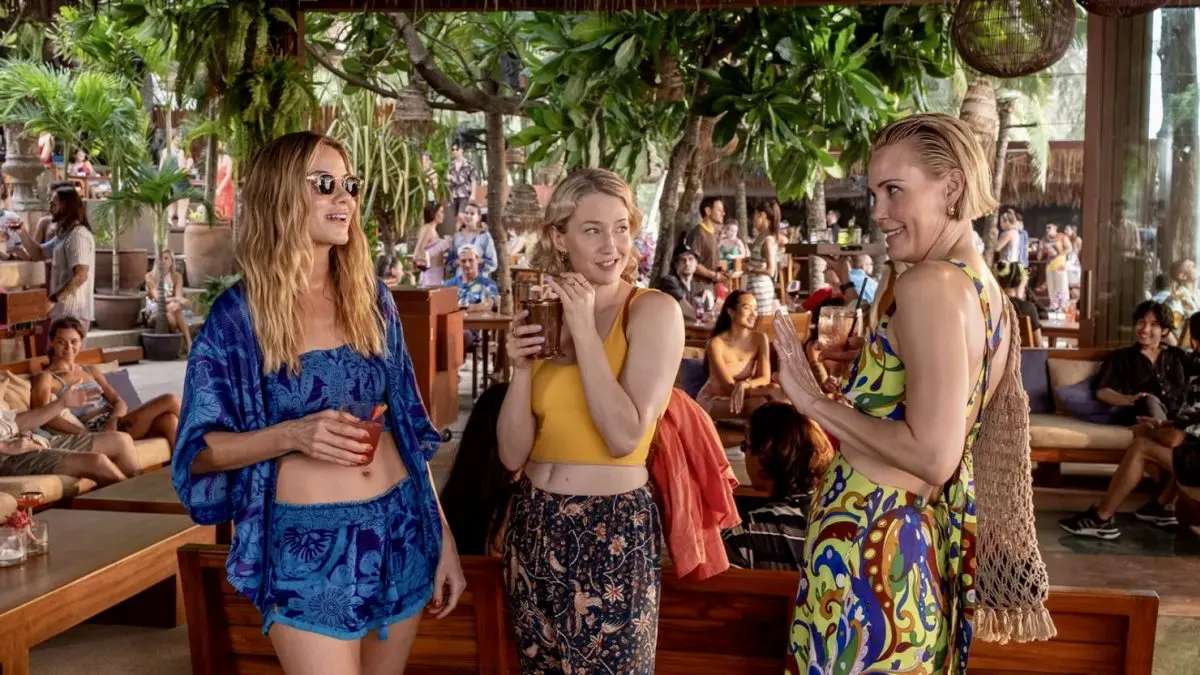
Photo: HBO / MAX
At first glance, the series appears to follow a classical narrative structure. Characters arrive at the resort, life unfolds with conflicts both grand and small — rich versus poor, sexual tension, subtle power games. Each season includes crimes, usually murder, that provide dramatic peaks and attract viewers’ attention. Yet these climaxes resolve nothing. By the end, the story has not moved forward. The protagonists remain locked in their behavioral patterns, repeating the same mistakes and typologies. There is no growth, no insight, no resolution beyond superficial events.
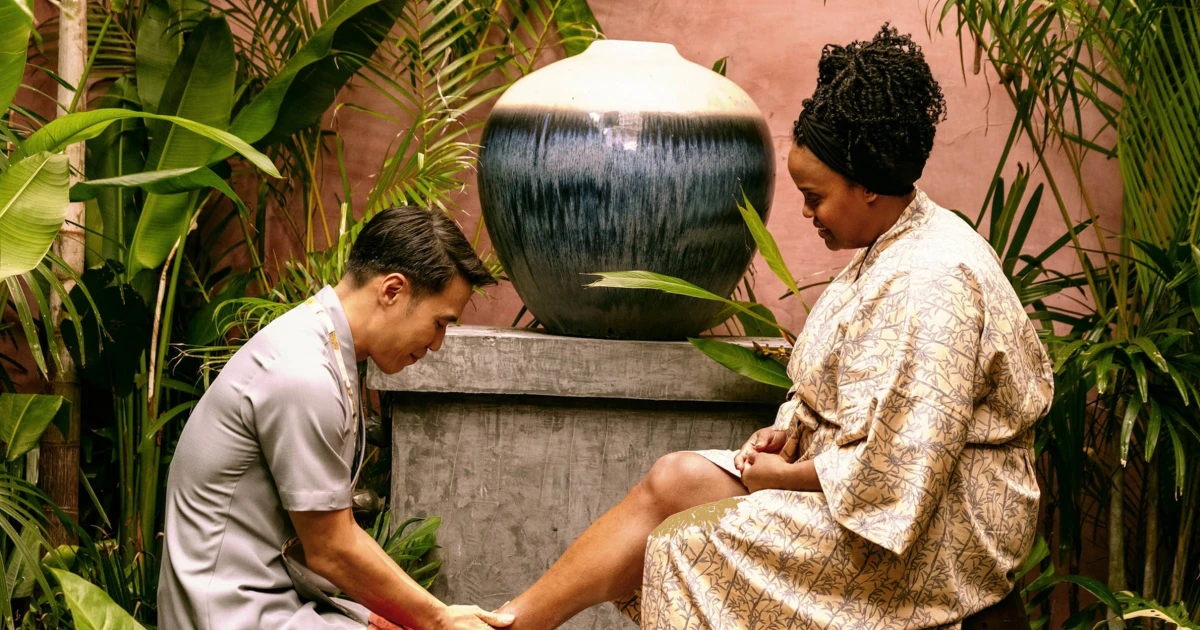
Characters are nothing else but prototypes, repeated across seasons: dysfunctional rich families, emotionally absent fathers, insecure mothers, generational conflicts, unhappy wealthy couples, grieving widows, young with old for money, loan seekers, pseudospiritual souls, depressed adults, staff healers. They reflect and mirror each other across time and place. Few of them are taken from one season to another, for example Belinda Lindsey played by Natasha Rothwell. In Season 1, she is a staff healer in Maui, Hawaii, helping wealthy Tanya with emotional issues and hoping for her to invest in her spa business. Tanya never invests. In Season 3, Belinda reappears in Thailand. She becomes involved with a staff member, Poshy, who offers her to open a spa together. While in Thailand, she recognizes former Tanya’s husband, who killed his wife (in Season 2) and moved to Thailand with a young lover. She blackmails him and receives $5 million to open her spa. Ironically, her final interactions with her Thai colleague mirror the conversation she had with Tanya in Season 1, only now she occupies Tanya’s position.
Of course, we get it, the series is mastered as a satire of society and its narrative ambitions differ from classical cinema conventions that typically are resolved with character growth and moral insights. The White Lotus offers neither. Everyone is ugly, cynical, selfish. It feels like the message we are getting out of the project is this — the world is fundamentally broken, learn to live with it. There is no hope, even if some viewers try to find small traces of humanity in one or another character. By giving up we realize: the series begins in moral emptiness and ends in even deeper emptiness, circling its characters without producing insight, redemption, or transformation.
The impact of the series remains largely superficial. While other films and series might provoke discussion about morality, values, or human possibilities, The White Lotus offers simply leisurely killing the time, ironic comments about social behavior, fashion, and luxury travel insights on social platforms. After the premiere of the Season 3, for example, some Thai publications reported that internet searches for Koh Samui surged 88 percent, and hotel bookings rose 44 percent. It’s true, the series offers entertainment, however in sake of entertainment only. It fills time but does not reflect or inspire. The pleasure is temporary.
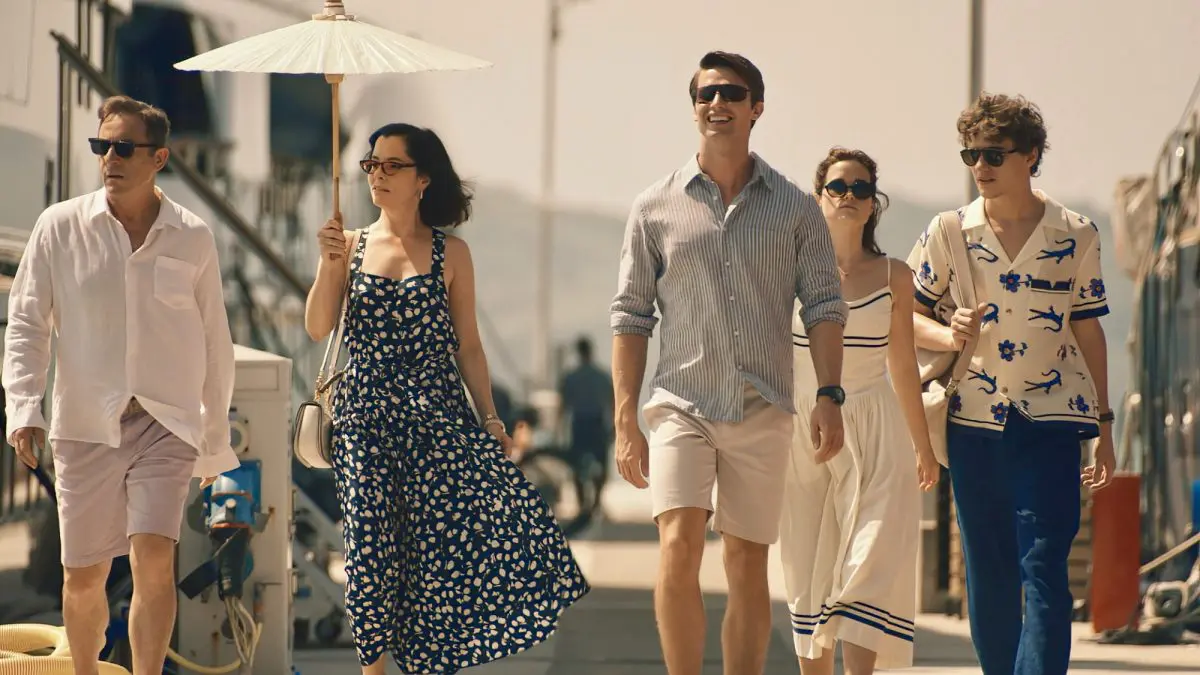
The next season is planned to be films in France, including the French Riviera, with release scheduled for late 2026 or 2027. If past patterns continue, viewers probably expect to see the same formula: luxury lifestyle, social satire, repetition, and ultimately, narrative emptiness.
Entertaining, visually pleasing, ironic — The White Lotus is junk food for the mind, and nothing for the spirit.